
North Africa Powers Tourism Growth as Cultural Resources Score Soars 18% in 2026 TTDI

Published
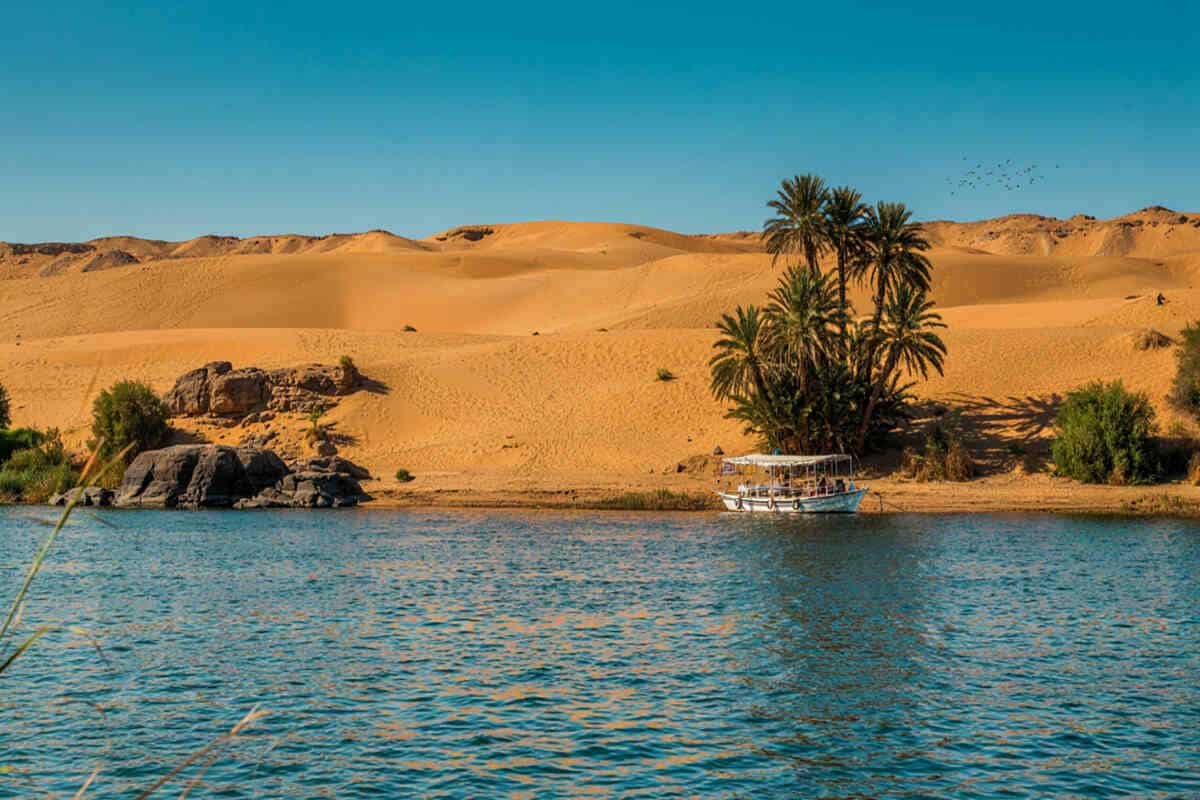
North Africa’s tourism gains momentum as its cultural resources score surges 18% in the 2026 index. North Africa is gaining ground on tourism globally as its Cultural Resources score has risen by 18% in the 2026 index compared to the 2024 figure. The change is the second-biggest among all the world’s subregions, pointing to the appeal of its cultural resources and attractions. The Travel & Tourism Development Index (TTDI) 2026 reveals that advances in digital readiness and connectivity, as well as improved infrastructure and overall development, are also attracting to other parts of Africa, creating new opportunities for the region. Nonetheless, the increased development scores do not always translate into higher visitor numbers and economic prosperity for local communities due to a mix of affordability challenges, labor shortages and uneven investments.
North Africa’s Cultural Tourism Performance Takes Centre Stage
North Africa’s 18% increase in Cultural Resources placed it behind only South-East Asia, which recorded a 26.5% rise. The comparison underlines how cultural attractions are becoming an increasingly important part of tourism competitiveness.
Advertisement
Advertisement
Across the world, travellers are showing greater interest in heritage sites, museums, festivals and local experiences. Online searches relating to cultural and entertainment attractions increased by approximately 15% during the period assessed.
The Cultural Resources pillar was the fastest-improving category in the index, advancing 9.6% globally. More than 95% of the 110 economies assessed registered gains. This widespread progress suggests that destinations are placing greater value on cultural assets as they compete for international attention.
Advertisement
Advertisement
Travel & Tourism Development Index (TTDI) 2026 Reveals Broad-Based Progress
Overall, 101 of the 110 economies assessed improved their index scores between 2024 and 2026. The global average rose 2.1%, representing the fastest pace of improvement since 2019.
The Middle East and North Africa region posted a 2.5% increase in its overall score. Improvements in cultural resources, tourism services and infrastructure, and the sustainability of tourism demand helped support that performance.
Advertisement
Advertisement
These results offer an encouraging picture of destination development. They measure improvements in conditions that support tourism, rather than providing a direct count of visitors arriving in individual African countries.
Digital Readiness Opens Doors for African Tourism Businesses
Technology is becoming increasingly important to the tourism experience. Globally, ICT Readiness improved 3.2% between 2024 and 2026, while emerging and developing economies recorded a stronger 4.9% increase. Advanced economies achieved a comparatively modest 1.6% rise.
The index examines internet use, broadband connectivity, mobile network coverage, digital payment availability and electricity reliability. Each factor can affect a traveller’s ability to research destinations, book accommodation, arrange activities and make payments.
For smaller African tourism operators, better digital access could improve online visibility and connect businesses with customers beyond established visitor markets. Governments are also prioritising the sector: travel and tourism spending as a share of total public expenditure has risen 7.6% since 2019.
Airports and Visitor Infrastructure Record Major Improvements
Physical connectivity is another area of progress. The global Tourism Services and Infrastructure pillar increased 9.2% between 2024 and 2026, while Air Transport Infrastructure improved 7.2%. More than 90% of assessed economies made gains in both categories.
Available airline seat capacity, measured through domestic and international seat kilometres, rose 18.7%. Airport connectivity increased 8.5%, highlighting improvements in the networks that support access to destinations.
Advertisement
Advertisement
For African tourism markets, stronger air links and more dependable visitor facilities can make it easier to attract international travellers. However, the index identifies continuing shortfalls in air transport, health and hygiene, general tourism infrastructure and resources for business and other non-leisure travel.
Natural Attractions Offer Wider Economic Opportunities
Africa’s landscapes and wildlife remain valuable tourism assets. Globally, the Natural Resources pillar improved 4.1%, with 96% of assessed economies recording higher scores.
Nature-based tourism offers a route to spreading visitor activity beyond major cities and established resorts. Rural communities, local guides, accommodation providers and smaller enterprises may benefit when destinations develop responsible tourism services and accessible transport links.
Southern, Eastern and Western Africa also achieved relatively strong scores for tourism’s socioeconomic impact. These results reflect the importance of the sector to employment and wider economic activity, although benefits vary between destinations and communities.
Record Travel Demand Raises the Stakes for Tourism Growth
International tourist arrivals reached an estimated 1.52 billion in 2025, an increase of 5% over 2024 and 4.4% above 2019 levels. The wider travel and tourism sector contributed US$11.6 trillion to the global economy that year and supported 366 million jobs worldwide.
Such figures demonstrate the scale of the opportunity, but they describe the global market rather than Africa alone. Stronger destination scores may help African countries compete for visitors, yet improvements in travel conditions must be matched by investment and effective management.
Advertisement
Advertisement
Affordability and Local Benefits Remain Critical Challenges
Travel became less affordable in three out of four economies assessed, while tourism investment failed to keep pace with demand in several markets. Workforce pressures also threaten the ability of destinations to deliver reliable services and quality employment.
For North Africa and the wider continent, the priority is to convert competitive advantages into lasting gains. Investment in transport, internet access, visitor facilities and professional skills can strengthen the industry. Equally important is ensuring that increased visitor spending reaches local businesses and communities.
North Africa’s tourism sector is set to benefit as the sub-region’s Cultural Resources index increases by 18% in the 2026 Global Index, reflecting enhanced cultural appeal, improved digital connectivity, and expanded tourism infrastructure developments.
The index therefore presents both an opportunity and a warning: cultural and natural resources are improving Africa’s tourism prospects, but inclusive, sustainable growth will depend on the systems built around them.
Advertisement
