

Florida Together With Alabama and Mississippi Travel Brace for Dangerous Hurricane Isaias Landfall

Published
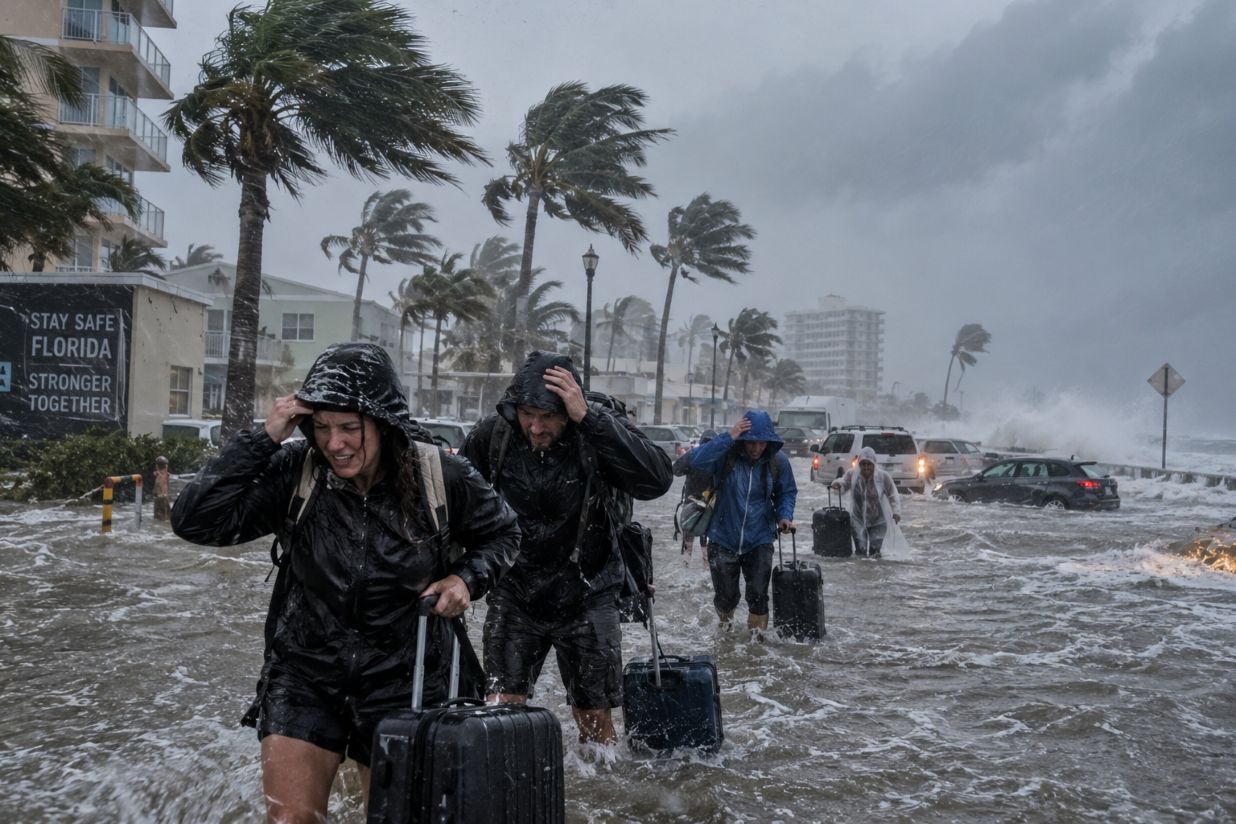
Florida, Alabama, Mississippi and Louisiana are confronting an increasingly serious travel emergency as Hurricane Isaias advances towards the northern United States Gulf Coast. The Category 2 storm intensified to sustained winds of 100 mph on 8 October, prompting evacuation instructions, emergency declarations and preparations for airport closures. Coastal holiday destinations, including Pensacola, Gulf Shores, Orange Beach and Biloxi, face the possibility of damaging winds, dangerous storm surge and widespread flooding. With landfall forecast for late Friday or early Saturday, travellers are being urged to reconsider journeys into vulnerable areas. The immediate priority is following official warnings and securing safe accommodation or evacuation arrangements.
Hurricane Isaias Intensifies Into Category 2 Storm Ahead of Gulf Coast Landfall
Hurricane Isaias strengthened significantly over the Gulf of Mexico on Thursday, 8 October 2026.
Advertisement
Advertisement
According to the National Hurricane Center’s 4 p.m. Central Daylight Time advisory, the hurricane had maximum sustained winds of 100 mph.
The storm was positioned approximately 325 miles south of the mouth of the Mississippi River and moving northeast at 12 mph.
Advertisement
Advertisement
Forecasters anticipated further strengthening before the system approached the northern Gulf Coast.
The projected landfall window remained late Friday, 9 October, or early Saturday, 10 October.
Advertisement
Advertisement
However, the exact landfall location and intensity remained uncertain.
The National Hurricane Center warned that the hurricane could remain dangerous even if some weakening occurred before reaching land.
Advertisement
Advertisement
Florida Panhandle Tourism Faces Evacuations and Airport Closures
Florida’s western coastal communities are preparing for significant disruption.
Officials in Okaloosa County ordered mandatory evacuations for certain vulnerable coastal locations beginning on Thursday.
Authorities also announced plans affecting three airports, while Pensacola officials prepared to suspend commercial flights on Friday morning.
Florida Governor Ron DeSantis declared a state of emergency covering 25 counties across the Panhandle and Big Bend regions.
Advertisement
Advertisement
These developments have serious implications for tourists staying in beachfront hotels, holiday rentals and coastal resorts.
Travellers should contact accommodation providers and airlines before attempting journeys into affected areas.
The evacuation measures apply to specified locations rather than every destination across Florida.
Alabama Declares Emergency as Gulf Shores and Orange Beach Face Severe Threat
Alabama has also intensified preparations for the approaching hurricane.
Governor Kay Ivey declared a state of emergency covering 40 counties.
Authorities in Gulf Shores and Orange Beach urged visitors to leave vulnerable coastal areas because of the threat from storm surge and damaging winds.
Advertisement
Advertisement
Officials warned that bridges could close as weather conditions deteriorate.
Dauphin Island also encouraged evacuation from exposed areas, particularly its western section.
For travellers, these warnings create uncertainty around accommodation access, road journeys and scheduled recreational activities.
Visitors should follow instructions issued by local emergency management authorities.
Existing hotel reservations or holiday arrangements should not take priority over evacuation orders.
Mississippi and Louisiana Brace for Life-Threatening Coastal Flooding
Mississippi’s coastal communities, including Biloxi, Gulfport, Ocean Springs and Jackson County, face dangerous weather conditions.
Advertisement
Advertisement
The National Hurricane Center’s 8 October advisory warned of damaging winds and life-threatening storm surge along sections of the northern Gulf Coast.
The hurricane warning extended from Ocean Springs, Mississippi, to the Bay/Gulf County line in Florida.
Storm-surge warnings covered a wider area, including coastal sections of southeastern Louisiana.
Forecasters also warned that hurricane-force winds could cause prolonged power outages.
Travellers should avoid exposed coastal roads, beaches and low-lying accommodation during severe weather.
Although Louisiana lies farther west of the projected landfall centre, its coastal communities may still experience flooding and hazardous conditions.
Advertisement
Advertisement
Gulf Coast Travel Threatened by Dangerous Storm Surge and Heavy Rainfall
Storm surge is among the most serious threats associated with Hurricane Isaias.
Forecasts indicated that seawater could rise five to seven feet above normally dry ground in some vulnerable coastal locations.
Rainfall totals of three to seven inches were expected across parts of the central Gulf Coast, with isolated amounts potentially reaching 15 inches.
These conditions could trigger flash flooding, urban flooding and rising rivers.
Forecasters also identified a risk of tornadoes as the hurricane moved towards land.
For tourists, the hazards extend beyond beachfront properties.
Advertisement
Advertisement
Flooded roads, damaged infrastructure and power interruptions could affect hotels, restaurants and transport services.
Visitors should monitor official warnings and avoid unnecessary travel during the most dangerous conditions.
Florida Airport Disruption Raises Concerns for Domestic and International Passengers
Hurricane Isaias is already influencing aviation preparations along the Gulf Coast.
Pensacola officials announced plans to suspend commercial flight operations beginning Friday morning.
Okaloosa County also identified airport closures as part of its emergency response.
Passengers using Pensacola, Destin–Fort Walton Beach, Mobile and Gulfport-Biloxi airports should verify flight information directly with their airlines.
Advertisement
Advertisement
However, the announcements do not establish that every airport in the region has closed.
Airlines may introduce cancellations, delays or weather-related rebooking arrangements depending on local conditions.
Travellers with connecting flights should check their entire itinerary.
Passengers should also avoid travelling towards airports located within evacuation zones or areas experiencing dangerous flooding.
Interstate 10 and Coastal Roads Could Face Major Travel Restrictions
Road transport may become increasingly difficult as Isaias approaches land.
Interstate 10 connects important destinations across Louisiana, Mississippi, Alabama and Florida.
Advertisement
Advertisement
Heavy rainfall, strong winds and evacuation traffic could affect journeys along the corridor.
Bridges serving exposed coastal communities may also close when weather conditions become unsafe.
Motorists should monitor state transportation authorities before departure.
Official traffic information is available through Louisiana 511, Mississippi Traffic, Alabama ALGO Traffic and Florida 511.
Travellers should never attempt to drive through flooded roads.
Even shallow-looking water can conceal damaged surfaces or strong currents.
Advertisement
Advertisement
Gulf Coast Beach Holidays Face Uncertainty as Hurricane Threat Intensifies
The approaching hurricane threatens a tourism region known for beaches, coastal resorts, fishing and outdoor recreation.
Destinations such as Pensacola Beach, Destin, Gulf Shores, Orange Beach and Biloxi attract holidaymakers throughout the year.
Evacuation instructions and dangerous weather forecasts are already affecting travel planning.
Hotels, restaurants and tourism operators may experience temporary closures or cancellations.
However, the full economic impact remains unknown.
The Los Angeles Times also reported disruptions to offshore energy production as companies evacuated personnel.
Advertisement
Advertisement
Those industrial developments illustrate the hurricane’s wider economic consequences but should not be confused with confirmed tourism losses.
For visitors, the immediate concern is whether their destination remains accessible and safe.
Why Hurricane Isaias Is Unusual During the 2026 Atlantic Season
Hurricane Isaias developed unusually late in the Atlantic hurricane season.
According to the Los Angeles Times, the storm became the season’s first hurricane close to a longstanding historical record for late formation.
Meteorologists have associated the relatively quiet season with strong El Niño conditions, which can increase wind shear and suppress tropical cyclone development.
However, a quiet hurricane season does not eliminate the possibility of a dangerous individual storm.
Advertisement
Advertisement
Isaias demonstrates how rapidly coastal conditions can change when a powerful system develops.
The eventual damage will depend on its intensity, landfall location, rainfall and storm surge.
These factors remain particularly important for vulnerable tourism communities.
What Travellers Should Do Before Visiting the US Gulf Coast
Travellers planning journeys to Florida, Alabama, Mississippi or Louisiana should review the latest National Hurricane Center advisories.
Those staying in evacuation zones should follow local instructions immediately.
Passengers should confirm airline schedules, hotel cancellation arrangements and road conditions before departure.
Advertisement
Advertisement
Essential medication, identification, mobile chargers, drinking water and emergency supplies should remain accessible.
Visitors should also identify safe accommodation or emergency shelters when advised by local authorities.
The National Hurricane Center provides official forecasts, while Ready.gov offers hurricane preparation guidance.
The 8 October forecast should not be treated as a substitute for newer warnings issued on 9 October.
Conclusion: Gulf Coast Travel Faces Critical Hours Before Hurricane Landfall
Florida, Alabama, Mississippi and Louisiana are preparing for dangerous conditions as Hurricane Isaias approaches the northern Gulf Coast. The storm’s strengthening winds, potentially destructive surge and heavy rainfall have already prompted evacuations and transport preparations across vulnerable communities. For tourists, the developing emergency demands immediate attention to official warnings, airline announcements and accommodation arrangements. Although impacts will differ by location, travellers should avoid unnecessary journeys into threatened coastal areas. With landfall forecast for late Friday or early Saturday, safety must remain the priority. Updated government guidance will be essential as Gulf Coast travel conditions continue to change.
Advertisement
