
Slovenia Leads Italy and More as Štajerska Tops Europe’s Vineyard Destinations Fuelling Travel Growth in 2026

Published
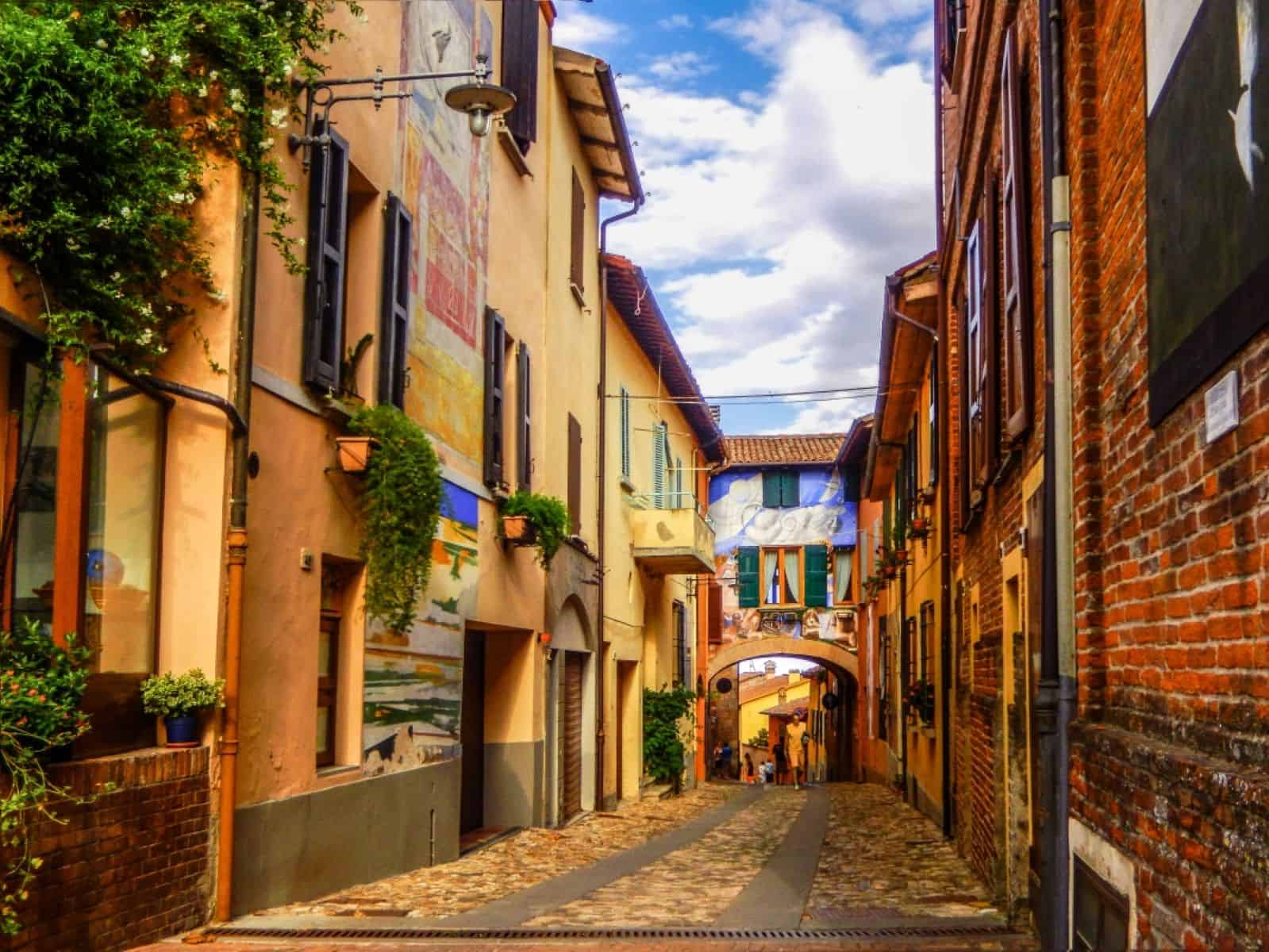
Slovenia is fundamentally redefining the European wine tourism map in 2026. Having walked the terraced hills of Jeruzalem and tasted the crisp, mineral-driven Šipon (Furmint) straight from the barrel, I am not surprised to see Štajerska claim the top position among Europe’s vineyard destinations. This recognition officially elevates Slovenia alongside historic viticultural heavyweights like Italy, Spain, and Austria. It rightfully redirects the global gaze toward Maribor, Ptuj, and the rolling Štajerska countryside—a region where centuries of agrarian heritage meet world-class gastronomy. Against the backdrop of a record-breaking year for Slovenian international travel, this shift highlights a broader European movement: travelers are trading overcrowded capital cities for immersive, slow-paced vineyard landscapes where authentic rural communities, hyper-local food, and historic walking routes encourage deeper exploration and longer stays.
- Štajerska has officially ranked first among Europe’s premier vineyard destinations for 2026.
- The rigorous assessment evaluated over 90 European territories based on terroir, infrastructure, and culture.
- Tourism infrastructure, accessibility, and sustainable viticulture were heavily weighted in the final scores.
- The historic cities of Maribor and Ptuj serve as the primary cultural gateways into the Štajerska wine country.
- The destination successfully integrates outdoor recreation, regional gastronomy, and deep agricultural heritage.
| Indicator | Štajerska 2026 position | European ranking |
|---|---|---|
| Assessment score | 19.5/20 | 1st |
| Main urban gateways | Maribor and Ptuj | N/A |
| Tourism strengths | Heritage, terroir, pumpkin-seed gastronomy, countryside cycling | N/A |
| Wider visitor appeal | Slow food, outdoor hiking, rural immersion | N/A |
Štajerska Takes First Place as Europe’s Vineyard Tourism Map Expands
Štajerska secured the number-one spot in the European Best Destinations’ 2026 assessment, outperforming more than 90 iconic wine regions. The evaluation went far beyond mere wine quality; it scrutinized the holistic visitor experience, from the diversity of grape varietals—such as the highly adaptable Laški Rizling and aromatic Yellow Muscat—to the region’s hospitality and sustainable farming practices. Earning an exceptional 19.5 out of 20, the region offers a remarkably cohesive travel geography. Driving through areas like Haloze, Slovenske gorice, and the Pohorje massif, travelers can effortlessly pivot from exploring ancient subterranean cellars in Ptuj to hiking densely forested trails, all within a single afternoon.
Advertisement
Advertisement
- The 19.5/20 score reflects Štajerska’s mastery of both viticulture and visitor hospitality.
- Over 90 distinct European wine territories were systematically evaluated.
- The region’s grape diversity, particularly its white varietals, played a crucial role in its ranking.
- The geography spans Maribor, Ptuj, Jeruzalem Slovenija, Haloze, and Pohorje.
- Travelers can seamlessly blend outdoor recreation with structured wine tastings on a single trip.
| Indicator | Štajerska 2026 position | European ranking |
|---|---|---|
| Assessment score | 19.5/20 | 1st |
| Main urban gateways | Maribor and Ptuj | N/A |
| Tourism strengths | Heritage, landscape, gastronomy, countryside | N/A |
| Wider visitor appeal | Culture, food, outdoor and rural tourism | N/A |
Europe’s Leading Vineyard Destinations Put Slovenia Ahead of Major Tourism Markets
While Štajerska captures the crown, Italy’s deep-rooted wine culture commands the broadest presence, securing four of the top 12 spots. Italy’s Langhe-Roero-Monferrato, home to the revered Nebbiolo grape, takes a well-deserved second place, bolstered by Chianti Rufina, Etna’s volcanic terroir, and the Alpine slopes of Valle d’Aosta. Spain makes a dramatic entrance in third place with Ribeira Sacra, a region defined by its “heroic viticulture” on impossibly steep river canyons. Austria flexes its white wine mastery with Kamptal (fourth) and Wachau (ninth). France’s Loire Valley represents via Sancerre and Saumur, while Portugal’s Alentejo and Greece’s Naoussa round out the list. This geographic spread showcases the staggering diversity of European terroir, from sun-baked Mediterranean soils to the crisp, continental climates of the Alps.
- Slovenia’s Štajerska holds the definitive number-one position for 2026.
- Italy dominates the sheer volume of top-tier regions, claiming four of the top 12 spots.
- Spain’s visually striking Ribeira Sacra secures a strong third-place finish.
- Austria proves its enological weight with two destinations in the top nine.
- The list spans Atlantic, Alpine, Continental, and Mediterranean terroirs.
| Rank | Destination | Country | Wider travel appeal |
|---|---|---|---|
| 1 | Štajerska | Slovenia | Heritage, countryside, Laški Rizling & Šipon |
| 2 | Langhe-Roero-Monferrato | Italy | UNESCO landscapes, Nebbiolo, Alba truffles |
| 3 | Ribeira Sacra | Spain | River canyons, slate terraces, rural tourism |
| 4 | Kamptal | Austria | Permian sandstone terroir, Grüner Veltliner |
| 5 | Chianti Rufina | Italy | Tuscan rural travel, Sangiovese heritage |
| 6 | Sancerre and Pouilly-Fumé | France | Loire countryside, flinty Sauvignon Blanc |
| 7 | Etna | Italy | Volcanic landscapes, high-altitude Sicily travel |
| 8 | Saumur and Anjou | France | Loire heritage, Chenin Blanc and Cabernet Franc |
| 9 | Wachau | Austria | Danube landscape, steep-terraced Rieslings |
| 10 | Valle d’Aosta | Italy | Alpine travel, high-elevation viticulture |
| 11 | Alentejo | Portugal | Rural landscapes, cork forests, robust reds |
| 12 | Naoussa | Greece | Northern Greek countryside, Xinomavro vines |
Slovenia Vineyard Tourism Gains Momentum as International Arrivals Rise in 2026
Slovenia’s ascension in the wine world perfectly aligns with a measurable surge in its broader visitor economy. Slovenije confirms 5.4 million tourist arrivals from January through August 2026—a robust 6.4% year-over-year increase. More importantly, foreign arrivals surged by 7.4% to 4.33 million, translating to 10.85 million international overnight stays. While these national figures encompass everything from the Julian Alps to the Adriatic coast, they indicate a maturing tourism market. International visitors are increasingly confident in venturing beyond Ljubljana and Lake Bled, seeking out the nuanced, terroir-driven experiences found in the eastern wine districts.
Advertisement
Advertisement
- Slovenia welcomed 5.4 million total arrivals in the first eight months of 2026.
- Total overnight stays reached a massive 14.08 million.
- Foreign arrivals drove the growth, increasing by 7.4%.
- Foreign overnight stays rose by a staggering 7.9%.
- This national growth provides the necessary foot traffic to sustain regional, rural wine tourism.
| Slovenia tourism indicator | Jan-Aug 2026 | Annual change |
|---|---|---|
| Total overnight stays | 14,078,406 | +6.4% |
| Foreign arrivals | 4,330,745 | +7.4% |
| Foreign overnight stays | 10,849,485 | +7.9% |
| Domestic overnight stays | 3,228,921 | +1.9% |
Maribor and Ptuj Give Štajerska a Strong Heritage Tourism Foundation
To understand Štajerska, one must look beyond the glass. Slovenia features three principal wine-growing regions comprising nine distinct districts, supported by over 2,500 producers cultivating 52 vine varieties. In Maribor, the sheer weight of history is tangible; the city is home to the world’s oldest producing grapevine, a 400-year-old Žametovka vine that still yields fruit today. Ptuj, Slovenia’s oldest recorded city, houses cavernous medieval wine cellars that smell of damp earth and aging oak. This dense historical fabric transforms Štajerska from a simple tasting destination into a haven for slow travel, where cycling through traditional vineyard settlements (zidanice) and partaking in local gastronomy is as vital as the wine itself.
- Slovenia is structured into three primary, highly regulated wine-growing regions.
- The country boasts nine official wine-growing districts with distinct microclimates.
- Over 2,500 producers operate nationally, heavily favoring boutique, small-batch production.
- The nation successfully cultivates 52 distinct vine varieties.
- Maribor’s 400-year-old vine anchors the region’s profound viticultural heritage.
| Slovenia vineyard profile | Verified national figure |
|---|---|
| Wine-growing regions | 3 |
| Wine-growing districts | 9 |
| Producers | More than 2,500 |
| Vine varieties | 52 |
| Estimated annual production | 800,000–900,000 hectolitres |
Italy Keeps Enormous Vineyard Tourism Strength Through Piedmont and Other Regional Destinations
Italy answers Slovenia’s challenge through the sheer, unparalleled pedigree of Piedmont. Langhe-Roero-Monferrato, ranked second, represents the pinnacle of Italian viticultural heritage. I have spent countless autumn mornings in this UNESCO-inscribed landscape, which protects 10,785 hectares of vine-covered hills and historic estates like the Castle of Grinzane Cavour. Italy’s wider tourism engine remains an absolute juggernaut; the Ministry of Tourism reported over 72.4 million arrivals and 276 million overnight stays during the summer of 2026 alone. This 2% year-over-year growth proves that demand for Italy’s premium, terroir-focused destinations remains insatiable, even at massive scale.
Advertisement
Advertisement
- Langhe-Roero-Monferrato is Europe’s second-highest ranked wine destination.
- The Piedmont vineyard landscape is a highly protected UNESCO World Heritage property.
- The UNESCO inscription covers a massive 10,785 hectares, plus a 76,295-hectare buffer zone.
- Italy absorbed over 72.4 million summer arrivals in 2026.
- Summer overnight stays surpassed 276 million, demonstrating unmatched market scale.
| Italy indicator | Latest verified information |
|---|---|
| Highest-ranked destination | Langhe-Roero-Monferrato |
| European ranking | 2nd |
| UNESCO property area | 10,785.33 hectares |
| June-August 2026 arrivals | More than 72.4 million |
| June-August 2026 overnight stays | More than 276 million |
Langhe Roero Monferrato Connects Rural Italy With UNESCO Heritage and Gastronomy
The true magic of Langhe-Roero-Monferrato lies in the symbiotic relationship between its calcareous soils and its kitchen tables. The landscape—a rolling sea of vines connecting the provinces of Cuneo, Asti, and Alessandria—is the birthplace of Barolo and Barbaresco. Yet, it is the town of Alba, with its intoxicatingly fragrant white truffles, that elevates the region into a global gastronomic pilgrimage. UNESCO accurately describes this area as a cultural landscape shaped by centuries of interaction between native grape varieties, local farmers, and medieval architecture. Walking between the ancient cellars of Serralunga d’Alba, visitors experience a destination where food, history, and agriculture are entirely indistinguishable from one another.
- The region is nestled within Piedmont, framed by the Alps in northern Italy.
- Alba’s white truffle traditions make it a premier global gastronomy hub.
- Impeccably preserved medieval settlements provide rich cultural context.
- The terroir is defined by centuries of interaction between soil, vines, and local farmers.
- UNESCO status guarantees the preservation of its historic castles and rural farms.
| Visitor component | Langhe-Roero-Monferrato offer |
|---|---|
| Landscape | Rolling agricultural hills, calcareous soils |
| Heritage | UNESCO cultural landscape, historic cellars |
| Gastronomy | Alba white truffles, tajarin pasta, Nebbiolo wines |
| Built heritage | Medieval villages, castles, and historic churches |
| Tourism format | Slow-paced rural, food, and heritage itineraries |
Spain’s Ribeira Sacra Adds Dramatic Rural Landscapes to Europe’s 2026 Tourism Mix
Taking third place, Spain’s Ribeira Sacra is perhaps the most visually arresting wine region in Europe. Known as the “Sacred Riverbank,” its ancient, impossibly steep slate and granite terraces plunge directly into the Sil and Miño rivers. Tending to the Mencía vines here requires “heroic viticulture”—exhausting manual labor on dizzying inclines. This dramatic geography injects a wild, rugged energy into Spain’s massive tourism portfolio. According to official INE data, Spain recorded 48.7 million hotel nights in August 2026 alone. The rising profile of inland Galician destinations like Ribeira Sacra is crucial for Spain, offering a sustainable, high-value alternative to the country’s heavily trafficked coastal resorts.
- Ribeira Sacra secured third place for its breathtaking, steep-terraced river canyons.
- The region sits deep within the lush, Atlantic-influenced region of Galicia.
- Spain processed an astounding 48.7 million hotel nights in August 2026.
- National hotel nights increased by 1.5% through the first eight months of the year.
- Foreign hotel stays grew by 2%, highlighting a shift toward inland cultural landscapes.
| Spain tourism indicator | 2026 figure |
|---|---|
| Ribeira Sacra ranking | 3rd |
| August hotel nights | More than 48.7 million |
| August annual growth | +1.4% |
| Jan-Aug hotel-night growth | +1.5% |
| Jan-Aug non-resident growth | +2.0% |
Galicia’s Tourism Base Strengthens Ribeira Sacra’s Potential for Rural Travel
Ribeira Sacra’s isolation is its greatest asset, but it relies on Galicia’s broader tourism infrastructure to host modern travelers. Official regional statistics reveal a highly diversified accommodation ecosystem. In July 2026, Galicia hosted 1.33 million hotel overnight stays, but the real story lies in alternative lodging: over 458,000 nights in campsites and 67,000 nights in traditional rural accommodations (casas rurales). While these figures cover the whole of Galicia, they prove that the region possesses the exact infrastructure required to support multi-day touring holidays. Visitors can spend their mornings hiking the canyon ridges, their afternoons tasting floral, mineral-driven Mencía, and their nights in historic stone farmhouses.
- Galicia generated 1.33 million traditional hotel nights in July 2026.
- Nature-based tourism is strong, with campsites recording over 458,000 nights.
- Tourist apartments provided nearly 186,000 nights of accommodation.
- Authentic rural lodgings contributed over 67,000 overnight stays.
- This diverse infrastructure perfectly supports self-driven, multi-stop rural itineraries.
| Galicia accommodation | July 2026 travellers | July 2026 nights |
|---|---|---|
| Hotels | 644,755 | 1,334,577 |
| Campsites | 107,288 | 458,187 |
| Tourist apartments | 47,012 | 185,967 |
| Rural accommodation | 28,563 | 67,029 |
| Hostels | 126,011 | 151,146 |
Austria Strengthens Its Vineyard Tourism Position Through Kamptal and Wachau
Austria’s reputation for precision winemaking is perfectly mirrored in its tourism execution. Securing fourth place, Kamptal is an enological marvel; its famous Heiligenstein mountain features 270-million-year-old Permian sandstone that yields some of the most complex, age-worthy Rieslings on earth, while its loess terraces produce dense, peppery Grüner Veltliners. Wachau follows closely in ninth place with its iconic Danube river views. Austria’s visitor economy remains highly resilient, with 117.89 million overnight stays recorded from January to August 2026 (a 1.5% increase). The integration of cutting-edge facilities, like Kamptal’s futuristic Loisium wine museum, with traditional tavern culture (Heurigen) makes Austria a masterclass in modern wine tourism.
- Kamptal ranks fourth, celebrated for its unique geological terroir and white wines.
- Wachau ranks ninth, offering stunning terraced vineyards along the Danube.
- Austria recorded a massive 117.89 million overnight stays through August 2026.
- Overall overnight stays increased by 1.5% compared to the previous year.
- Summer-season overnight stays accounted for 63.31 million of the total volume.
| Austria tourism indicator | 2026 result |
|---|---|
| Kamptal ranking | 4th |
| Wachau ranking | 9th |
| Jan-Aug overnight stays | 117.89 million |
| Jan-Aug growth | +1.5% |
| Summer stays through August | 63.31 million |
What the 2026 Rankings Could Mean for European Travel and Tourism
The defining impact of the 2026 rankings is the accelerated decentralization of European travel. Destinations like Štajerska, Langhe, and Kamptal provide compelling reasons for travelers to bypass saturated hubs like Venice or Barcelona in favor of rural economies. This shift distributes vital tourist capital directly into the hands of independent hoteliers, local restaurateurs, and family-owned vineyards. While current national statistics show rising travel demand across the board, the true economic footprint of these wine rankings will be realized at the micro-level—when regional guesthouses hit full occupancy during the autumn harvest season and cycling tour operators expand their rural routes.
- Wine tourism acts as a powerful catalyst for geographically dispersing travelers.
- Rural economies directly benefit from the prolonged multi-stop itineraries wine lovers prefer.
- Vineyard visits naturally pair with high-yield activities like heritage tours and cycling.
- International travel demand in Slovenia, Italy, and Austria is already showing strong baseline growth.
- Post-2026 regional data will be required to measure the exact localized financial impact of the rankings.
| Country | Featured destination | 2026 tourism context | Potential travel role |
|---|---|---|---|
| Slovenia | Štajerska | Arrivals +6.4% Jan-Aug | Regional tourism diversification, slow travel |
| Italy | Langhe-Roero-Monferrato | 276m+ summer nights | Premium rural and gastronomic tourism |
| Spain | Ribeira Sacra | Hotel nights +1.5% Jan-Aug | Inland touring, heroic viticulture appreciation |
| Austria | Kamptal, Wachau | Nights +1.5% Jan-Aug | Countryside cycling and cultural itineraries |
Europe Vineyard Destinations 2026 Create New Reasons to Travel Beyond Famous Capitals
Ultimately, this year’s list proves that modern wine tourism is rarely just about the tasting room. These territories offer a complete cultural ecosystem. Štajerska allows visitors to trace the narrative of wine from the ancient urban cellars of Ptuj to the sun-drenched agricultural slopes of Jeruzalem. Piedmont marries the intellectual appeal of UNESCO history with visceral culinary pleasure. Ribeira Sacra transforms a wine tasting into a geological awe-inspiring adventure, and Austria seamlessly blends ancient soils with modern architectural visitor centers. These are not day-trip diversions; they are fully realized destinations that demand time, curiosity, and an appreciation for the slow, meticulous craft of rural European life.
- Wine regions are evolving into comprehensive, multi-day travel destinations.
- Deep historical context significantly elevates the value of rural touring routes.
- World-class gastronomy provides the anchor required to extend visitor overnight stays.
- Smaller, adjacent towns are successfully networking together to create cohesive regional brands.
- This geographic dispersal is critical for the long-term sustainability of European tourism.
| Travel segment | Relevant destinations |
|---|---|
| Heritage tourism | Štajerska, Piedmont, Wachau |
| Rural tourism | Ribeira Sacra, Kamptal, Chianti Rufina |
| Gastronomy travel | Langhe-Roero-Monferrato, Štajerska |
| Landscape tourism | Ribeira Sacra, Etna, Valle d’Aosta |
| Multi-stop European touring | Slovenia, Italy, Spain, Austria |
Conclusion
As Štajerska confidently leads Europe’s vineyard destinations in 2026, it signals a golden era for experiential, terroir-driven travel. By outpacing established titans in Italy, Spain, and Austria, Slovenia has proven that travelers are increasingly rewarding destinations that prioritize authenticity, deep agricultural heritage, and unhurried rural exploration. While regions like Langhe-Roero-Monferrato and Kamptal continue to demonstrate the immense economic power of wine tourism, it is the geographic diversification—pulling visitors away from crowded capitals and into the terraced canyons of Ribeira Sacra or the rolling hills of eastern Slovenia—that represents the future of European travel. As international arrivals continue to climb, these vineyard landscapes stand ready to offer the space, culture, and flavor that modern travelers are searching for.
Advertisement
