
South Korea Faces a Surprising Shift as Highly Educated Youth Stay With Parents and Quietly Transform Seoul Travel, Domestic Tourism, and Long Stay Urban Living Patterns – New Update You Need to Know

Published
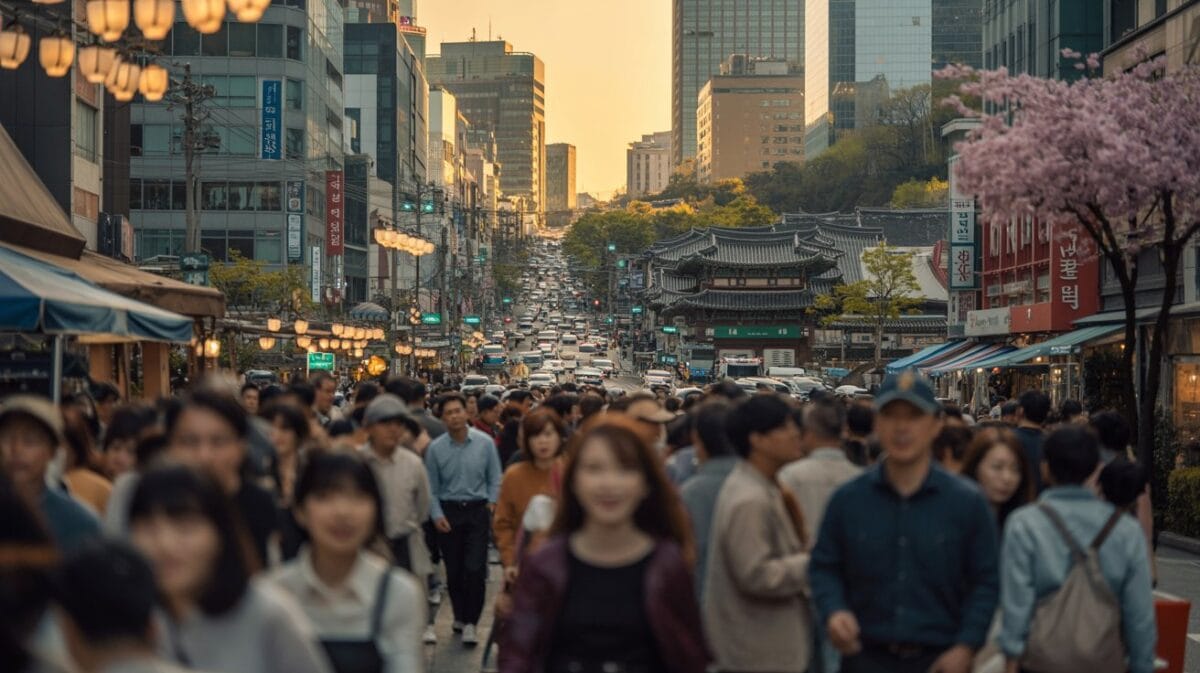
Image generated with Ai
The rise of full-time children South Korea is doing something unexpected—it’s not just changing household dynamics, it’s also influencing how people move around cities, plan their days, and even think about travel to South Korea 2026. What looks like a social and economic trend on the surface is slowly blending into something much bigger: a shift in how a generation experiences urban life, especially in places like Seoul.
At its simplest, full-time children South Korea refers to young adults—often highly educated—who live with their parents while contributing to household chores, caregiving, and daily errands. In return, they receive housing and sometimes financial support. But behind this arrangement is a deeper story shaped by jobs, housing costs, and changing expectations about independence.
Why More Young Adults Are Staying At Home
South Korea has one of the most educated young populations in the world. OECD figures show about 71% of people aged 25–34 have completed higher education. Yet this achievement doesn’t guarantee stability in the job market.
Official data highlights a difficult contrast:
Advertisement
Advertisement
- Youth employment rates remain below OECD averages
- Many graduates spend long periods searching for stable work
- A growing number are classified as economically inactive
These pressures are a key reason full-time children South Korea is becoming more common. For many families, staying together simply makes financial and emotional sense right now.
Advertisement
Advertisement
This shift is also quietly influencing expectations for travel to South Korea 2026, especially as more people anticipate longer stays with family rather than independent living arrangements.
How This Is Changing Everyday Movement In Cities
One of the most interesting side effects of full-time children South Korea is how it changes movement patterns within cities. Instead of moving out, many young adults remain rooted in their family home while navigating jobs, interviews, and daily life from a single base.
This has contributed to what analysts describe as the Seoul long stay travel trend, where mobility becomes more local and flexible rather than relocation-based.
Advertisement
Advertisement
In real life, this looks like:
- Frequent short trips within Seoul instead of intercity moves
- Staying longer in one home base while job searching
- Using public transport for flexible, everyday movement
- Planning travel in smaller, more affordable segments
So rather than traditional migration for work, there’s a quieter shift toward staying put and moving in shorter bursts.
Advertisement
Advertisement
Housing Pressure Is Reshaping Independence
Another major driver of full-time children South Korea is housing. Government surveys show that more than half of people aged 19–34 still live with their parents. This is strongly tied to rising urban housing costs, especially in Seoul.
This has led to a noticeable South Korea tourism shift, where domestic travel and leisure habits are increasingly shaped by financial constraints and living arrangements rather than pure wanderlust.
Instead of renting independently in expensive districts, many young adults:
- Stay in their family home longer
- Prioritize saving over relocation
- Opt for short domestic trips instead of long stays elsewhere
This changes not only how people live, but also how they approach future travel to South Korea 2026, with many expecting more flexible and budget-conscious travel choices.
A New Kind Of Urban Lifestyle Is Emerging
The traditional idea of leaving home after university is slowly being replaced by something more fluid. This is where the idea of urban co-living travel culture comes in.
Advertisement
Advertisement
In many households:
- Adult children share daily responsibilities with parents
- Travel and outings are often coordinated as a family unit
- Homes function as shared living and planning hubs
- Independence is delayed but not necessarily rejected
This isn’t just about staying home—it’s about rethinking what “living independently” actually means in a high-cost urban environment.
Mobility Is Still Active—Just More Flexible
Even though young adults are staying at home longer, they’re not standing still. Instead, youth mobility South Korea is evolving into something more adaptable.
Rather than long-term relocation, mobility now often includes:
- Short-term movement for interviews or training
- Day trips within and around Seoul
- Flexible commuting between multiple daily roles
- Occasional domestic travel breaks
It’s a system built around adaptability rather than permanent change.
Advertisement
Advertisement
And as expectations grow around travel to South Korea 2026, this flexible mobility pattern is likely to influence how visitors and locals share space in major cities.
Budget Pressure Is Reshaping Travel Behavior
Money plays a huge role in this shift. Many young adults are carefully balancing household contributions with personal spending, which has given rise to a budget living Seoul travel mindset.
This leads to travel patterns like:
- Short, low-cost domestic trips
- Day travel instead of overnight stays
- Choosing free or affordable cultural experiences
- Limiting long-distance or international travel
Instead of long holidays, travel becomes something small, frequent, and carefully planned.
Not Just One Group—This Trend Cuts Across Society
The full-time children South Korea lifestyle isn’t limited by gender or background. Both men and women are part of this shift, which reflects broader changes in how work, family, and responsibility are shared.
Advertisement
Advertisement
This also affects travel behavior:
- Caregiving responsibilities can limit travel time
- Household duties shape when people can move freely
- Family schedules often take priority over personal trips
So travel becomes something coordinated rather than completely individual.
Why Experts Say This Is Happening
Researchers and government analysts point to structural reasons rather than personal choice:
- High youth unemployment pressures entry into stable jobs
- Expensive housing slows down independence
- Strong education levels don’t always match job availability
- Aging populations increase reliance on family support
Together, these forces make full-time children South Korea more of an adaptation than a lifestyle trend.
What This Means For Readers And Travelers
Even if you’re outside South Korea, these changes matter—especially if you’re thinking about travel to South Korea 2026.
Advertisement
Advertisement
Here’s how it may affect visitors and observers:
- Cities like Seoul may feel more “settled” with fewer rapid relocations
- Domestic tourism patterns may become shorter and more frequent
- Public transport will continue to play a central role in mobility
- Family-centered daily life will shape local culture and experiences
- Travel experiences may feel more localized and less fast-moving
In simple terms, South Korea is becoming a place where life and movement are deeply connected to family structures and economic realities.
Final Thought
What’s unfolding in South Korea isn’t just a social label—it’s a quiet restructuring of how a generation lives and moves. And as travel to South Korea 2026 approaches, the way people experience cities like Seoul will likely feel less about fast independence and more about shared spaces, careful choices, and a slower, more adaptive rhythm of life.
Key Takeaways
- full-time children South Korea reflects economic and housing pressure
- The Seoul long stay travel trend shows more stable home-based living
- The South Korea tourism shift is moving toward shorter domestic travel
- urban co-living travel culture is redefining how families share space
- youth mobility South Korea is flexible, not disappearing
- budget living Seoul travel reflects tighter financial planning among youth
- These shifts will influence expectations for travel to South Korea 2026
Advertisement
