
Moldova Is Proving That The Future Of Travel Belongs To Emerging Destinations Rich In Heritage And Warm Local Hospitality

Published
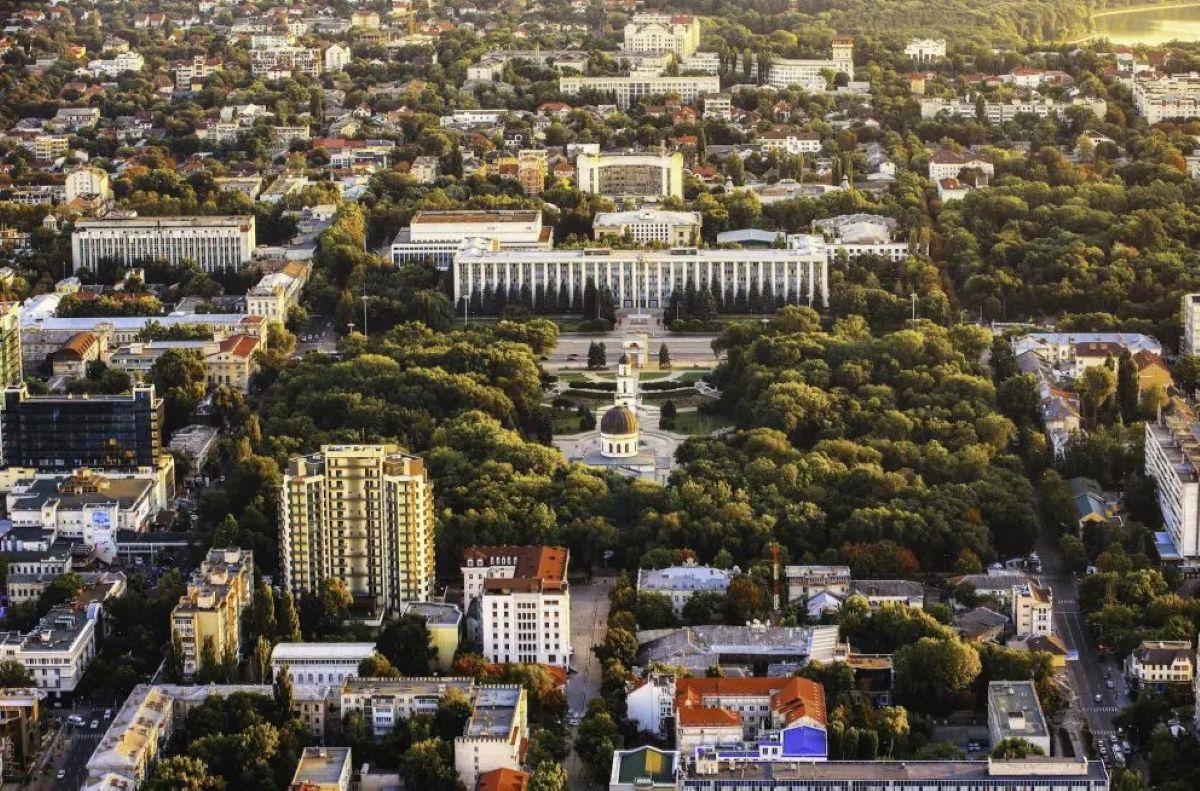
Image Credit moldova.travel
People are making unique choices when selecting travel destinations. Travel now brings about more complex desire fulfillments such as presence and connection. For now, most of the world lives under a financial burden, making travel a low preference. Travel grants people the ability to visit places they can experience the grapes, walk on the streets, and witness different cultures. Wanderlust focuses most strongly on travel and other wanderlust activities are becoming more focused. A greater percentage of the world’s travelers are now taking the more budget, safe, and restricted pathways to select their destinations while still being appreciative of heritage. In Moldova, this preference has created an environment for the growth of the arts and culture. Many would travel for the opportunity to experience a lossless vacation and appreciate the things available if travel is not excessive.
Understanding the Global Evolution of Consumer Expectations and Strategic Travel Industry Responses
The current international landscape exhibits a massive turn toward financial mindfulness, personal security, and localized convenience. Consequently, standard long-haul vacations are increasingly losing ground to shorter, regional excursions that last between 4 to 6 nights. This transition directly affects the global travel industry, as flight operators, accommodation chains, and excursion managers scramble to modify their inventory. Commercial flight schedules are undergoing realignments, with airlines shifting aircraft assets away from volatile long-distance routes toward high-density regional corridors. Furthermore, global hospitality firms must rework their booking policies to accommodate last-minute reservations and offer transparent value packages that prevent consumer drop-off.
Advertisement
Advertisement
Because modern journeyers prioritize safety, accessibility, and financial value, global destinations must reimagine how they promote their key assets. As a result, budget-conscious consumers are seeking transparent pricing models, clear refund terms, and high-quality local experiences without exorbitant price tags. This change forces global operators to overhaul their traditional marketing strategies and create streamlined itineraries that highlight regional charm. In response, regional transport infrastructure, domestic passenger rail networks, and localized car rental operations are seeing increased utilization. Ultimately, service providers that swiftly adapt to these value-oriented preferences will maintain a solid market position across the international marketplace.
Transforming Regional Infrastructure to Secure Sustainable Long-Term Hospitality Growth
Advertisement
Advertisement
To capture the interest of modern vacationers, destination management organizations are actively reframing their long-term growth agendas. Industry leaders are redirecting financial investments toward sustainable infrastructure, regional transit connections, and community-based hospitality initiatives. By reducing friction along border crossings and streamlining regional transportation networks, destination authorities can convert passing interest into steady visitor flows. Moreover, hospitality networks are increasingly integrating digital check-in systems, localized mobile guides, and flexible booking engines to serve travelers who demand seamless execution.
Additionally, this structural adaptation provides vital support to local economies that were previously overlooked by mass tourism operators. Small-scale lodging facilities, family-run restaurants, and regional cultural venues now benefit from the growing influx of value-focused visitors. Consequently, public sector agencies and private commercial enterprises are joining forces to upgrade regional facilities, preserve historical sites, and promote eco-friendly transport options. By creating a unified ecosystem centered on accessibility and affordability, emerging regional hubs can build a resilient foundation for long-term commercial success in an increasingly competitive global travel market.
Advertisement
Advertisement
Analyzing Domestic, Inbound, and Outbound Trends Across Moldova and Neighboring Romania
Within Moldova, specific sectoral data from January through June of 2026 illustrates how these global behavioral shifts manifest on a national scale. Domestic travel surged dramatically by 11.1%, as residents increasingly prioritized internal journeys over expensive international departures. Simultaneously, overall inbound visits rose by 4.2%, heavily bolstered by a impressive 28.5% spike in foreign tourist counts alongside a 20.3% growth in total tourist-days. Much of this inbound growth stemmed from neighboring Romania, which represented 69.3% of all foreign agency-managed visitors within Moldova. In contrast, outbound departures by local residents fell by 3.2%, reflecting a clear preference for local options over costly international journeys.
Despite changing movement patterns, overall economic performance across the domestic sector remained remarkably strong. Sectoral revenues jumped by 9.3%, reaching a substantial total of MDL 1.897 billion. This financial growth demonstrates that targeted inbound movement and robust internal participation can yield impressive monetary returns, even when overall client volume grows at a modest rate of 0.8%. The distinct surge in visitor volume from Romania underscores the vital importance of maintaining strong regional connectivity and targeted promotional campaigns across neighboring borders.
The ongoing transformation of visitor behavior presents clear operational advantages for nations capable of delivering authentic, budget-friendly experiences. For Moldova, the notable decrease in outbound movement paired with strong inbound expansion creates a favorable environment for sustained economic expansion. As regional travelers seek high-value alternatives close to home, destinations with well-developed internal offerings can effectively capture market share without relying entirely on distant source markets.
Advertisement
Advertisement
Capitalizing on Authentic Cultural Heritage, Wine Excursions, and Local European Gastronomy
As consumers demand rich, memorable encounters at reasonable price points, destinations possessing authentic traditions hold a distinct advantage. Moldova stands in an ideal position to leverage its geographical proximity to major populations across Europe, offering visitors access to world-class winemaking, historic rural retreats, and rich culinary traditions. Modern journeyers increasingly shun generic mass-market resorts in favor of unique cultural immersion, peaceful countryside stays, and authentic farm-to-table dining experiences. By positioning these organic assets as high-value alternatives to expensive Western European destinations, local hospitality networks can systematically draw discerning global visitors.
To fully exploit these market shifts, regional operators must focus on crafting tailored tour options that emphasize sustainability, cultural depth, and transparent pricing. Strategic investments in rural boutique accommodations, organized wine routes, and interactive cultural workshops can convert casual day-trippers into long-stay guests. Furthermore, maintaining clear safety protocols and seamless transit options will reinforce consumer confidence across key European markets. Through targeted marketing that showcases local identity, regional destinations can secure a loyal international following and turn temporary behavioral shifts into a long-lasting competitive edge.
Looking forward, the global travel landscape will continue rewarding regions that harmonize cultural richness with financial accessibility. Destinations that proactively adapt to shortened stay durations, flexible booking patterns, and heightened value expectations will remain well-positioned for continuous revenue growth. By capitalizing on authentic regional strengths, maintaining competitive pricing, and building strong cross-border partnerships, emerging destinations across Europe can establish themselves as preferred choices for the modern, value-driven traveler.
Shift in Traveler Priorities and the Global Impact on the European Travel Industry
The overarching trajectory of European movement in 2026 proves that while global enthusiasm for exploration remains exceptionally high, consumer decision-making has become far more calculated. The massive 82% demand recorded across Europe confirms that individuals view travel as an essential priority, yet their spending habits reflect heightened financial caution. As a result, the global industry must pivot away from high-cost, long-duration packages toward flexible, affordable, and easily reachable regional destinations.
Advertisement
Advertisement
Ultimately, this ongoing realignment offers an unprecedented strategic window for emerging destinations such as Moldova. By combining close proximity to major markets across Europe with world-class wine, authentic culinary arts, and pristine countryside hospitality, the nation can transform its traditional assets into a robust economic engine. As global journeyers continue prioritizing quality, safety, and financial value, regions that deliver authentic experiences at fair prices will define the future of international travel.
Evaluating Shifts in Average Length of Stay and Nightly Occupancy Rates Across Regional Hospitality Hubs
Across the continent of Europe, the duration of standard leisure trips has undergone significant compression. Historical averages that previously hovered around 6.4 nights have dropped sharply to 4.6 nights, reflecting a clear consumer pivot toward shorter, more frequent micro-vacations. This operational shift forces accommodation providers to adapt to faster guest turnover cycles and modify yield management protocols to maintain consistent revenue streams.
Despite shorter overall stays, mid-scale accommodation properties in urban commercial hubs like Chisinau experienced positive performance, recording a 3.8% increase in mid-week occupancy. Simultaneously, daily visitor expenditure rose by 4.3%, demonstrating that short-stay travelers are willing to spend more per day on premium services, dining, and local amenities. This increase in daily spending helps offset the reduced duration of stays, stabilizing total yields for urban lodging providers.
Analyzing the Economic Impact of Intra-Regional Cross-Border Corridor Growth Between Neighboring Nations
Regional cross-border corridors continue to serve as major drivers of foreign tourist arrivals, particularly between contiguous territories. Romania has reaffirmed its position as the leading source market for Moldova, generating 69.3% of all foreign travelers served through registered agency networks. Ground transportation networks connecting these neighboring markets saw heightened activity, with cross-border road passenger traffic increasing by 8.7% year-on-year.
Advertisement
Advertisement
Out of the 65.8 thousand inbound agency visitors registered, 95.2% participated in short-duration excursion itineraries. This heavy concentration of short-stay travelers presents an immediate strategic opportunity for local operators to craft extended itineraries, converting day-tripping excursionists into multi-night hotel guests. Strengthening regional border infrastructure and transit efficiency remains essential to maintaining this cross-border momentum.
Financial Performance Metrics of Domestic Tourism Expansion and Local Capital Retention Dynamics
Internal travel participation within Moldova demonstrated remarkable strength, expanding by 11.1% during the first half of 2026. This domestic expansion highlights a growing preference among local residents to explore regional cultural and natural sites rather than undertaking costly international trips. Consequently, local spending remained largely within domestic commercial channels, supporting regional business sustainability.
Direct financial metrics reflect this internal momentum, with domestic tourism activities generating MDL 167.1 million, representing a 9.6% upward shift. At the same time, outbound departures by residents dropped by 3.2%. This decline in outbound travel effectively retained capital within the national financial system, providing stable revenue for domestic lodging facilities, transport services, and recreational venues.
Breakdown of Visitor Demographics and Commercial Yield Across Agri-Tourism and Countryside Eco-Lodges
Rural tourism and eco-lodging facilities experienced strong demand from both domestic and foreign visitor segments. Historic rural destinations, including Trebujeni and Orhei, recorded a 14.2% year-on-year increase in guesthouse reservations. Travelers increasingly seek authentic countryside environments, local heritage, and nature-based recreation away from congested metropolitan centers.
Advertisement
Advertisement
International visitor demographics across rural destinations also demonstrated notable diversification. Visitors from Italy accounted for 17.5% of inbound excursionists, supplemented by steady arrivals from Poland, the Czech Republic, and China. Overall, community-based eco-tourism initiatives generated an estimated MDL 85 million in direct economic spending, delivering vital financial support to countryside communities and local entrepreneurs.
Evaluating Wine Tourism Engagement and Cultural Route Spending Patterns Across Key Destinations
Viticulture and gastronomy remain primary catalysts for attracting international visitors. Excursions along national wine trails recorded an 18.5% increase in participants, confirming that experiential food and beverage itineraries drive strong visitor interest. Foreign travelers allocated approximately 28% of their total holiday budgets specifically to specialized dining, winery tours, and regional tastings.
Major underground wine cellars and estate venues welcomed over 120,000 tasting guests during the first six months of 2026. This sustained visitor traffic highlights the commercial value of integrating agricultural heritage into broader tourism offerings. By expanding wine route infrastructure and promotional campaigns, destination managers can continue to capture high-margin spending from international travelers.
Comprehensive Revenue Structures Across Commercial Travel Agencies and Tour Operators
Commercial performance across organized travel agencies and tour operators demonstrated solid financial expansion. Total sector revenues reached MDL 1.897 billion in the first half of 2026, representing a 9.3% year-on-year growth. This financial performance reflects both steady client volume and improved pricing strategies across structured travel packages.
Advertisement
Advertisement
Inbound operations achieved particularly strong results, with tourism revenue collected by registered agencies from incoming foreign visitors expanding by 33.3% year-on-year. Across broader multi-quarter periods, cumulative annual sector output crossed MDL 4.2 billion, marking a 10.3% overall expansion. These results demonstrate the increasing efficiency and market reach of commercial travel operators serving the region.
Tracking Seasonal Traveler Sentiment Shifts and Spring and Summer Booking Window Dynamics
Travel intent across Europe reached record levels in 2026, with 82% of surveyed populations planning spring or summer trips—the highest enthusiasm rate logged since 2020. However, booking behaviors revealed a strong emphasis on affordability and flexibility. Booking lead times shortened by an average of 12 days, as 48% of European consumers cited value for money and price transparency as their main travel priorities.
Alongside shorter booking windows, demand during shoulder months increased. Consumer interest during off-peak periods, specifically April–May and September–October, rose by 6.5%. This distribution of visitor flows helps smooth occupancy levels across the entire year, reducing seasonal revenue fluctuations for lodging providers and local service operators.
Evaluating Macro-European Market Share Dynamics and Safety-Oriented Travel Routing
On a macroeconomic scale, international tourist arrivals across Europe expanded between 5.0% and 5.6%, while total overnight stays grew by 4.8%. Intra-regional travel dominated these movements, accounting for nearly 80% of all European tourist visits. This high concentration of intra-continental travel demonstrates a clear consumer preference for accessible, safe, and familiar destinations that minimize travel complexity.
Advertisement
Advertisement
In Moldova, total tourist-days logged by foreign visitors grew by 20.3%, outpacing raw visitor arrival growth and driving higher overall sector yield. By positioning regional assets to meet the expectations of safety-minded, value-conscious European travelers, emerging destinations can secure a sustainable share of the broader international travel market.
Operational Expansion of Digital Nomad Residency Programs and Extended Remote Work Infrastructure
The official implementation of Moldova’s Digital Nomad Visa under Law 144/2025 created a formal framework allowing location-independent professionals to obtain legal medium-term residency. In 2026, the official minimum monthly income requirement was set at 52,200 MDL (approximately €2,700–€2,800). This baseline is calculated directly as three times the projected national average monthly wage of 17,400 MDL. Qualifying international remote workers receive a 12-month residence permit, renewable for a second year, paired with a simplified flat tax structure on foreign-sourced revenue.
This steady influx of high-earning, long-stay residents generates strong commercial benefits for urban real estate, co-working facilities, and local service providers. In Chisinau, digital nomads contribute an estimated $1,000 to $1,300 in monthly living expenses per person, supporting residential housing, food services, and regional weekend travel. By extending average stay durations far beyond conventional leisure trips, remote professionals provide reliable, year-round rental income and consumer spending that strengthen the local economy.
Growth Metrics Across Meetings, Incentives, Conferences, and Exhibitions (MICE) Corporate Tourism
European business networks are increasingly selecting accessible, value-driven regional destinations for corporate conferences, executive retreats, and industry summits. Modern hotel properties and commercial event venues in Chisinau have established the capital as a prime regional hub for corporate gatherings, seamlessly combining business services with cultural and viticultural excursions.
Advertisement
Advertisement
Corporate itineraries across Moldova frequently pair multi-day conference sessions with professional team-building events hosted at historic subterranean wine cellars and countryside estates. Event organizers report that corporate delegates generate an average daily expenditure 35% to 45% higher than standard leisure travelers, directing significant budgets toward upscale lodging, private transit, and curated group dining. This expansion in corporate group bookings helps maintain consistent mid-week hotel occupancy, balancing seasonal dips in leisure travel.
Economic Integration of International Medical Tourism and Private Healthcare Services
Specialized healthcare and dental tourism represents another high-yielding sector expanding international visitor spending in 2026. Cross-border patients from countries such as Romania, Italy, and Germany are increasingly traveling to Chisinau for advanced medical procedures, complex dental care, and specialized diagnostic evaluations offered at a fraction of Western European costs.
Because medical treatments require initial consultations, procedure phases, and mandatory recovery periods, international patients generally log extended stays ranging from 7 to 12 nights. Outbound medical travelers make substantial financial contributions toward private clinical fees, companion lodging, private ground transport, and specialized recovery services. By integrating high-quality healthcare with comfortable accommodations and tailored recovery support, local medical providers turn health-focused visits into significant direct revenue for the domestic hospitality sector.
The Final Verdict
The reason people travel has nothing to do with statistics and metrics. It’s bread baking. It’s knowing that you’re at a new place. As the world starts to show more and more caution, and budgets are looking even tighter, our need to travel the world is still standing. These are some of the reasons we want to travel and Moldova is one of them. Beyond all the math and the metrics, there is something we will never grow out of like welcoming travelers in a quiet village with a warm meal, the silence in winery cellars and the warm heart that a place beats where it is open to travelers. The more intentional travel replaces the easy come easy go travel. Travel that is more hearted, more comforting and makes travel worthwhile will dominate the future of travel.
Advertisement
