
Russia and North Korea Open Historic Khasan-Tumangang Bridge in Summer 2026, Uniting Two Nations with Direct Road Access for the First Time

Published
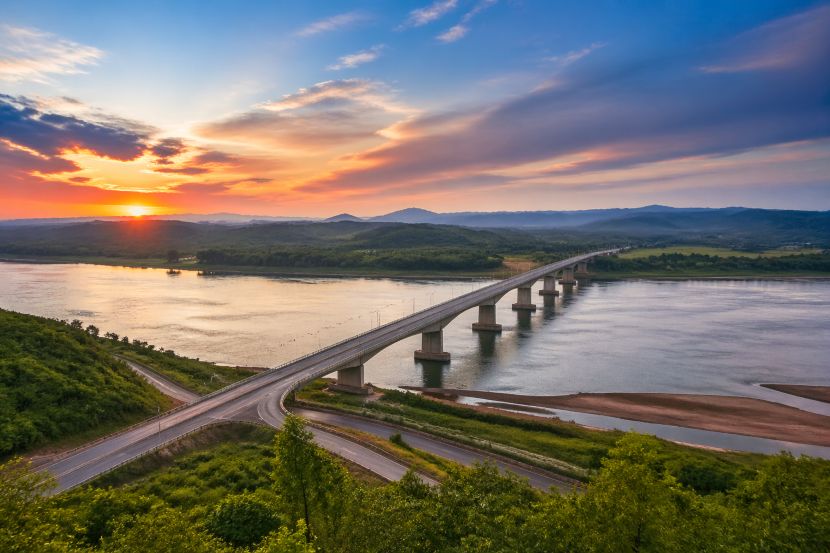
Image generated with Ai
A monumental chapter in cross-border travel is set to unfold in summer 2026 when the Khasan-Tumangang Bridge between Russia and North Korea opens to the public. This landmark infrastructure development is poised to reshape the way both countries interact, providing a direct road link over the Tumen River for the first time in history. As the final sections of the bridge are joined, a new era of transportation and regional connectivity beckons for both nations.
Until now, the only land connection between Russia and North Korea has been via rail, with the Korea-Russia Friendship Bridge serving as the sole crossing point. However, the completion of the Khasan-Tumangang Bridge will provide the first dedicated road access, transforming cross-border travel in the region. Set to open in summer 2026, this new crossing is expected to significantly boost trade, tourism, and logistics between the two countries.
Advertisement
Advertisement
Khasan-Tumangang Bridge to Open New Path for Direct Vehicle Access Between Russia and North Korea
The new bridge, which stretches a total of 1,005 meters across the Tumen River, will offer vehicles the opportunity to travel directly between Khasan in Russia and Tumangang in North Korea. This will mark a historic first, as vehicles will be able to traverse the border without relying on rail transport. The bridge is designed to accommodate up to 300 vehicles per day and is expected to play a critical role in connecting communities on both sides of the river, enhancing travel for both people and goods.
This project has been hailed as a monumental step forward for both countries, opening up possibilities for tourism, business, and logistics that were previously limited by geographic and political constraints. The Khasan-Tumangang Bridge will also include enhanced border checkpoint facilities to manage increased traffic, ensuring smoother passage for both domestic and international travellers.
Advertisement
Advertisement
Tourism and Trade Impacts: What the Khasan-Tumangang Bridge Means for North Korea and Russia
From a tourism perspective, the opening of the Khasan-Tumangang Bridge is expected to boost the regional tourism industry significantly. While North Korea remains a largely restricted destination for international visitors, this new road access could pave the way for new forms of travel in the future. With more efficient overland access, Russian travellers will now be able to explore areas of North Korea, including Pyongyang and other sites, while North Korean tourists may also benefit from easier access to Russian regions like Vladivostok.
Beyond tourism, the Khasan-Tumangang Bridge will also unlock vital new opportunities for trade between the two countries. Russia’s Far East regions, rich in natural resources, could gain easier access to North Korea’s markets. Meanwhile, North Korea could potentially expand its trade ties with Russia, particularly in areas like energy and agriculture, through this new overland route. The bridge’s capacity to handle 300 vehicles per day will facilitate the movement of goods and people in ways that were previously restricted.
Advertisement
Advertisement
An Engineering Marvel: The Construction and Design of the Khasan-Tumangang Bridge
The Khasan-Tumangang Bridge has been carefully designed to meet the needs of both high traffic volumes and the harsh climate conditions typical of the region. Seismic reinforcement and advanced engineering techniques were incorporated to ensure the bridge can withstand the challenges posed by extreme weather conditions, including the region’s notorious cold winters.
Construction of the bridge began in April 2025, and with the final section now connected, Russian and North Korean officials are confident that the crossing will be ready for its summer 2026 opening. The bridge will be able to accommodate heavy vehicles and is integrated into existing transport networks in both countries, offering seamless connections to national roadways.
Advertisement
Advertisement
A New Era of Cross-Border Connectivity: What’s Next for Russia and North Korea?
As the Khasan-Tumangang Bridge nears completion, the new road link marks a critical step in the growing transport cooperation between Russia and North Korea. Over the coming years, both countries are expected to expand on this initial project, further improving trade routes and potentially opening additional travel corridors. Future plans include the expansion of rail services and direct flights between Moscow and Pyongyang, boosting connectivity and laying the groundwork for increased regional integration.
The opening of the Khasan-Tumangang Bridge will likely also stimulate further investment in the Russian Far East and North Korean infrastructure. Given the strategic location of the bridge at the tri‑border of Russia, China, and North Korea, it could become a vital node in a wider East Asian trade network.
Conclusion: A Landmark Moment in Cross-Border Cooperation and Connectivity
The completion of the Khasan-Tumangang Bridge represents a transformative moment for Russia and North Korea, offering new pathways for trade, tourism, and people-to-people exchanges. The bridge, set to open in summer 2026, will not only enhance cross-border travel but also contribute to the broader regional economic development in Northeast Asia. As both nations continue to strengthen their cooperation, the Khasan-Tumangang Bridge will stand as a symbol of the growing regional connectivity between two countries at the crossroads of East Asia.
Advertisement
