

Image generated with Ai
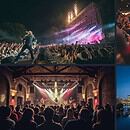
In June 2026, global attention shifted toward the coastal metropolis of Busan, South korea. The legendary K-pop group BTS prepared for their anticipated Arirang world tour concerts. These concerts served as the primary catalyst for international travel.
However, the Korea Tourism Organization (KTO) recognized a unique opportunity. They wanted to transcend the traditional concert-goer experience. Historically, interest in South Korea has been concentrated in Seoul and Pyeongchang. To counter this, a sweeping national campaign was initiated. This movement aims to redirect global interest toward lesser-visited provinces. It is a calculated recalibration of how cultural soft power engineers national tourism patterns.
Advertisement
Impact on Travellers
The international BTS fandom, known as ARMY, has seen their travel experience enriched. Targeted technological and logistical interventions have been deployed. Visitors are now guided toward immersive, localized exploration.
Advertisement
Advertisement
These measures successfully incentivize fans to venture into peripheral areas beyond the city centers.
Industry Insights for South Korea Tourism
From an industry perspective, this initiative represents a pivot toward sustainable regional development. The KTO now views major K-pop events as windows to guide visitors toward regional areas. Historically, these regions struggled to retain the attention of international travelers.
Local operators, including Hanatour ITC, have been instrumental in this change. Traditional itineraries have been aggressively redrawn to include provinces surrounding Busan. The objective is clear. The industry intends to convert a temporary spike in pop culture interest into permanent travel habits. By integrating cultural symbols with travel technology, the industry addresses the challenge of visitors leaving immediately after events.
Advertisement
Advertisement
Practical Information for Travelers
To facilitate a seamless experience, several practical measures have been implemented to ensure a frictionless transition for travelers navigating these new, regional itineraries. The government has prioritized the development of comprehensive, one-stop digital guides that provide essential information regarding local transit, safety protocols, and modern payment methods.
In Busan, the civic environment has been extensively transformed to support the current influx of international visitors. Key logistical improvements include:
Consequently, the practical aspects of travel—ranging from diverse dining experiences to complex local transport logistics—are now more accessible to international guests. These advancements have been instrumental in removing language barriers, allowing for a more inclusive and user-friendly exploration of South Korea. By integrating these sophisticated support systems, the nation is successfully modernizing its approach to tourism, ensuring that the BTS-led movement into regional areas is met with professional, high-quality infrastructure.
Comparison with Previous Policies
This strategic shift represents a marked departure from previous models that once leaned heavily on centralized marketing efforts. In the past, the BTS effect was frequently viewed as an isolated, temporary phenomenon. Consequently, such events provided only fleeting economic benefits to specific host cities, as travelers rarely ventured beyond the concert venue.
In contrast, the 2026 initiative emphasizes a holistic, country-wide strategy designed to maximize long-term regional growth. Previously, major K-pop events often resulted in travelers rushing directly between concert venues and international airports. Today, the current framework actively promotes extended stays and the exploration of secondary destinations across South Korea.
By utilizing cultural ambassadors like BTS, the nation is effectively bridging the gap between temporary fan interest and sustained economic engagement. This design-led approach ensures that the influx of visitors to Busan serves as a gateway to the broader cultural landscape of the country. Ultimately, this transition marks a new era where tourism is cultivated with precision, foresight, and a deep understanding of modern traveler behavior.
Advertisement
Tags: BTS, Busan, cultural diplomacy, Hallyu, K-Pop
Advertisement
Advertisement












Sunday, September 6, 2026

Sunday, September 6, 2026

Sunday, September 6, 2026

Sunday, September 6, 2026
Saturday, September 5, 2026

Saturday, September 5, 2026
Saturday, September 5, 2026

Saturday, September 5, 2026



