
Japan Tourism Breakthrough as Machigatari Unveils 625 Hidden Towns Ready to Challenge Tokyo, Kyoto and Osaka

Updated
Published
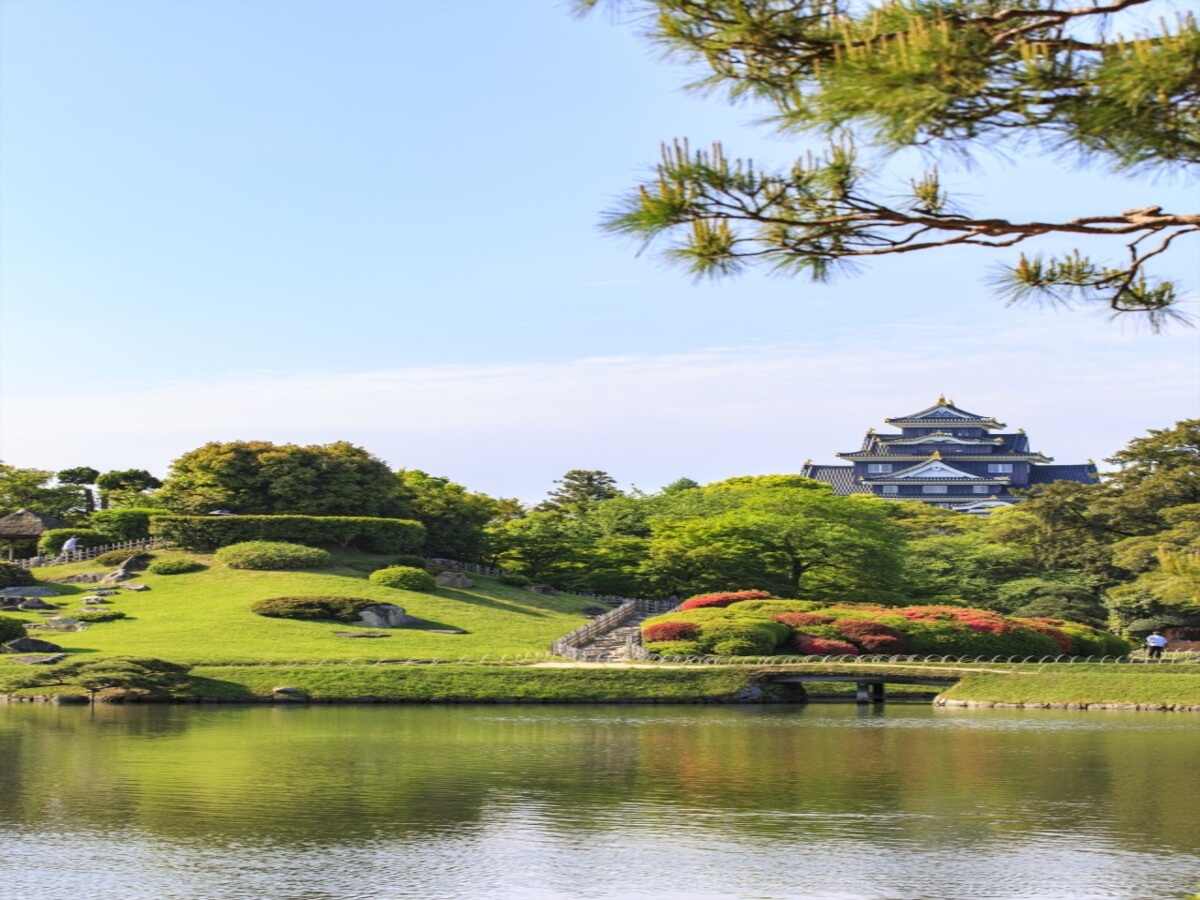
Image Credit: Japan Tourism
Machigatari service can offer a new breath of life to Japan’s smaller towns in terms of tourism because it provides travelers with an opportunity to learn more about the local traditions, cuisine, festivals, craftsmanship, and other interesting things. In small Japanese towns which do not usually attract many tourists unlike Tokyo, Kyoto, and Osaka. There are several hundred municipal areas represented on the website.
Advertisement
Advertisement
Japan has a new digital tool that could change how travellers discover the country. Machigatari, a bilingual town discovery platform created by Takashi Hiraoka, is opening a window onto places that many overseas tourists may never have heard about. As of 7 October 2026, its live website lists 625 towns and municipalities. The platform aims to build profiles covering all 1,741 municipalities across Japan. This could matter for tourism. Instead of sending every visitor towards Tokyo, Kyoto and Osaka, Machigatari can help travellers find hot springs, old towns, islands, festivals, local food, crafts and rural communities across Japan.
Machigatari Is Turning Unknown Japanese Towns Into Discoverable Destinations
Machigatari works like a digital encyclopedia of Japanese places. Each town gets a simple page. The platform looks at its history, landscape, culture and daily life. This gives travellers something very useful: a reason to look at a place they did not know before.
Advertisement
Advertisement
The idea is simple. Tourists cannot visit a hidden town if they never know it exists.
That is where Machigatari could make a real difference. It can put small municipalities beside better-known places inside one easy search system. The platform is free to use. Travellers do not need to register. That removes another barrier for people simply looking for fresh Japan travel ideas.
Advertisement
Advertisement
Japan Wants More Tourists To Look Beyond Its Famous Cities
Machigatari has arrived at an important time for Japanese tourism. Japan’s government wants international visitors to travel more widely across the country.
The Tourism Nation Promotion Basic Plan for 2026 to 2030 calls for stronger regional tourism, greater use of tourism technology and measures that can reduce pressure from overtourism. Japan is still working towards 60 million international visitors and ¥15 trillion in inbound spending by 2030, but it also wants more visitors to spend time in regional destinations.
Advertisement
Advertisement
Machigatari fits that wider direction. It cannot move tourists by itself. But it can show them where else they could go.
Travellers Can Search By Experience Instead Of Knowing A Town Name
One of Machigatari’s biggest strengths is its theme-based search system.
Travellers do not need to type the name of an unknown town. They can start with something they like.
The live platform currently lists 115 municipalities linked with hot springs, 186 with famous festivals, 105 with old streetscapes, 82 with traditional crafts and 100 island destinations. Travellers can also browse places connected with mountains, fishing, camping, local food, fruit growing, sake, tea, castle towns, port towns and shrines.
Advertisement
Advertisement
This changes travel planning. A visitor may start by searching for hot springs and finish by discovering a small town that was never part of the original trip.
Travel-Time Searches Could Make Rural Japan Feel Much Closer
Small Japanese towns can appear difficult to reach. Machigatari tries to make that problem easier to understand.
Its database groups some municipalities by travel time from a city centre. Categories include around 30 minutes, 45 minutes, 60 minutes, 90 minutes and two hours. It also identifies places served by the Shinkansen.
This could be powerful for travellers staying in large cities.
A tourist in Tokyo may think regional Japan requires a long journey. But finding a lesser-known town within 60 or 90 minutes can suddenly turn it into a possible day trip. That can spread visitor spending into cafés, museums, local shops, restaurants and accommodation outside famous tourism centres.
Hidden Towns Could Become The Next Big Repeat-Visitor Experience
Machigatari may be especially useful for travellers who have already visited Japan.
Advertisement
Advertisement
A first-time tourist may still choose Tokyo, Kyoto and Osaka. A second or third visit can look very different. These travellers often want quieter places, deeper culture and something their friends have not already seen.
JNTO is already pushing this idea. Its official Japan’s Local Treasures programme highlights regional food, crafts, nature and cultural experiences. JNTO has also spoken about growing traveller interest in Japan’s “hidden gems”.
On 29 September 2026, JNTO even published recommendations for off-the-beaten-path places to inspire 2027 travel.
Machigatari could feed directly into this growing demand.
Festivals, Crafts And Local Food Could Win New Attention
Regional tourism is not only about famous landmarks. Small experiences can often make a trip special.
Machigatari lets travellers find towns through local identity. Someone may search for traditional crafts. Another traveller may want a historic street. A food lover may look for a sake town, tea-growing area or place known for local cuisine.
Advertisement
Advertisement
This is important because smaller municipalities often have strong stories but weak international visibility.
JNTO is already promoting similar experiences through its regional programmes, including countryside stays, washi paper making, tea plantations, local food and outdoor activities.
Machigatari could give travellers another route into those experiences by making the town itself the starting point.
One Discovery Could Lead Travellers Into A Wider Region
Machigatari is also designed to encourage continued browsing.
Instead of reading about one famous attraction and leaving, visitors can move through different towns and themes. That creates an opportunity for regional travel.
A traveller who first finds one historic town may discover another place nearby. A hot-spring search could lead towards a mountain community. A traditional craft destination might introduce a visitor to another town with food, festivals or old streets.
Advertisement
Advertisement
This is where the platform could have its biggest long-term tourism impact. It can help turn a single destination search into a wider journey.
More stops can mean longer stays. Longer stays can mean greater spending across local economies.
Machigatari Could Help Take Pressure Off Japan’s Tourism Hotspots
Japan’s tourism success also creates challenges. Large numbers of visitors continue to gather around a limited number of famous areas.
The Japan Tourism Agency has made regional dispersal an important part of its current tourism policy. It wants more tourism led by regional communities while also reducing concentrated visitor pressure.
Machigatari offers a simple digital answer to one part of this problem: visibility.
Instead of telling travellers only where not to go, it can show them hundreds of places where they can go.
Advertisement
Advertisement
That positive approach could prove valuable as Japan searches for ways to balance continued tourism growth with better visitor distribution.
Japan’s Hidden-Town Travel Story Is Only Beginning
Machigatari has not yet proved that it can increase visitor numbers. It would be wrong to claim that it has already transformed regional tourism.
But its potential is clear.
The platform currently brings 625 Japanese municipalities into one discovery system, with many more still to come. It gives travellers simple tools to explore places by culture, nature, food, history and access.
That makes Machigatari much more than an online town encyclopedia.
If the project keeps expanding, it could become a powerful digital bridge between Japan’s booming international tourism market and hundreds of communities still waiting to be discovered.
Advertisement
Advertisement
For travellers tired of following the same crowded route, that could make the next great Japan adventure begin with a town name they have never seen before.
Although Machigatari is still in development, its importance to Japan’s future tourism potential is evident. Through creating a place where less well-known towns, local legends, and regional experiences can be accessed all at once through a single platform, the app encourages travelers to consider other destinations in Japan besides the most popular cities. If development continues in the future, Machigatari could help less well-known communities get more exposure, make regional travels longer, and provide access to a new Japan for foreigner.
Advertisement
