
Saudi Arabia Restores Hajj Eligibility for Pilgrims Aged 12 and Above After Reversing Under‑15 Ban — What Travelers Must Know

Published
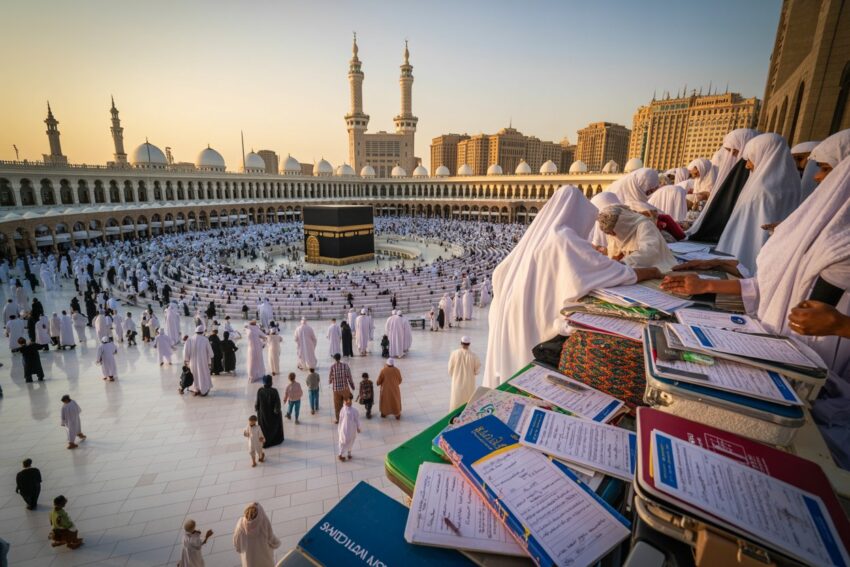
Image generated with Ai
Saudi Arabia’s swift policy reversal on Hajj age eligibility has ignited fresh travel interest across global Muslim communities. Travel and Tour world readers should take note because this development directly influences family travel plans, pilgrimage logistics, visa processing, aviation operations, and tour‑operator strategies for Hajj 2026 and beyond. Saudi Arabia has reversed its recently introduced ban on pilgrims under the age of 15 for the annual Hajj pilgrimage and restored the previous policy that allows children aged 12 and above to participate after a wave of concern from families and participating countries. The kingdom’s decision will shape travel demand, itineraries and ground services in and out of Riyadh, Jeddah and Medina, offering families the opportunity to plan group journeys that include younger pilgrims under 15 years of age, bringing relief and renewed momentum to the global pilgrimage market.
Saudi Arabia’s reversal comes at a critical moment as millions prepare to undertake one of the world’s most significant religious journeys. For travel professionals and pilgrims alike, understanding the implications of this sudden change is essential to planning successful Hajj travel in 2026.
Advertisement
Advertisement
The Reversal: From Restriction to Restoration
Saudi Arabia’s Ministry of Hajj and Umrah communicated that the ban on pilgrims under 15 has been lifted, reinstating the earlier age eligibility which allows those aged 12 and above to perform the pilgrimage. The original restriction had barred pilgrims under 15 from participating in Hajj 2026, triggering cancelled visas and disrupted travel plans for thousands of families across Asia, the Middle East and beyond. The policy was intended to take effect on May 3, 2026, but was reversed within hours after causing widespread concern among Hajj aspirants and travel organisers.
Saudi aviation authorities were also instructed to update travel permissions to align with the restored criteria, giving immediate go‑ahead for affected pilgrims to proceed with their journey planning and visa processing.
Advertisement
Advertisement
Impact on Pilgrims and Families
For many families, especially in Pakistan, India, Bangladesh, Indonesia and other Muslim‑majority countries that send large numbers of Hajj aspirants each year, the reversal lifts a cloud of uncertainty. Children under 15 who were previously denied boarding or saw their visas rejected are now eligible again, provided they meet the restored age requirement of 12 and above. These pilgrims will need to reprocess their visas following the updated guidelines issued by Saudi authorities.
Advertisement
Advertisement
This change not only allows families to travel together but also restores confidence among Hajj operators and travel agents who had scrambled to adjust itineraries, accommodations and flight bookings within a compressed timeframe.
Travel Planning and Visa Logistics
For travel advisors and pilgrims, the policy reversal means immediate adjustments to travel documentation and itinerary planning. Pilgrims whose visas were cancelled or rejected under the brief under‑15 restriction will now have to undergo visa reprocessing under the original age eligibility. This includes securing necessary health clearances, travel authorisations and airline confirmations.
Agents and operators dealing with flight logistics must also account for the increased passenger count, particularly children and accompanying caregivers. Airlines flying Hajj charter services from Pakistan, India and Southeast Asia will need to reconfirm seats, adjust manifests and coordinate with Saudi immigration officials to ensure seamless entry into the Kingdom. This may result in increased demand for seats on flights departing from hubs like Karachi, Lahore, Islamabad, New Delhi, Mumbai, Jakarta and Kuala Lumpur.
Advertisement
Advertisement
Economic and Tourism Implications
Saudi Arabia’s tourism landscape extends far beyond the pilgrimage itself. The Hajj season generates significant economic activity in aviation, hospitality, transportation, and local commerce in Mecca, Medina and surrounding regions. With the restored age policy allowing a broader demographic of pilgrims to attend, the economic impact extends to increased demand for hotel rooms, guided services, local excursions, and ancillary experiences in the Kingdom. Families who travel together tend to spend more on travel‑related services, food and lodging, and organised group tours, boosting revenue for operators both abroad and within Saudi Arabia.
Hotels in Jeddah, Medina and Mecca could see occupancy spikes as groups finalise bookings, particularly for units that cater to families with children, including family suites and larger room configurations that allow multi‑generational travel. Travel and tour companies specialising in Hajj packages may also adjust pricing, group sizes and add‑on services to accommodate the surge in bookings. Larger groups often require tailored logistical support such as private transport, dedicated guides and child‑friendly pilgrimage support, presenting opportunities for specialised service offerings.
Advertisement
Advertisement
Cultural and Religious Significance
The Hajj pilgrimage draws millions of Muslims from around the world to Saudi Arabia each year, fulfilling one of the five pillars of Islam for many believers. Saudi Arabia’s decision to restore access for younger pilgrims aged 12 and above respects the spiritual aspirations of families who view participation in Hajj as a once‑in‑a‑lifetime event. Travel professionals, particularly those in regions with significant Muslim populations, must emphasise the spiritual and cultural importance of this journey when designing itineraries and advising pilgrims on expectations and preparations. Pilgrims, especially those travelling with children, will need to consider the physical and climatic challenges of Hajj, including extreme temperatures and long walking distances. Proper planning for hydration, health check‑ups and travel insurance is critical, particularly for younger travellers who may be more vulnerable to heat and fatigue.
Safety, Health and Logistics Considerations
Travel and tour operators play a vital role in ensuring that pilgrims are well‑prepared for the demanding conditions of the Hajj. Climatic challenges in the Kingdom, especially high daytime temperatures in the desert environment, require careful preparation from families travelling with children. Healthcare planning, including vaccinations, hydration strategies, and contingency protocols for heat‑related illnesses, should be incorporated into travel guidance. Pilgrims are now advised to consult healthcare providers before travel and to carry necessary medications and emergency supplies.
Airlines and international airports must coordinate efficient transit and connectivity services, recognising that larger family cohorts will likely require additional boarding support, baggage handling and in‑flight assistance. Communicating with Saudi aviation authorities to streamline passenger processing and mitigate delays at immigration checkpoints is critical, especially with the influx of reprocessed visas and altered flight schedules.
Strategies for Tour Operators
For travel businesses and Hajj operators, this policy reversal presents a moment to recalibrate offerings and capture heightened travel demand. Tailored packages that include family‑friendly services, advance visa support, flexible cancellation policies and detailed health guidance will resonate strongly with pilgrims. Operators should anticipate increased interest and communicate clearly about timelines for visa reprocessing, flight options and accommodation availability. Collaborative arrangements with airlines and local Saudi partners can help secure space and pricing amid the busy Hajj season. Travel agencies should also leverage digital platforms and mobile communication to update clients on changing regulations, required documentation and pre‑departure checklists. This helps build trust and enhances the overall travel experience for participants who may be nervous about last‑minute policy shifts.
Outlook for Hajj 2026 Travel
As Hajj 2026 approaches, the restored age eligibility broadens participation and alleviates planning uncertainties for families worldwide. Travel and tour stakeholders must remain attentive to any further regulatory adjustments from Saudi authorities. This includes monitoring updates on accommodation policies, transportation arrangements and health and safety advisories that may affect pilgrim experiences and logistics. By offering comprehensive guidance and adaptable travel packages, the travel industry can support pilgrims in navigating the complexities of Hajj travel, ensuring safe, fulfilling and spiritually meaningful journeys.
Advertisement
