
London Stansted Aligns Palma de Mallorca, Alicante and Others Fall in Line of Routes Getting Reject and Cut Extending into 2027 by this European Airline

Published
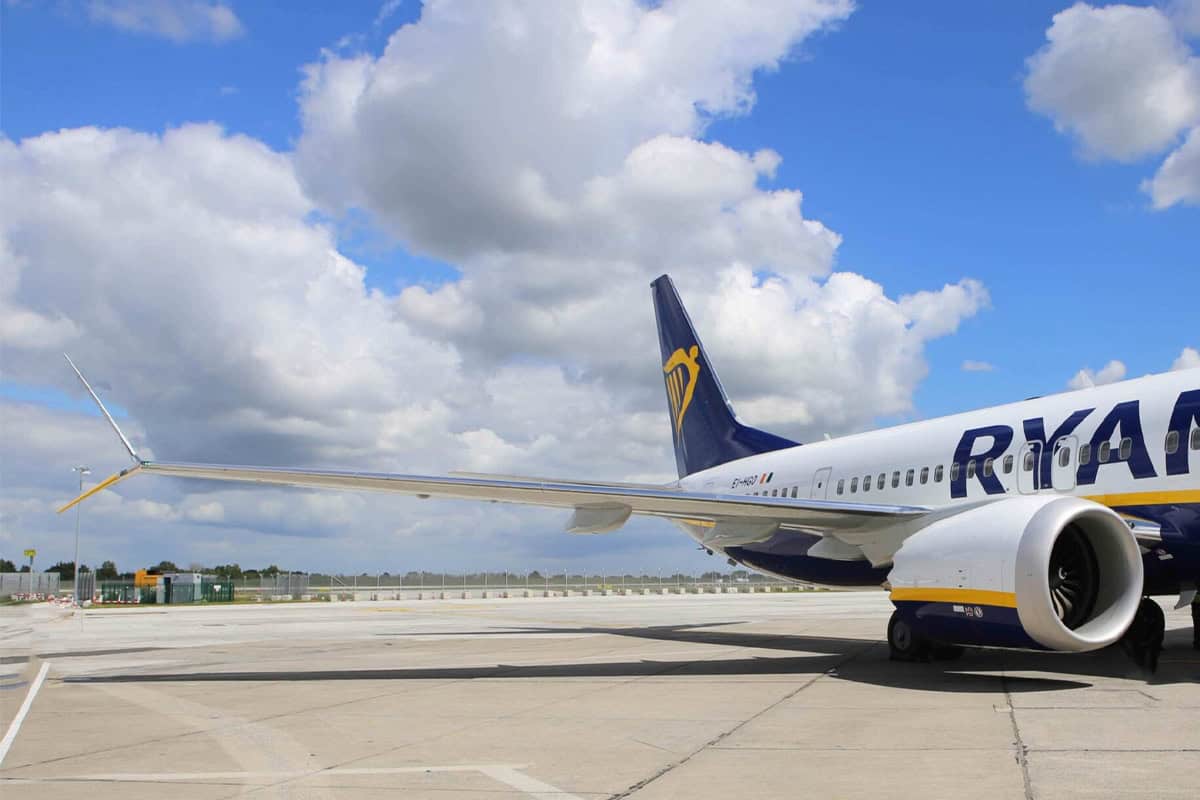
European flight cuts 2027 reflect a major operational shift across global aviation as carriers restructure networks to safeguard profitability. High airport access fees, rising fuel expenses, and steep local aviation levies are pushing major budget and long-haul airlines to eliminate key transatlantic and intra-European routes. Low-cost giant Ryanair, alongside international operators like Canada’s WestJet and Air India, have confirmed extensive route withdrawals starting late 2026 and extending through 2027. Understanding these route cancellations is essential for travellers, airport authorities, and economic planners adapting to reduced international connectivity and shifting regional tourism markets.
The Escalating Cost of European Aviation
The European civil aviation sector is undergoing a period of structural realignment. Over the past three years, rising operational expenditures—including jet fuel price volatility, inflationary wage demands, and rising airport service tariffs—have put pressure on carrier margins. In response, commercial airlines are taking a strict return-on-investment approach to schedule planning. Routes that fail to generate required profit margins are being systematically eliminated in favour of markets offering lower regulatory burdens, reduced landing fees, or direct legislative incentives.
A major factor driving these schedule adjustments is the divergence in regulatory and fiscal policy across European jurisdictions. Countries that have increased national aviation taxes—such as Germany, which enacted an approximate 20 per cent increase in its Luftverkehrsabgabe (air passenger tax)—are seeing carriers reallocate capacity to lower-cost markets like Italy, Sweden, and Albania. Meanwhile, transatlantic and long-haul international carriers are trimming secondary routes to protect yields, reflecting broader structural changes in global route networks.
Latest Official Developments: Ryanair Prepares Complete Exit from Bremen Airport
In a major operational withdrawal from Northern Germany, Irish ultra-low-cost carrier Ryanair announced a total shutdown of its operations at Bremen Airport (BRE), effective April 2027. The decision marks the complete exit of the airline from the hub, ending year-round and seasonal services that accounted for roughly 500,000 passenger seats annually.
Advertisement
Advertisement
+-----------------------------------------------------------------------------------+
|                        RYANAIR BREMEN AIRPORT EXIT SUMMARY                        |
+------------------------------------+----------------------------------------------+
| Effective Date                     | April 2027                                   |
+------------------------------------+----------------------------------------------+
| Annual Capacity Lost               | ~500,000 seats per year                      |
+------------------------------------+----------------------------------------------+
| Key Cancelled Routes               | Alicante (ALC), Málaga (AGP),                |
|                                    | Palma de Mallorca (PMI), London Stansted (STN)|
+------------------------------------+----------------------------------------------+
| Primary Stated Causes              | High airport charges, German aviation tax    |
+------------------------------------+----------------------------------------------+
The executive leadership of Ryanair attributed the complete termination of services directly to rising municipal airport fees and federal tax burdens. The complete cancellation of routes from Bremen includes key international connections:
- Alicante, Spain (ALC)
- Málaga, Spain (AGP)
- Palma de Mallorca, Spain (PMI)
- London Stansted, United Kingdom (STN)
According to official regional statistics, the loss of Ryanair’s flights removes nearly 20 per cent of Bremen Airport’s total annual passenger volume. State authorities in Bremen confirmed that fee negotiations stalled after the airline demanded cost structures that regional authorities declared inconsistent with European Union state aid regulations.
Advertisement
Advertisement
Broadening Reductions Across Germany: Berlin and Hamburg Impacted
Ryanair’s departure from Bremen forms part of a wider scale-back across the German aviation landscape. For the winter 2026/2027 schedule, the airline is reducing its overall seat capacity in Germany by 10 per cent, cutting approximately 700,000 seats.
+-----------------------------------------------------------------------------------+
|                       RYANAIR GERMAN CAPACITY REDUCTIONS                          |
+------------------------------------+----------------------------------------------+
| Overall German Seat Reduction      | -10% (~700,000 seats) for Winter 2026/2027    |
+------------------------------------+----------------------------------------------+
| Berlin Brandenburg (BER)           | Base closed; capacity halved; 12 routes cut; |
|                                    | 7 aircraft relocated abroad                  |
+------------------------------------+----------------------------------------------+
| Hamburg Airport (HAM)              | Capacity reduced by ~5%                      |
+------------------------------------+----------------------------------------------+
| Historical Base Closures           | Frankfurt, Düsseldorf, Stuttgart, Dresden,   |
| (Since 2019)                       | Leipzig, Dortmund                            |
+------------------------------------+----------------------------------------------+
- Berlin Brandenburg Airport (BER): The airline closed its operational base at BER, cutting its capacity by 50 per cent, dropping 12 routes, and relocating seven based aircraft to other European jurisdictions.
- Hamburg Airport (HAM): Operational capacity has been cut by approximately 5 per cent for the upcoming schedule period.
This trend follows a series of operational exits by the airline from other German locations since 2019, including Frankfurt, Düsseldorf, Stuttgart, Dresden, Leipzig, and Dortmund. Aircraft removed from Germany are being redeployed to countries that have actively lowered or abolished aviation taxes, such as Sweden, Italy, and Albania.
Advertisement
Advertisement
Non-European Carriers Purge Key Routes for 2026/2027
The reduction in European connectivity extends beyond regional budget carriers. Multiple non-European international airlines have officially adjusted their operational schedules, removing long-haul European routes ahead of the 2026/2027 traffic seasons.
WestJet Cancels Transatlantic Connections
Canadian carrier WestJet has removed three long-haul European routes from its Summer 2027 schedule. Citing soft yield performance, shifting leisure demand, and high international fuel costs, the airline has scrubbed seasonal services that were introduced in recent years:
+-----------------------------------------------------------------------------------+
|                    WESTJET CANCELED EUROPEAN ROUTES (SUMMER 2027)                  |
+----------------------------------------+------------------------------------------+
| Origin                                 | Destination                              |
+----------------------------------------+------------------------------------------+
| Halifax Stanfield (YHZ)                | Copenhagen Airport (CPH)                 |
+----------------------------------------+------------------------------------------+
| Halifax Stanfield (YHZ)                | Adolfo Suárez Madrid–Barajas (MAD)       |
+----------------------------------------+------------------------------------------+
| Toronto Pearson International (YYZ)    | Glasgow Airport (GLA)                    |
+----------------------------------------+------------------------------------------+
The cancellation of the Halifax routes represents a setback for Atlantic Canada’s direct connectivity to Scandinavia and Southwestern Europe, while the removal of the Toronto–Glasgow service reduces direct seat capacity between Ontario and Scotland.
Air India Re-aligns European Network
India’s flag carrier, Air India, has filed schedule updates removing several non-stop European services. Facing aircraft availability adjustments and yield management restructuring, the carrier has scheduled route suspensions:
Advertisement
Advertisement
+-----------------------------------------------------------------------------------+
|                  AIR INDIA EUROPEAN ROUTE CANCELLATIONS (LATE 2026)               |
+-------------------------+-------------------------+-------------------------------+
| Route                   | Frequency / Aircraft    | Effective Date                |
+-------------------------+-------------------------+-------------------------------+
| Amritsar – London Gatwick| 3x Weekly (Boeing 777)  | 25 October 2026               |
+-------------------------+-------------------------+-------------------------------+
| Delhi – Copenhagen      | 4x Weekly (Boeing 787)  | 25 October 2026               |
+-------------------------+-------------------------+-------------------------------+
| Delhi – Vienna          | 4x Weekly (Boeing 787)  | 01 November 2026              |
+-------------------------+-------------------------+-------------------------------+
| Delhi – Birmingham      | 3x Weekly (Boeing 777)  | 04 November 2026              |
+-------------------------+-------------------------+-------------------------------+
These network adjustments reduce direct connectivity between secondary UK cities and northern Indian hubs, while streamlining Air India’s main European operations toward central primary hubs.
Government Initiatives, Public Policy, and Tax Regimes
The ongoing operational reallocations highlight the impact of state fiscal policy on international commercial aviation. In Germany, the federal government’s decision to increase the aviation tax (Luftverkehrsabgabe) was designed to raise fiscal revenues and encourage environmental modal shifts toward rail transport. However, aviation industry bodies have argued that these tax increases harm the competitiveness of regional airports.
+-----------------------------------------------------------------------------------+
|                   COMPARATIVE AVIATION TAX AND FEE REGIMES                        |
+-------------------------+---------------------------------------------------------+
| Jurisdiction            | Fiscal Strategy & Airline Impact                        |
+-------------------------+---------------------------------------------------------+
| Germany                 | High aviation tax (+20%), high security/landing fees;   |
|                         | results in carrier exits (e.g., Ryanair from Bremen)    |
+-------------------------+---------------------------------------------------------+
| Sweden / Italy / Albania| Reduced or abolished aviation levies;                   |
|                         | attracts reallocated capacity and fleet expansion       |
+-------------------------+---------------------------------------------------------+
While nations like Sweden have chosen to reduce or repeal aviation departure taxes to stimulate passenger traffic, jurisdictions retaining high tax structures face capacity cuts by low-cost operators. Regional airport operators, bound by strict European Union state aid guidelines, often cannot offer offset subsidies, leading to standoffs with budget carriers.
Official and Statements from Key Stakeholders
Official statements from corporate executives and government officials highlight the debate surrounding airport charges and public policy:
Jason McGuinness, Chief Commercial Officer, Ryanair:
“The decision to leave Bremen is a direct result of the airport’s high charges and Germany’s excessive aviation tax. Ryanair will continue to reallocate aircraft capacity to lower-cost airports in other European nations that incentivize traffic growth.”
Advertisement
Advertisement
Kristina Vogt, Senator for Economy, Ports and Transformation, Bremen:
“The fee demands presented by Ryanair were incompatible with state aid regulations and would have required public infrastructure to be made available without adequate financial returns. The state cannot bypass statutory legal frameworks.”
Economic, Tourism, and Industry Impact
+-----------------------------------------------------------------------------------+
|                            MULTI-SECTOR IMPACT ANALYSIS                           |
+-------------------+---------------------------------------------------------------+
| Sector            | Key Consequences                                              |
+-------------------+---------------------------------------------------------------+
| Regional Airports | Deficits increase (e.g., Bremen €13M deficit); need for       |
|                   | restructuring managers and operational expenditure cuts       |
+-------------------+---------------------------------------------------------------+
| Local Tourism     | Loss of direct incoming visitor traffic; reduced hotel and    |
|                   | hospitality spending in secondary urban regions               |
+-------------------+---------------------------------------------------------------+
| Consumer Pricing  | Tightened seat supply leads to higher average fares across    |
|                   | remaining short-haul European and transatlantic routes        |
+-------------------+---------------------------------------------------------------+
The loss of 500,000 seats at Bremen Airport creates economic challenges for the region. Facing a pre-existing deficit of roughly €13 million, Bremen Airport authorities announced plans to appoint an official restructuring manager to cut costs.
- Tourism Expenditures: Local hospitality and tourism businesses face lower incoming visitor numbers from key Mediterranean and British feeder markets.
- Consumer Airfares: Reduced competition and fewer available seats are expected to pressure ticket prices upward across European short-haul routes.
- Secondary Market Vulnerability: Airports reliant on single low-cost carriers face ongoing volatility, as airlines quickly reallocate fleet assets across international markets.
Future Outlook: European Aviation Beyond 2027
Looking toward late 2027, European commercial aviation is poised for further consolidation around high-yield primary hubs. As airlines adapt to strict fleet deliveries, high fuel prices, and environmental mandates under the European Union’s ReFuelEU Aviation initiative, route network planning will prioritize profit margin over market share expansion.
Regional airports in high-tax jurisdictions face pressure to diversify revenue streams, target regional niche carriers, or secure specialized freight logistics to maintain financial viability. Meanwhile, international carriers from North America and Asia will continue to review direct routes to secondary European cities, balancing network connectivity against operating yield requirements.
European flight cuts 2027 highlight the impact of aviation taxes, high airport charges, and operational cost pressures on global airline networks. The withdrawal of key carriers like Ryanair from regional hubs such as Bremen, alongside transatlantic route cuts by WestJet and network adjustments by Air India, marks a shift toward operational consolidation. As airports restructure and policy makers evaluate the balance between public revenue and regional connectivity, air travel across Europe will be shaped by strict carrier cost management and shifting destination economics.
Advertisement
