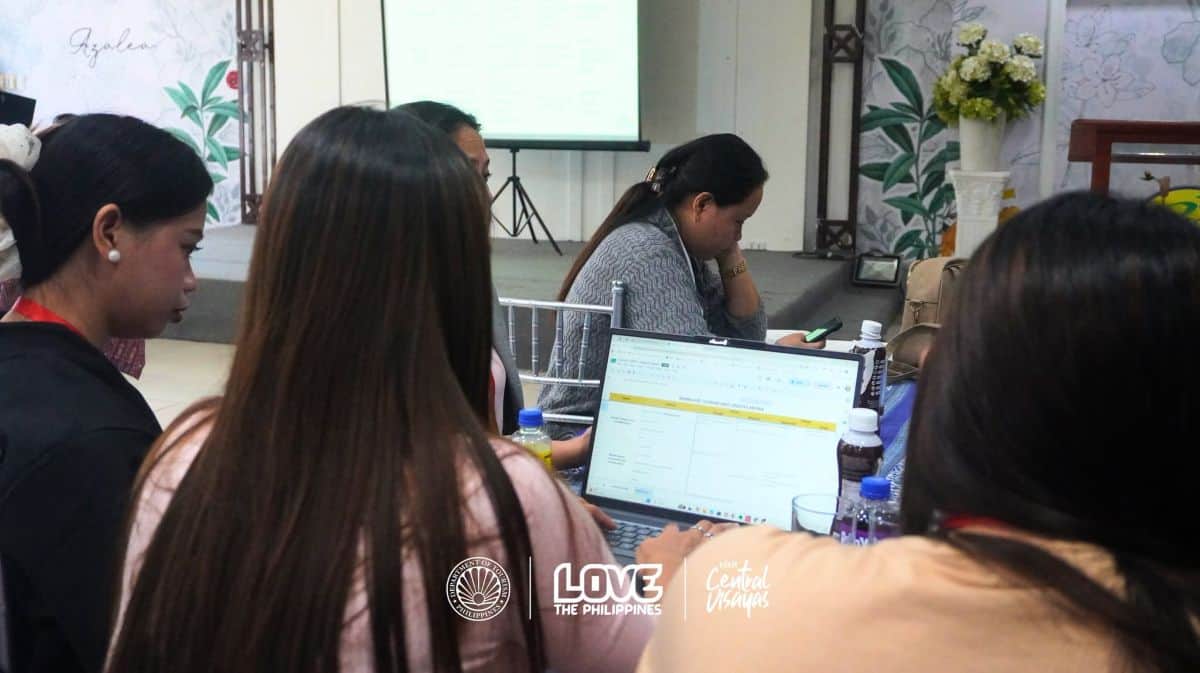
Local tourism officers in Bohol have been introduced to the Local Tourism Development Planning (LTDP) Programme by the Department of Tourism Central Visayas Office (DOT7). The programme is meant to help in creating more sustainable, competitive, and resilient destinations within the province. The first stage of the programme took place from 20 to 23 July 2026 at Reyna’s Haven and Gardens in Tagbilaran City, Bohol.
It seeks to provide local government units (LGUs) with knowledge and skills that will enable them to plan and manage their tourism destinations according to the National Tourism Development Plan (NTDP) 2023–2028. In this way, they will be able to implement effective tourism policies and management of tourism destinations. Such initiatives in the Philippines indicate the country’s increased emphasis on the development of sustainable tourism.
The LTDP programme is being implemented by the Planning and Statistics Unit under the Tourism Development Division (TDD) of DOT7. The programme focuses on strengthening the ability of LGUs to design tourism plans based on research, data analysis and local opportunities. Tourism officers are being trained to identify challenges, evaluate tourism assets and develop strategies that respond to the specific conditions of their communities.
Local tourism planning has become increasingly important as destinations face changing visitor expectations, environmental pressures and the need for balanced development. By improving planning skills at the local level, the DOT aims to create stronger tourism systems where communities can better manage growth and maximise economic benefits. The programme also supports collaboration between national tourism authorities and local governments, ensuring that destination strategies align with broader national tourism objectives.
Advertisement
Advertisement
Before the programme began, the DOT Central Visayas team conducted a courtesy meeting with Bohol Governor Erico Aristotle Aumentado to strengthen cooperation between the national tourism agency and the provincial government. The meeting highlighted the shared commitment to improving tourism governance and developing more resilient destinations throughout Bohol. Strong cooperation between government institutions is considered essential for successful tourism planning because destination development requires coordination across infrastructure, community engagement, environmental management and visitor services.
Bohol is already recognised as one of the Philippines leading tourism destinations, known for its natural attractions, cultural heritage and unique landscapes. Through stronger planning frameworks, local authorities aim to improve tourism experiences while ensuring that growth remains sustainable and inclusive.
The LTDP sessions introduced participants to key tourism planning principles, national tourism policies and strategic tools designed to improve decision-making. Technical sessions were led by Kenneth Lorenz Ruedas, Senior Tourism Operations Officer from the Office of Tourism Development Planning, Research and Information Management (OTDPRIM) of the DOT Central Office. Participants were introduced to the Sustainable Multi-Attraction Tourism Travel Analysis (S-MATTA) Tool, including the Tourism Site Ranking Exercise.
These tools help tourism planners evaluate destinations based on data, identify priority tourism sites and determine where investment and development efforts should be focused. A data-driven approach allows local governments to make better decisions while balancing tourism expansion with environmental protection and community needs. The use of structured assessment tools is becoming increasingly important as destinations compete for visitors in a rapidly changing global tourism market.
The training included practical workshops focused on important tourism planning methods such as Problem Tree Analysis, SWOT Analysis, Objective Analysis, Stakeholder Management, Tourism Strategies and Tourism Circuits. Through these exercises, participants analysed local tourism challenges, identified opportunities and developed possible solutions based on the needs of their respective municipalities and cities.
The workshops encouraged tourism officers to examine destinations from multiple perspectives, including visitor experience, infrastructure, community involvement and long-term sustainability. By creating tourism circuits and strategic interventions, local authorities can improve destination connectivity and encourage visitors to explore more areas beyond established attractions. These planning methods are designed to help Bohol communities create tourism products that are competitive, inclusive and aligned with sustainable development principles.
Provincial Tourism Officer Joanne Pinat welcomed participants and highlighted the importance of strengthening local tourism governance through capacity-building initiatives. She encouraged tourism officers to use the knowledge gained from the programme to create responsive and sustainable Local Tourism Development Plans.
Strong local planning can help Bohol continue growing as a tourism destination while ensuring that communities benefit from increased visitor activity. Sustainable tourism development requires collaboration between government agencies, businesses, residents and tourism stakeholders. By improving local expertise, the LTDP programme supports communities in creating tourism strategies that reflect their unique cultural, environmental and economic strengths.
The programme also featured a presentation by OIC-Regional Director Gelena Asis-Dimpas focusing on “Mabuhay! Discover More to Love the Philippines: Tourism Destination Reputation Management.” The session highlighted the important role of LGUs in building strong destination identities and maintaining visitor confidence. Topics included responsible governance, authentic destination branding, quality visitor experiences, effective issue management and community participation.
In today’s tourism environment, destination reputation plays a major role in influencing traveller decisions. A strong reputation depends not only on attractions but also on service quality, safety, sustainability practices and how communities engage with visitors. The session encouraged local tourism leaders to take an active role in shaping how their destinations are perceived nationally and internationally.
The first LTDP session concluded with participants identifying and prioritising tourism programmes, projects and activities that will form the foundation of their Local Tourism Development Plans. These outputs will continue to be developed during the next LTDP Sessions 2 and 3, ensuring that final plans are practical, achievable and connected with sustainable tourism objectives. The programme provides local tourism officers with a structured approach to transforming ideas into implementable strategies.
By focusing on planning, cooperation and sustainability, Bohol’s tourism stakeholders can better prepare for future opportunities and challenges. The initiative also supports the Philippines goal of developing destinations that provide meaningful experiences for visitors while creating lasting benefits for local communities.
Bohol’s involvement in the establishment of the Local Tourism Development Planning Program is yet another move toward improved tourism governance in Central Visayas. The DOT’s provision of strategic planning techniques, information and sustainability measures to LGUs means that destinations will be prepared for greater competition and resilience. The involvement of Bohol in the program is a clear indication of how important it is for local people to be at the core of tourism development.
The growing demand of global travelers for responsibly developed destinations means that good local planning will be crucial in the future. Through programs like LTDP, the Philippines moves forward with the development of its tourism industry.
Image Source: DOT Central Visayas
Advertisement
Tags: Bohol destination management, Bohol tourism planning programme, DOT7 LTDP initiative, Local Tourism Development, Philippines Sustainable Tourism
Advertisement
Advertisement













Monday, September 7, 2026
Monday, September 7, 2026

Monday, September 7, 2026

Monday, September 7, 2026

Monday, September 7, 2026

Monday, September 7, 2026