

South Korea, Singapore, Japan, India, Thailand, Malaysia, and the Philippines are Leading the Asia Tourism Sector Boom with Record Tourist Arrivals, Unforgettable Luxury Experiences, and Pioneering Sustainable Practices
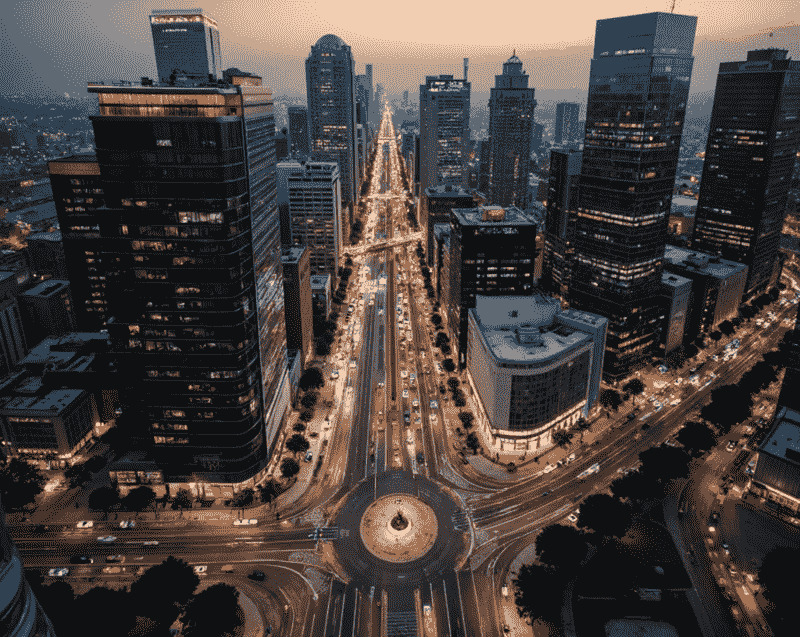 Image generated with Ai
South Korea, Singapore, Japan, India, Thailand, Malaysia, and the Philippines are powering Asia’s tourism boom with record-breaking arrivals, unforgettable luxury stays, and bold sustainable tourism efforts. These destinations are not just bouncing back but setting new global standards in travel experiences, luxury hospitality, and responsible tourism.
South Korea Welcomes Over Sixteen Million Visitors in 2024, Marking a Phenomenal Recovery
South Korea’s tourism story in 2024 is nothing short of inspiring. After years of pandemic-related setbacks, the country staged a roaring comeback by welcoming around 16.37 million international visitors, a remarkable 48.4% surge from the previous year, following the 11.03 million tourists recorded in 2023. This recovery now brings South Korea to an incredible 94% of its record-setting 2019 levels.
Advertisement
Advertisement
South Korea’s Tourism Spending Hits Record Highs with K-Wave Driving Global Fascination
Tourism has once again become a vibrant pillar of South Korea’s economy, fueled by the global fascination with Korean culture—the irresistible pull of K-pop, K-dramas, beauty, and food. More than ever, travelers are seeking authentic experiences across Seoul’s glittering cityscape, Busan’s golden beaches, and Jeju’s serene volcanic landscapes.
Spending patterns tell an even bigger success story. In 2024, foreign visitors spent a record-breaking 9.6 trillion won, a 33.8 % jump over 2023. Hotels and accommodations alone captured 33.9% of all tourist spending, reflecting the country’s growing appeal as a luxury destination.
Advertisement
Advertisement
South Korea’s Luxury Hotels Redefine High-End Travel Across Seoul, Busan, and Jeju
Despite some fluctuations in hotel performance during mid-2024, the market overall demonstrated resilience. In Seoul and Incheon, hotel occupancy as of August 2024 saw a healthy 33.9% point rise year-over-year, while average room rates climbed by 8.6%. This momentum helped drive a strong 14.7% increase in RevPAR (Revenue per Available Room), signaling a robust appetite for upscale travel experiences.
Luxury hotels, particularly in Seoul, have taken center stage. The five-star hotel sector reached an average daily rate (ADR) of three hundred and six thousand won in 2023—the highest ever recorded. Occupancy rates for luxury properties soared back to over 95% of pre-pandemic levels, propelled by the Korean Wave’s global influence and surging demand for personalized, high-end stays.
Advertisement
Advertisement
Even regionally, South Korea’s hotel market showed nuanced growth. Busan, famed for its vibrant beaches and cultural festivals, achieved a 68.4% occupancy rate among its five-star hotels—the highest on record—thanks to landmark properties like Signiel and Grand Josun. Meanwhile, Jeju adapted to shifting traveler profiles by expanding its offering of budget-friendly one- and two-star accommodations for solo travelers.
South Korea Attracts a Diverse Range of Global Travelers with Record-Breaking Arrivals
The energy behind South Korea’s tourism resurgence is also reflected in the diversity of its visitors. In 2024, Chinese tourists topped the charts with 4.6 million arrivals, lured by duty-free shopping and K-drama filming locations. Japanese travelers followed closely at 3.22 million, favoring quick getaways to Busan and Jeju, while visitors from Taiwan and the United States contributed significantly to the bustling tourism scene.
All told, about 13.1 million of South Korea’s visitors in 2024 hailed from other Asian nations, highlighting its growing regional dominance. The Americas and Europe contributed around 1.7 million and 1.1 million visitors respectively, showing that Korea’s magnetic pull spans continents.
South Korea’s Future in Tourism Shines Bright with Innovation, Culture, and Sustainability
With bold new luxury offerings, a booming cultural wave, and a solid foundation of sustainable tourism practices, South Korea has proven that its tourism sector isn’t just back—it’s setting the pace for Asia’s next travel renaissance.
Exploring Hwaseong Fortress in Suwon, South Korea
Top Choice in Suwon
Visiting Suwon isn’t complete without experiencing the stunning Hwaseong Fortress, a UNESCO World Heritage Site that proudly encircles the old town. Built by King Jeongjo and completed in 1796, the fortress stretches a scenic 5.7 km around the city, climbing up and down the slopes of Paldal-san (143 meters). This historic wall, constructed with earth, large stone blocks, and grey bricks, remains remarkably well-preserved and fully restored, offering a vivid glimpse into Korea’s past.
Highlights of Hwaseong Fortress
- Majestic Gates and Watchtowers:
The fortress features four grand gates, multiple command posts, pavilions, observation towers, and ancient fire-beacon platforms that once protected the city. - Paldalmun (South Gate):
Start your journey at Paldalmun (팔달문), also known as Nammun (South Gate). This is the most iconic of the four gates, standing proudly in the center of Suwon on a bustling roundabout. - Scenic Walking Trail:
Walking the entire circuit takes about two hours. For the best experience, step outside the walls at certain sections to admire the fortress the way an ancient enemy would have seen it—imposing and awe-inspiring. - Seonam Gangu (South-West Pavilion):
From Paldalmun, follow the steep stairs to your left, leading to Seonam Gangu (서남각루), a picturesque observation point near the summit of Paldal-san. - Seojangdae (Western Command Post) and Hyowon Bell:
At the top, you’ll reach Seojangdae (서장대) and the impressive Hyowon Bell. For just ₩1000, you can ring the bell three times—a popular activity among visitors. - Seonodae (West Crossbow Platform):
Also near the summit is Seonodae (서노대), an octagonal platform where crossbow archers once stood guard. From here, you’ll enjoy spectacular panoramic views over Suwon’s cityscape.
Tips for Visitors
- Wear comfortable shoes: The hike involves several steep staircases and rugged paths.
- Visit during sunset: The golden hour light makes the fortress walls and city views even more magical.
- Bring water: Especially during warmer months, as the full circuit can be physically demanding.
Singapore: Breaking Tourism Records with Luxury, Innovation, and Resilient Growth
 Image generated with Ai
Singapore Welcomes Over Sixteen Million Visitors in 2024, Achieving Post-Pandemic Highs
Singapore’s tourism sector delivered a remarkable performance in 2024, proudly welcoming around 16.5 million international visitors. This represents a powerful 21% surge over 2023, marking the city-state’s highest visitor numbers since the COVID-19 pandemic.
Advertisement
Advertisement
With a strong recovery trajectory, Singapore is confidently marching towards its pre-pandemic peak of 19.1 million visitors, a clear testament to its enduring global appeal as a vibrant, world-class destination.
Singapore’s Tourism Revenue Surpasses All Expectations, Setting a New Spending Record
The real success story lies not just in visitor numbers but in spending patterns. Singapore’s tourism receipts in 2024 are expected to hit between S$27.5 billion and S$29.0 billion (approximately 20.3 billion to 20.4 billion USD), setting an all-time high.
In fact, tourism receipts between January and September 2024 already reached S$22.4 billion, marking a ten percent increase compared to the same period in 2023. By year-end, Singapore shattered past revenue records, with Travel and Tourism projected to contribute $66.1 billion to its economy — nearly nine point eight percent of the national GDP.
It’s not just a rebound; it’s a bold reinvention of Singapore as a premium tourism powerhouse.
Singapore’s Hotel Industry Shines with Soaring Occupancy and Rising Room Rates
Singapore’s hotel sector rode this tourism boom with style. The average occupancy rate (AOR) reached an impressive 81.8 percent in 2024, a significant rise from 80.5 percent the previous year.
Average Room Rates (ARR) also climbed to $276 USD, with Revenue per Available Room (RevPAR) growing by three percent year-on-year to $226 USD. Even luxury hotels soared to new heights, with top-end room rates surging by fifty-six percent—from $486 USD in 2019 to a whopping $757 USD in 2024.
Advertisement
Advertisement
The hotel landscape got even more exciting with 1,421 new hotel keys entering the market, featuring buzzworthy openings like The Standard Singapore, Into the Woods, and Mercure ICON Singapore City Centre. Luxury, creativity, and bold hospitality experiences are setting new benchmarks across the Lion City.
Singapore Draws Record-Breaking Numbers from China, India, and Indonesia
Singapore’s strong air connectivity and visa facilitation policies have powered its diverse visitor mix.
- China topped the charts in 2024, contributing over three million arrivals.
- Indonesia followed closely with around two point five million arrivals.
- India surged into the top three with one point two million Indian travelers choosing Singapore for business, leisure, weddings, and wellness escapes.
In fact, India’s remarkable growth highlights Singapore’s evolving tourism landscape—diverse, dynamic, and future-ready. Additional strength came from Japan, Taiwan, the United Kingdom, and the United States, underscoring Singapore’s global magnetism.
Changi Airport’s total international seat capacity also soared by fifteen percent year-on-year, reaching ninety-eight percent of 2019 levels, making access to Singapore smoother and faster than ever before.
Singapore’s Vision for the Future: Sustainable Tourism and Unstoppable Growth
Beyond the 2024 victories, Singapore is already planning ahead. Officials are aiming to boost tourism revenue even further to a staggering $47 billion to $50 billion USD over the next 15 years. The focus: sustainable tourism, smart technology, and enriching visitor experiences.
Singapore isn’t just welcoming travelers back—it’s shaping the future of global travel with unmatched resilience, innovation, and luxury.
Advertisement
Advertisement
City Guide: Discover the Battlebox in Singapore’s Colonial District
Top Choice in Colonial District, the Quays & Marina Bay
Step into a gripping chapter of history at the Battlebox Museum, a must-visit site located beneath Singapore’s iconic Fort Canning Hill. Once the underground command center for the British during World War II, this 26-room bunker offers a fascinating, chilling journey back to one of the nation’s most pivotal moments.
Highlights of the Battlebox Experience
- Authentic WWII Bunker:
The Battlebox is a meticulously restored wartime complex. Thanks to the efforts of war veterans and Britain’s Imperial War Museum, the atmosphere feels hauntingly real. - Life-Size Historical Reenactments:
Walk through the eerily quiet rooms where life-size models re-enact the tense moments leading up to the British surrender to Japanese forces on 15 February 1942. Every room tells a powerful story of strategy, uncertainty, and human emotion. - Original Wartime Details:
Look closely—Japanese Morse codes are still etched into the bunker walls, offering an authentic and sobering glimpse into the past. - Guided Tours:
Expert-led tours take you deep into the Battlebox’s history, explaining how crucial decisions were made underground while the world above changed forever. The tours are immersive, detailed, and ideal for history enthusiasts.
Visitor Information
- Recommended Age:
Due to the length of the tours and the underground environment, the museum is recommended for children aged eight and above. - Atmosphere:
Prepare for dimly lit corridors, narrow spaces, and a sense of stepping back into a wartime reality. - Tour Duration:
Allow at least one to one and a half hours to fully explore the complex with a guide.
Tips for Visitors
- Book tours in advance: Slots can fill up quickly, especially on weekends and holidays.
- Wear comfortable footwear: You’ll be on your feet throughout the tour inside a cool, enclosed underground space.
- Stay after your tour: Fort Canning Park, just above the Battlebox, is a beautiful place to relax and reflect on Singapore’s rich history.
Japan: Setting New Tourism Records with a Blend of Timeless Tradition and Unforgettable Luxury
 Image generated with Ai
Japan Achieves Over Thirty-Six Million Tourist Arrivals, Rekindling Its Global Appeal
Japan has made a breathtaking return to the global travel spotlight. In 2024, the country welcomed an astonishing 36.87 million international visitors, a giant leap from 25.07 million in 2023. This surge places Japan almost back at its 2019 peak, solidifying its reputation as one of Asia’s most magnetic destinations.
Tourism has become a powerful engine for Japan’s economy once again, contributing 7.1 % of GDP in 2023 with a value of JPY 41.8 billion. That’s a 30.4 percent jump compared to the previous year, showing how essential travelers are to Japan’s post-pandemic growth story. With a steady 0.5 percent real GDP growth forecast for 2024, tourism’s comeback is helping Japan move confidently into the future.
Japan’s Tourism Revenue Soars Past Fifty-Three Billion Dollars Amid Luxury Travel Surge
Visitors are not just coming back—they are spending more than ever. Japan’s tourism revenue is projected to reach 53.3 billion USD in 2024, a sharp climb from 38.6 billion USD the previous year. This dramatic increase shows that travelers are seeking longer stays, richer experiences, and deeper cultural immersion.
Pent-up demand, attractive exchange rates due to the weakened yen, and Japan’s endless mix of history, innovation, and natural beauty have created the perfect storm for tourism success.
Japan’s Luxury Hotels Drive a Hospitality Renaissance Across Major Cities
Japan’s hotel industry tells an equally exciting story. In 2024, the average room occupancy rate for Tokyo accommodations hit 76.3 percent, the highest among major cities like Osaka and Fukuoka. After struggling during the pandemic, occupancy rates have staged a stunning comeback, reaching 60.5 percent nationwide in 2024.
Advertisement
Advertisement
Tokyo’s luxury hospitality sector is booming. With the demand for premium stays soaring, the city is witnessing a wave of both local and internationally-branded luxury hotels entering the market. Key hotel performance indicators paint a vivid picture:
- Occupancy rose by 2.2%.
- Average Daily Rate (ADR) soared by 24.4 %.
- Revenue Per Available Room (RevPAR) skyrocketed by 27.9 % compared to the same time last year.
Not to be outdone, Osaka also enjoyed steady hotel performance gains, further cementing Japan’s image as a global luxury travel hotspot.
Japan’s Diverse Visitor Base Fuels a Dynamic Tourism Rebound
Tourists from across Asia continue to form the bedrock of Japan’s recovery. In February 2025 alone, South Korea led all source markets with 847 thousand visitors, followed by China with seven hundred twenty-two thousand seven hundred, and Taiwan with five hundred seven thousand three hundred.
Whether it’s cherry blossom viewing, shopping in Ginza, culinary tours in Osaka, or temple hopping in Kyoto, Japan offers experiences that attract every kind of traveler—from luxury seekers to cultural enthusiasts.
Japan’s Tourism Strategy Blends Cultural Heritage, Innovation, and Sustainable Growth
Looking ahead, Japan’s tourism strategy focuses not just on welcoming more visitors, but on delivering meaningful, sustainable experiences. By integrating traditional values with future-ready hospitality and eco-friendly initiatives, Japan is shaping a tourism industry that honors its rich past while embracing a vibrant, sustainable future.
Experience the Majestic Mt. Fuji in Japan’s Fuji Five Lakes Region
Top Choice in Fuji Five Lakes
No trip to Japan is complete without experiencing the breathtaking beauty of Mt. Fuji (Fuji-san), the country’s highest and most iconic peak. Rising to 3,776 meters, Mt. Fuji has inspired countless generations of poets, artists, and travelers with its perfectly symmetrical volcanic cone and deep cultural significance.
Advertisement
Advertisement
Why You Should Go
- A Sacred and Timeless Symbol:
Mt. Fuji is more than just a mountain; it’s a revered spiritual site and a national symbol that has captivated hearts for centuries. Even today, it remains a profound source of inspiration for Japanese art, literature, and philosophy. - A Tradition of Pilgrimage:
Every year, hundreds of thousands of climbers from around the world ascend Mt. Fuji’s slopes, continuing a centuries-old tradition of pilgrimage. The volcano, despite its last eruption in 1707, is still classified as active and holds deep spiritual meaning. - Unforgettable Views:
Whether you choose to hike to the summit or simply admire it from afar, gazing upon the graceful, snow-capped form of Mt. Fuji is a quintessential Japan experience. The sight of the mountain mirrored in the surrounding lakes, particularly from spots like Lake Kawaguchi, offers some of the most iconic views in Asia.
Ways to Experience Mt. Fuji
- Climb to the Summit:
Official climbing season runs from early July to early September. Trails like the Yoshida Trail offer a challenging but rewarding ascent, complete with sunrise views that will stay with you forever. - Scenic Viewing Spots:
For those who prefer to keep their feet on the ground, the Fuji Five Lakes area, Hakone, and even Tokyo on clear days offer spectacular vantage points to appreciate Mt. Fuji’s grandeur. - Cultural Encounters:
Visit shrines such as Fujisan Hongu Sengen Taisha, dedicated to the mountain’s spirit, and learn about the spiritual traditions that surround this majestic natural wonder.
Tips for Visitors
- Check the Weather:
Mt. Fuji is famously shy—clear views are most likely in early morning or winter months. - Prepare for the Climb:
If hiking, pack warm clothing, sufficient water, and allow time to acclimate to the altitude. - Respect Local Customs:
Mt. Fuji is a sacred site. Show respect at shrines and follow local guidelines while climbing or sightseeing.
India: Racing Ahead in Asia’s Tourism Boom with Record Growth, Cultural Riches, and Rising Luxury
 Image generated with Ai
India Surpasses Pre-Pandemic Levels with Over Eighteen Million Tourist Arrivals in 2024
India’s tourism sector roared back to life in 2024, recording an impressive 18.89 million international tourist arrivals. This marks a triumphant return, surpassing the country’s previous peak of 17.91 million set back in 2019.
In 2023, the country saw 9.52 million foreign tourist arrivals, signaling a strong rebound in international travel after the pandemic. Among these, 4.40 million visitors traveled specifically for leisure, holidays, and recreation, marking a remarkable 86.96% increase compared to 2022.
While Foreign Tourist Arrivals (FTAs) were still about 80% below 2019 levels as of October 2024, the overall trajectory was upward and energetic. Between January and October 2024 alone, India welcomed 76.8 lakh foreign tourists—an unmistakable signal that India is back in the global travel spotlight.
India’s Tourism Revenue Breaks New Records, Strengthening Economic Contribution
Tourism’s contribution to India’s economy is stronger than ever. In 2024, India’s tourism revenue reached an all-time high of 4 billion USD in December alone. Throughout the year, foreign exchange earnings from tourism soared, providing a major boost to India’s economic engine.
The broader Travel and Tourism sector contributed 6.5 percent to India’s GDP in 2023, totaling INR 9130 billion, reflecting a 22 percent increase over 2022—and importantly, a 10 percent jump over pre-pandemic performance. India’s tourism story is no longer about recovery; it’s about new peaks.
India’s Hotel Industry Reaches Its Highest Occupancy Levels in a Decade
India’s hotel industry tells a story of resilience and booming demand. In fiscal year 2024, the nationwide hotel occupancy rate climbed to70 percent, bouncing back impressively from pandemic lows.
Advertisement
Advertisement
The branded and organized hotel sector had even stronger results, closing 2023–2024 with a 67.5 percent occupancy rate—the highest in the past ten years.
Meanwhile, Average Daily Rates (ADR) reached record highs of Rs 8,055, and Revenue per Available Room (RevPAR) grew by an impressive 10.7 percent despite political elections, an economic slowdown, and fewer major international events compared to the previous year.
Leading cities saw exceptional performance too.
- New Delhi’s hotel occupancy rate grew by 4% by August 2024, with an 8% rise in room rates.
- Mumbai and Bengaluru posted stable occupancy and consistent room rate increases of seven percent and four percent respectively.
The resurgence of corporate travel, lavish weddings, and large-scale events played a major role in fueling this momentum.
India’s Global Appeal Grows with Strong Source Markets and Rising Spending
India’s inbound success was powered by diverse and loyal source markets. The top ten contributors in 2024 included Bangladesh, the United States, the United Kingdom, Australia, Canada, Sri Lanka, Malaysia, Germany, Nepal, and France, together accounting for over seventy percent of all foreign tourist arrivals.
Peak travel months like December showed remarkable strength, with over 1.1 million arrivals, confirming India’s growing appeal as a winter holiday destination.
Air travel dominated, with 79.4 percent of FTAs arriving via Delhi and Mumbai airports, showing how India’s major hubs are serving as powerful gateways to exploration.
Spending levels also saw a solid boost. In 2023 alone, the average spending by a foreign tourist in India (excluding transportation) was a striking Rs 2.9 lakh—a clear testament to the rising value of India’s tourism economy.
Advertisement
Advertisement
India’s Tourism Future: Powered by Diversity, Innovation, and Cultural Depth
India’s future in tourism looks even brighter. With its stunning diversity—spanning palaces, beaches, deserts, jungles, and vibrant urban life—India offers something few destinations can match.
As infrastructure improves, visa policies ease, and luxury hospitality expands, India is poised not just to recover, but to emerge as one of Asia’s—and the world’s—most powerful travel forces.
From spiritual journeys to lavish luxury retreats, India’s travel story is about depth, dynamism, and discovery.
Witness the Timeless Beauty of the Taj Mahal in Agra, India
Top Choice in Agra
No monument captures the essence of eternal love quite like the Taj Mahal, the crown jewel of Agra and one of the most celebrated landmarks in the world. Described by Rabindranath Tagore as “a teardrop on the cheek of eternity” and by Rudyard Kipling as “the embodiment of all things pure,” the Taj Mahal stands as a powerful symbol of love, beauty, and craftsmanship.
Why You Should Go
- A Masterpiece of Mughal Architecture:
Built by Emperor Shah Jahan in memory of his beloved wife Mumtaz Mahal, the Taj Mahal’s dazzling white marble, intricate inlay work, and perfect symmetry have enchanted visitors for centuries. - An Unforgettable First Impression:
Every year, more than twice the population of Agra passes through its grand gates, all seeking that once-in-a-lifetime view of what is often considered the most beautiful building in existence. Few leave disappointed—many are forever changed. - A Journey Through History and Emotion:
The Taj Mahal is not just an architectural wonder; it’s an emotional experience that resonates with visitors. Watching the monument glow at sunrise or bask under a full moon is a sight that stays etched in memory.
Ways to Experience the Taj Mahal
- Visit at Sunrise or Sunset:
For the most magical views and fewer crowds, plan your visit early in the morning or just before sunset. The changing light transforms the marble, casting mesmerizing hues of pink, gold, and blue. - Explore the Gardens and Mosque:
Wander through the Charbagh-style gardens and admire the red sandstone mosque and guesthouse, all designed to enhance the Taj Mahal’s serene beauty. - Learn the Stories Behind the Stone:
Engage a knowledgeable guide to truly appreciate the symbolism, history, and artistic mastery woven into every detail of this World Heritage Site.
Tips for Visitors
- Buy Tickets Online:
To avoid long queues, book your tickets in advance through the official website. - Follow Visitor Guidelines:
Only small bags are allowed inside, and professional video equipment requires special permission. - Dress Comfortably:
Wear comfortable shoes and light clothing, especially during the hotter months between April and June.
Thailand: Reclaiming Its Crown as a Global Tourism Powerhouse with Record Arrivals and Luxury Expansion
 Image generated with Ai
Thailand Surpasses Thirty-Five Million International Arrivals, Outshining Expectations
Thailand’s tourism sector stormed back with a vengeance in 2024, welcoming around 35.55 million international visitors. This stunning figure represents a massive jump from 28.2 million in 2023 and solidly surpasses recovery expectations, positioning Thailand once again among Asia’s tourism giants.
Despite global uncertainties, Thailand’s visitor numbers prove that the Land of Smiles remains an irresistible magnet for travelers seeking vibrant culture, scenic beaches, rich history, and world-class hospitality.
Thailand’s Tourism Revenue Skyrockets to Over Forty-Two Billion Dollars
The good news doesn’t stop at arrival numbers. Tourism revenue soared to an impressive 42.7 Billion USD in 2024, up significantly from 29.7 billion USD in 2023.
This booming contribution reflects not just the return of travelers, but their eagerness to indulge in Thailand’s evolving luxury experiences, fine dining, wellness retreats, and upscale shopping.
Advertisement
Advertisement
Tourism authorities are already targeting even greater milestones for 2025, with plans to welcome between thirty-six and thirty-nine million visitors and generate up to 2.23 trillion baht in tourism receipts.
Thailand’s tourism industry is not merely recovering—it’s rewriting the standards for post-pandemic travel success.
Thailand’s Hotel Industry Hits New Highs in Occupancy and Luxury Demand
Thailand’s hotel sector has been a major beneficiary of the tourism boom. The national average accommodation occupancy rate reached an impressive 71.5 percent in 2024, with many regions—especially coastal favorites like Chonburi—soaring above 80 percent.
Luxury hotels had an especially golden year:
- Average Daily Rates (ADR) for luxury hotels grew by 5.3 percent year-on-year.
- Seven major tourist cities, including Bangkok, Chiang Mai, Phuket, and Krabi, recorded strong year-on-year growth in occupancy rates, led by Chiang Mai with a 15.1 percent rise.
In December 2024, national average occupancy touched 76 percent, with the East of Thailand leading at 83.9 percent—an extraordinary surge compared to previous years.
Thailand’s luxury hospitality market is booming, driven by returning international tourists eager for high-end experiences blended with Thai warmth and authenticity.
Advertisement
Advertisement
Thailand Attracts Record Numbers from China, Malaysia, India, and South Korea
Thailand’s visitor mix in 2024 showed impressive diversity and growth.
- China reclaimed its spot as the number one market with 6.7 million visitors.
- Malaysia followed closely with 4.93 million arrivals, fueled by easy cross-border travel.
- India sent over 2.12 million travelers, reflecting its fast-growing appetite for Thai beach holidays, wellness tourism, and weddings.
- South Korea added 1.86 million visitors, while Russia remained a strong source market with 1.72 million arrivals.
Thailand’s top ten source markets now offer a solid blend of regional and global travelers, ensuring a more resilient and diversified tourism base for the years ahead.
Thailand’s Tourism Future: Embracing Sustainable Growth and Unforgettable Experiences
Looking ahead, Thailand isn’t just focused on bigger numbers—it’s focusing on better tourism.
Sustainability initiatives, eco-friendly hotels, local community programs, and a refined emphasis on wellness and culture are helping Thailand future-proof its tourism sector.
The government’s new strategies aim to attract higher-spending, longer-staying visitors who seek authentic, meaningful experiences—ensuring Thailand’s tourism success story remains vibrant for decades to come.
Thailand has proven once again that it doesn’t just invite travelers—it captivates them, offering an irresistible blend of beauty, luxury, and heartfelt hospitality.
Grand Palace, Bangkok – A Timeless Jewel of Thai Heritage
Location: Ko Ratanakosin & Thonburi, Bangkok, Thailand, Asia
Top Choice: Ko Ratanakosin & Thonburi
Advertisement
Advertisement
Why You Should Visit
The Grand Palace, known locally as Phra Borom Maharatchawang, stands as the dazzling heart of Bangkok’s historic Ko Ratanakosin district. First consecrated in 1782, this former royal residence remains the most iconic and revered landmark in the city. Though no longer a functioning royal residence, the palace today hosts ceremonial events and continues to draw millions of visitors and devoted Buddhists each year who come to marvel at its grandeur and spiritual significance.
What Makes It Special
Spanning 94.5 hectares, the Grand Palace complex is a sprawling wonderland of over 100 intricately crafted structures, blending two centuries of royal history with architectural artistry. A highlight within the grounds is Wat Phra Kaew, the Temple of the Emerald Buddha, considered the most sacred Buddhist temple in Thailand.
The architecture throughout the Grand Palace represents the Ratanakosin style, reflecting the early days of Bangkok’s establishment as Thailand’s capital. Golden spires, elaborate murals, colorful rooflines, and ornate sculptures create a feast for the eyes at every turn.
Exploring the Grounds
Visitors are welcomed to explore the magnificent palace grounds and four of the original palace buildings, each offering a glimpse into the extravagant artistry and ceremonial majesty of Thailand’s royal past. Ornate pavilions, grand halls, and detailed mosaics tell a story of a bygone era where tradition and power intermingled.
While wandering the grounds, you’ll witness royal splendor at its peak, from the stately Chakri Maha Prasat Hall to the glittering Phra Maha Monthien buildings. Everywhere you look, the attention to detail and craftsmanship is mesmerizing.
Visitor Tips
- Dress modestly: Proper attire is required — cover your shoulders, arms, and knees.
- Early morning visits: Arrive early to avoid large crowds and the intense afternoon heat.
- Guided tours: Consider hiring a guide to fully appreciate the history and symbolism behind the structures.
Essential Experience
Standing in the shadow of the Grand Palace’s towering spires, you don’t just witness Thailand’s rich cultural tapestry — you feel it. A visit to this awe-inspiring complex is not just sightseeing; it’s a journey through Thailand’s royal legacy and spiritual heart.
Advertisement
Advertisement
Malaysia: Climbing to New Heights in Asia’s Tourism Boom with Resilience, Luxury, and Regional Leadership
 Image generated with Ai
Malaysia Welcomes Over Twenty-Five Million International Visitors in 2024, Strengthening Its Tourism Comeback
Malaysia’s tourism sector made impressive strides in 2024, recording 25.02 million international tourist arrivals. Although it slightly missed its original target of 27.3 million, this performance marked a powerful 24.2 percent year-on-year increase compared to 2023.
Malaysia’s tourism rebound wasn’t just a return to form—it was a reassertion of its status as one of Southeast Asia’s most accessible, diverse, and welcoming destinations for global travelers.
Malaysia’s Tourism Revenue Hits New Heights with Over Twenty Billion Dollars Earned
Tourism revenue in Malaysia soared in 2024, reaching a remarkable 20.9 billion USD, significantly up from 14.9 billion USD in 2023.
Visitor spending showed robust momentum, reflecting travelers’ enthusiasm for Malaysia’s rich blend of cultural attractions, natural wonders, urban luxury, and beachside retreats.
Forecasts remain bullish, with the Ministry of Tourism, Arts, and Culture setting an even higher target for 2025: 31.4 million tourist arrivals and an even larger contribution to the economy.
Malaysia isn’t just bouncing back—it’s aiming higher than ever before.
Malaysia’s Hotels See Resilient Growth Amid a Shift Toward Higher-End Stays
Malaysia’s hotel industry mirrored the tourism sector’s strong recovery.
While overall occupancy rates for January–September 2024 hovered at 44.4 percent, reflecting a modest climb from 51.6 percent in 2023, there were bright spots of dynamic growth:
Advertisement
Advertisement
- Four-star hotels posted a healthy 5.9 percent rise in occupancy, showcasing a growing demand for premium accommodation.
- Beach destinations saw a massive 12.1 percent surge in occupancy, highlighting travelers’ growing love for coastal escapes.
- Town hotels also recorded gains, signaling a balanced tourism spread across urban and regional centers.
Inventory growth in Malaysia’s hotel sector has been steady too, with hotel rooms increasing by four point eight percent year-on-year—clear evidence of confidence in the country’s long-term tourism prospects.
Malaysia Draws Record Visitors from Singapore, Indonesia, China, and Thailand
Malaysia’s tourism success in 2024 was heavily supported by strong regional markets.
- Singapore topped the list, sending around 9.1 million visitors—benefiting from easy land and air connections.
- Indonesia contributed approximately 3.65 million arrivals.
- China surged back as a major source market with 3.29 million visitors.
- Thailand and Brunei rounded out the top five, showcasing Malaysia’s magnetic appeal across ASEAN.
Regional travel, proximity, cultural similarities, and competitive pricing made Malaysia a go-to destination for millions seeking short and medium-haul getaways packed with unique experiences.
Malaysia’s Vision: Becoming ASEAN’s Leading Sustainable and Experiential Tourism Hub
Malaysia’s tourism strategy is not just about quantity—it’s about quality and sustainability.
The country is rapidly expanding its eco-tourism offerings, promoting authentic local experiences, and encouraging longer visitor stays focused on culture, adventure, and nature.
With major efforts underway to boost tourism’s GDP contribution to MYR 336.6 billion by 2034, Malaysia is building a tourism future that is vibrant, responsible, and richly rewarding for visitors and locals alike.
From bustling cities like Kuala Lumpur to the lush rainforests of Borneo, Malaysia is inviting travelers to discover a journey filled with diversity, luxury, and heart.
Advertisement
Advertisement
Petronas Towers, Kuala Lumpur – The Soaring Icons of Malaysia’s Skyline
Location: Kuala Lumpur, Malaysia, Asia
Top Choice: Kuala Lumpur
Why You Should Visit
Soaring like twin silver rockets into the sky, the Petronas Towers symbolize Kuala Lumpur’s breathtaking transformation from a modest tin-mining town to a dazzling twenty-first-century metropolis. These shimmering skyscrapers are not just engineering marvels but a proud emblem of Malaysia’s progress and ambition.
What Makes It Special
Rising 452 meters high with eighty-eight stories, the Petronas Towers once held the title of the tallest buildings in the world and still reign as the world’s tallest twin towers. Their steel and glass façade gleams under the Malaysian sun, and their sleek Islamic-inspired design blends modern innovation with cultural heritage.
The towers house corporate offices, a luxury shopping mall, a concert hall, and countless cultural attractions — but their most thrilling feature awaits visitors high above the city streets.
Exploring the Towers
Visitors can embark on a 45-minute guided tour that delivers stunning views and unforgettable experiences:
- Skybridge (41st Floor): Your first stop is the famous Skybridge, suspended 170 meters above ground. Walking across this glass-walled bridge that connects the two towers is a surreal and exhilarating experience, offering breathtaking downward and panoramic views of the bustling cityscape.
- Observation Deck (86th Floor): After the Skybridge, ascend to the 86th-floor observation deck. From 370 meters up, you will witness Kuala Lumpur spread out like a glittering carpet beneath you, with distant mountains and vibrant city lights painting a mesmerizing picture.
Visitor Tips
- Book Early: Half the tickets are available online — securing yours in advance is highly recommended.
- Arrive Early: If booking on the spot, arrive before opening hours, as same-day tickets sell out quickly.
- Photography: Bring a camera — the panoramic views, especially at sunset, are absolutely breathtaking.
- Plan Your Timing: Morning visits offer clearer skies, while evening visits reward you with a stunning light show.
Essential Experience
No visit to Kuala Lumpur is complete without standing atop the Petronas Towers, feeling the heartbeat of the city pulsing below. Whether you admire them from the lush KLCC Park or marvel at the views from their soaring heights, the Petronas Towers promise a memory of Malaysia that will linger long after you leave
Advertisement
Advertisement
Philippines: Reigniting the Global Travel Spirit with Resilient Growth, Stunning Beaches, and Authentic Experiences
 Image generated with Ai
Philippines Welcomes Nearly Six Million International Visitors in 2024, Marking a Powerful Comeback
The Philippines lit up the tourism world in 2024 by welcoming nearly 6 million international visitors. After years of pandemic-related hurdles, this remarkable achievement places the Philippines back on the global travel map, showing a strong rebound from the 5 million arrivals recorded in 2023.
The country’s vibrant culture, pristine beaches, heartfelt hospitality, and stunning natural beauty continue to captivate travelers from around the world. While still short of its ambitious 7.7 million target, the steady and energetic growth signals that the Philippines’ tourism revival is well underway.
Philippines’ Tourism Revenue Reaches New Peaks, Powering Economic Revival
Alongside rising visitor numbers, tourism revenue in the Philippines soared to 9.7 billion USD in 2024, a significant jump over the 9.1 billion USD collected in 2023.
The tourism sector has firmly reestablished itself as a vital economic pillar, contributing meaningfully to job creation, infrastructure development, and community revitalization.
In January 2025 alone, the Philippines generated over 1.1 billion USD in tourism income—an all-time high for a single month—surpassing even pre-pandemic levels by a staggering 136.1 percent.
It’s clear: tourists aren’t just returning; they’re spending more and staying longer, drawn by the unique warmth and beauty of the islands.
Philippines’ Hospitality Sector Shines with High Occupancy Rates and Strong Hotel Demand
The hospitality industry in the Philippines reflected the tourism surge with strong performance across all segments.
Metro Manila’s overall hotel occupancy rate climbed to an impressive 83.2 percent by the end of 2024, up from 78.4 percent in the third quarter.
Midscale, upscale, and upper-upscale hotels recorded significant demand, fueled by a wave of leisure travelers, business groups, and festive holiday events.
Average room rates also continued to rise steadily, setting the stage for future growth into 2025 and beyond, especially as international and local events keep boosting room demand across urban and resort destinations.
Advertisement
Advertisement
The Philippines’ hotel market is proving itself not just resilient—but poised for an even brighter future.
Philippines Attracts Record Numbers from South Korea, the United States, Japan, and More
South Korea remained the top source of international tourists in 2024, sending over 1.5 million travelers to the Philippines.
The United States followed strongly with over one million arrivals, while Japan surged with a twenty-two point eight four percent growth in arrivals compared to 2023.
Other important markets like Australia, Canada, and Taiwan also showed solid increases, demonstrating the Philippines’ broad and growing appeal across Asia-Pacific and North America.
Even traditionally smaller markets from the Middle East posted stunning recovery rates, fueled by increased air connectivity and rising awareness of the Philippines’ world-class hospitality and natural attractions.
The diversity and resilience of the Philippines’ source markets offer a strong foundation for sustainable tourism growth in the years ahead.
Philippines’ Future: Shaping a Sustainable and Inclusive Tourism Renaissance
The Philippines is looking beyond short-term recovery—it’s building a sustainable and inclusive tourism future.
The Department of Tourism’s new strategies prioritize eco-tourism, community-based travel experiences, environmental conservation, and responsible tourism development.
From breathtaking beaches in Palawan to vibrant festivals in Cebu and historical sites in Manila, the Philippines is inviting travelers not just to visit—but to connect, explore, and leave a positive impact.
Advertisement
Advertisement
In every way, the Philippines is proving that its greatest treasure isn’t just its islands—it’s the unforgettable spirit of its people and the vibrant experiences waiting at every corner.
Coron Island – The Mystical Heart of the Philippines You Need to Explore
Location: Coron Town, Philippines, Asia
Top Choice: Coron Town
Why You Should Visit
Just a short twenty-minute bangka ride from the lively streets of Coron Town, Coron Island rises dramatically from the sea, its towering limestone cliffs wrapped in thick jungle and mystery. The island’s jagged silhouette looks like a scene straight out of a classic adventure movie, promising unforgettable exploration and breathtaking natural wonders.
What Makes It Special
From the sky, Coron Island resembles an ancient fortress, its rugged, green-cloaked interior largely untouched and untamed. The island hides secret lakes and stunning coves, making it one of the Philippines’ most spectacular natural playgrounds. Two of its most famous treasures, Kayangan Lake and Barracuda Lake, invite travelers to dive into otherworldly beauty.
Beyond its postcard-perfect landscapes, Coron Island holds deep cultural significance. It is the ancestral home of the Tagbanua people, indigenous custodians who continue to safeguard the island’s resources and traditions. Their stewardship has kept the island’s magic alive, balancing tourism with conservation.
Exploring Coron Island
- Kayangan Lake: Often dubbed the cleanest lake in the Philippines, Kayangan Lake dazzles with its crystal-clear waters tucked between towering mountain walls. Reaching the lake requires a steep ten-minute climb, but the effort rewards you with surreal views both above and below the water. A wooden platform at the water’s edge offers a perfect spot to gear up for a swim or simply soak in the dreamlike scenery.
- Barracuda Lake: Known for its deep, clear waters and dramatic limestone formations under the surface, Barracuda Lake offers an otherworldly experience perfect for divers and snorkelers. The lake’s layers of warm and cold water create an eerie, beautiful sensation that feels like stepping into another world.
- Indigenous Stewardship: The Tagbanua people, concerned about the environmental impact of tourism, have wisely limited visitor access to protect their sacred island. Their efforts ensure that only a handful of sites are open to tourists, preserving the wild, untamed beauty that defines Coron Island.
Visitor Tips
- Beat the Crowds: Book a private early morning or late afternoon tour to experience Kayangan Lake at its most serene and avoid the midday crush of visitors.
- Respect the Land: Remember that Coron Island is a sacred space for the Tagbanua people. Always follow local guidelines and respect the environment.
- Pack Light: Bring essentials like water, reef-safe sunscreen, and waterproof bags, but travel light for the climbs and boat rides.
Essential Experience
Coron Island is not just a destination; it’s a journey into nature’s untouched masterpiece and a vibrant living culture. Whether you’re floating in the alien beauty of Kayangan Lake, marveling at Barracuda Lake’s underwater landscapes, or simply standing in awe beneath soaring limestone cliffs, Coron will leave a mark on your soul. Here, you don’t just visit — you connect with the ancient spirit of the Philippines.
Advertisement
