
Sri Lanka Remains Fully Open for Tourism: SLTDA Safety Assurance 2025

Published
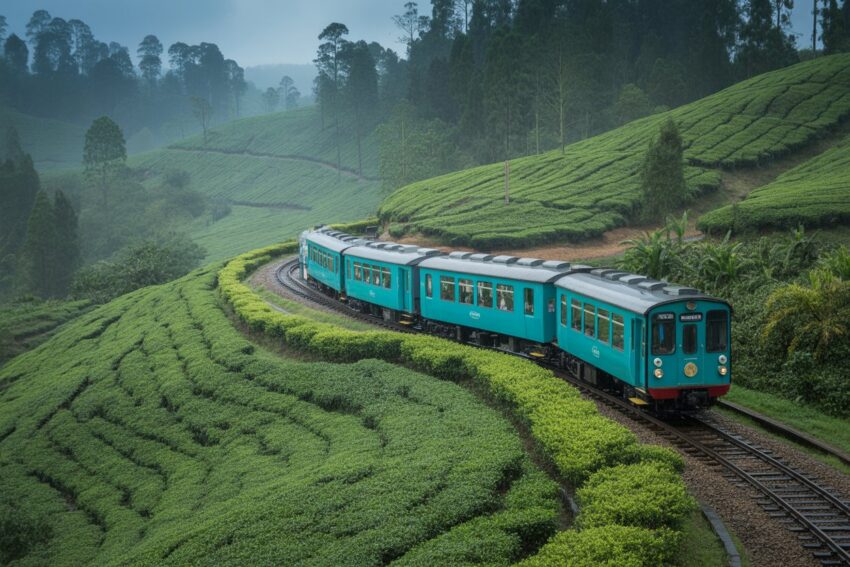 Image generated with Ai
In a reassuring message to the global travel community, the Sri Lanka Tourism Development Authority (SLTDA) has officially confirmed that the island nation remains safe, accessible, and fully open for tourism. Despite the seasonal rains and localized adverse weather conditions currently affecting specific regions, authorities have moved quickly to quell concerns, ensuring that the magic of Sri Lanka remains uninterrupted for international visitors.
As of late November 2025, while the skies have opened up in certain provinces due to the northeast monsoon and regional weather systems, the message from Colombo is clear: the tourism infrastructure is robust, resilient, and ready to welcome the world.
Operational Status: Business as Usual for Travelers
The SLTDA’s latest media release serves as a crucial update for anyone with upcoming travel plans to the island. The primary takeaway is continuity. Major tourist destinations—from the golden southern coastlines to the cultural triangle in the north-central plains—are operating normally.
Hotels, resorts, and guesthouses are fully functional, providing the warm hospitality Sri Lanka is renowned for. Transportation networks, including the scenic rail routes and tourist expressways, continue to ferry travelers between iconic locations with minimal disruption. While some specific, localized areas may experience temporary inconveniences due to heavy rainfall, the vast majority of the tourist circuit remains unaffected and eager for visitors.
Advertisement
Advertisement
This resilience is a hallmark of Sri Lanka’s tourism sector. Having navigated challenges in the past, the industry has developed sophisticated protocols to ensure visitor safety and comfort, regardless of external conditions. The current seasonal rains, while heavier than average in some districts due to the influence of Cyclonic Storm Ditwah, are a known phenomenon in the tropical climate, and the country is well-equipped to handle them.
Safety First: A Coordinated National Response
To guarantee peace of mind for travelers, the SLTDA is not working in isolation. A comprehensive safety network has been activated, involving close coordination between:
Advertisement
Advertisement
- The Tourist Police: Deployed in key zones to assist travelers on the ground.
- The Disaster Management Centre (DMC): Providing real-time updates and ensuring rapid response capability.
- Tourism Stakeholders: From hotel managers to tour operators, the private sector is in constant communication with state agencies to manage logistics seamlessly.
A standout feature of this response is the 24/7 Sri Lanka Tourism Hotline – 1912. This dedicated service is available around the clock to assist any traveler who might feel uncertain or require help due to the prevailing weather. Whether it’s checking the status of a road, seeking alternative accommodation, or simply asking for travel advice, the hotline serves as a reliable lifeline, ensuring no tourist is left without support.
Authorities are closely monitoring the situation hour-by-hour. While the general advice is to proceed with travel plans, visitors are encouraged to stay informed. Checking official weather updates and heeding the advice of local tour guides or hotel staff is the smartest way to navigate the island during this period.
Advertisement
Advertisement
The Dual Monsoon Advantage: Always a Sunny Side
One of Sri Lanka’s unique geographical features is its dual monsoon system, which often works in the traveller’s favour. While the northeast monsoon (Maha) brings rain to the north and east from October to January, the south and west coasts often enjoy their driest and sunniest periods during this exact window.
Although the current weather system has brought widespread rain, it highlights the importance of flexibility. Sri Lanka is a year-round destination because you can almost always find sunshine somewhere on the island. Smart travelers can pivot their itineraries to chase the sun or embrace the lush, verdant beauty that the rains bring to the central highlands.
The rain transforms the island’s topography. Waterfalls that were mere trickles turn into thundering cascades, the tea plantations of Nuwara Eliya and Ella take on an emerald intensity that is breathtaking to behold, and the misty atmosphere adds a layer of romance to the hill country that dry weather simply cannot replicate.
Navigating the “Must-Sees” Amidst the Weather
While the SLTDA confirms that major attractions are open, travelers should be aware of dynamic situations in nature reserves. For instance, the Department of Wildlife sometimes temporarily restricts access to specific sectors of national parks like Yala or Horton Plains if flood risks arise, to protect both visitors and animals.
Advertisement
Advertisement
However, this is where the richness of Sri Lanka’s offering shines. If a safari is rained out, the Cultural Triangle offers a compelling alternative. Exploring the Dambulla Cave Temple or the colonial charm of Galle Fort can be done comfortably even on grey days. The island’s compactness allows for quick pivots; a three-hour drive can take you from a rainy hillside to a drier coastal town.
Why Visit Now? The Unmatched Warmth
Beyond the weather charts and safety protocols lies the heart of the matter: the Sri Lankan experience. The SLTDA’s statement reaffirmed the country’s commitment to welcoming travelers to enjoy its “beaches, cultural heritage, wildlife, and renowned hospitality.”
Visiting now supports the local economy at a vital time. The tourism sector is a lifeline for millions, and the presence of international guests is a morale booster. Tourists currently on the island report that despite the grey skies, the warmth of the Sri Lankan smile remains undimmed. You might sip your Ceylon tea while watching the rain lash against the colonial windows of a bungalow—a cozy, atmospheric experience that defines the “slow travel” movement.
Traveler Tips for the Season
If you are traveling to Sri Lanka in late 2025, here are a few pro-tips to ensure a seamless trip:
Download Local Apps: Keep apps for local weather and news handy.
Use the Hotline: Save 1912 in your phone. It is a direct line to official help.
Advertisement
Advertisement
Pack Smart: A lightweight raincoat and waterproof shoes are essential. They allow you to keep exploring comfortably.
Be Flexible: If a beach day in the East is washed out, head South. If a hike is unsafe due to mud, visit a museum or a spa.
Trust Locals: Your driver or hotel manager knows the land best. If they say a road is impassable, trust them.
Conclusion
The narrative from Sri Lanka is one of confidence and preparedness. The message “Safe and Fully Open” is not just a slogan; it is backed by a robust infrastructure designed to keep tourism moving. The seasonal rains are a part of the island’s natural rhythm, nourishing the very landscapes that tourists come to admire. By taking sensible precautions and staying connected with official channels like the SLTDA, visitors can look forward to a holiday that is safe, memorable, and full of the unique charm that only Sri Lanka can offer. The Pearl of the Indian Ocean is waiting—rain or shine.
Advertisement
