
Switzerland’s Hotel Stays Decline as Europe’s Tourism Market Adjusts to New Softer Demand

Published
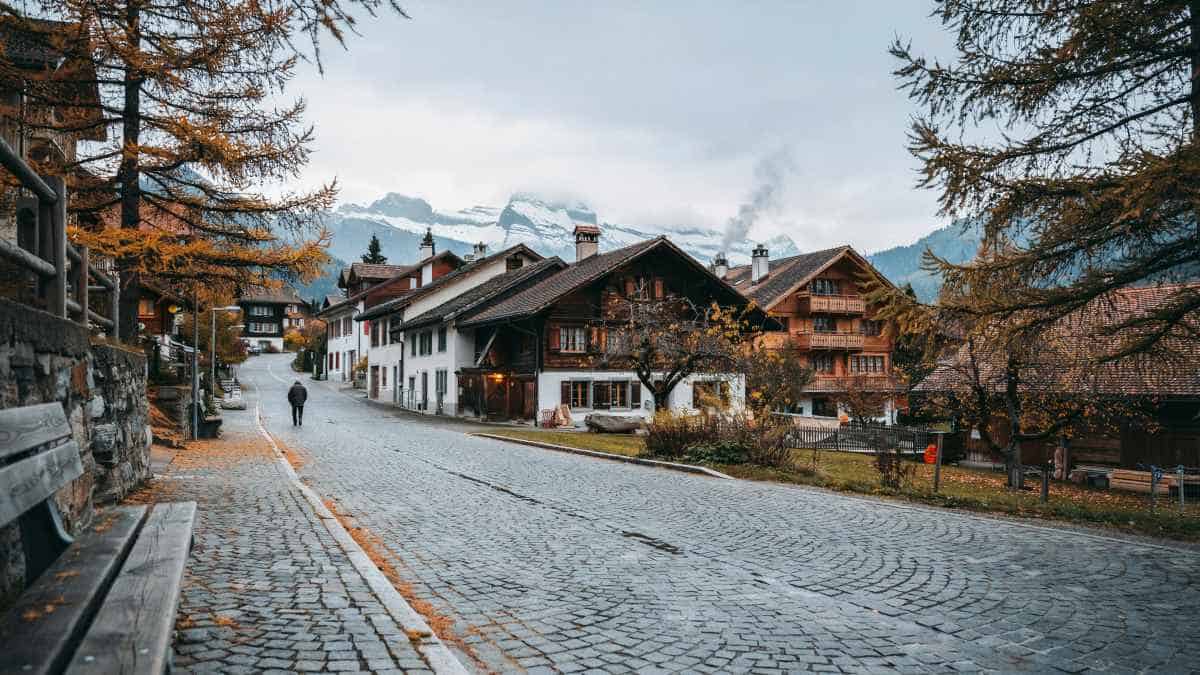
Switzerland has reported a slowdown in hotel demand as the country’s hospitality sector recorded a 2.2 per cent decline in overnight stays during June 2026, reflecting changing travel patterns across Europe. According to the Swiss Federal Statistical Office (FSO), hotels registered 4.1 million overnight stays during the month, with weaker international demand offset only partially by resilient domestic tourism. The latest figures suggest that Switzerland is not alone, with destinations across Austria, Germany, Italy, Greece, Spain and Portugal also adapting to evolving traveller behaviour shaped by rising travel costs, changing holiday preferences and greater price sensitivity.
While the decline does not indicate a crisis for Europe’s tourism sector, it highlights a period of adjustment following the record-breaking performance recorded in 2025.
International Demand Softens While Domestic Travel Provides Stability
The Swiss hospitality industry experienced a noticeable decline in international visitor demand during June.
According to the FSO, international overnight stays fell 4.4 per cent to 2.2 million, while domestic overnight stays increased by 0.4 per cent to 1.9 million, helping cushion the overall impact on hotel occupancy.
Advertisement
Advertisement
For the first six months of 2026, Switzerland recorded 20.3 million overnight stays, representing a 0.7 per cent decrease compared with the same period in 2025.
Foreign visitors accounted for 10.2 million overnight stays, down 2 per cent, while domestic demand reached 10.1 million overnight stays, increasing 0.7 per cent.
Advertisement
Advertisement
The figures contrast with 2025, when Switzerland achieved a record 42.8 million overnight stays, the highest annual total in the country’s tourism history.
Rising Costs Influence Travel Decisions
The latest data suggest travellers are becoming increasingly selective about holiday spending.
Higher transport costs, fluctuating exchange rates and broader geopolitical uncertainty are influencing how visitors plan international trips.
Long-haul travellers are increasingly shortening holidays, selecting fewer destinations or delaying discretionary travel, while European visitors are placing greater emphasis on value for money.
Domestic tourism has therefore become an increasingly important stabilising factor for Swiss hotels during periods of softer international demand.
Austria Faces Similar Alpine Challenges
Switzerland’s experience reflects broader trends across neighbouring Austria.
Advertisement
Advertisement
Major Alpine regions including Tyrol and Salzburg, both heavily dependent on international leisure travellers, are also adjusting to changing visitor demand.
Mountain tourism remains strong, but destinations increasingly face pressure to attract visitors throughout the year rather than relying primarily on winter skiing or summer hiking seasons.
Authorities continue promoting cultural tourism, wellness holidays and outdoor recreation beyond traditional peak periods.
German Hotels Adapt to Business Travel Changes
Germany’s hospitality sector is also navigating shifting travel patterns.
Cities including Berlin, Munich and Frankfurt continue experiencing slower recovery in business travel compared with leisure tourism.
Many urban hotels have responded by promoting weekend city breaks, extended stays and leisure-focused packages to offset lower corporate demand during weekdays.
Advertisement
Advertisement
Domestic visitors continue providing an important source of occupancy across Germany’s major hotel markets.
Southern Europe Responds to Changing Visitor Behaviour
Elsewhere in Europe, tourism destinations are adapting to more price-conscious travellers.
In Italy, higher accommodation costs in destinations such as Rome, Florence, Venice, Lake Como and the Amalfi Coast are encouraging some visitors to shorten holidays or travel during shoulder seasons.
Meanwhile, Greece continues strengthening climate resilience across destinations including Crete and Rhodes, while Spain and Portugal are placing greater emphasis on sustainable tourism management, balancing visitor growth with housing availability, water conservation and environmental protection.
These developments reflect wider changes across Europe’s tourism landscape rather than isolated market conditions.
Coolcation Travel Continues Expanding
Changing climate conditions are also influencing tourism demand.
Advertisement
Advertisement
Northern European destinations including Norway, Sweden, Denmark and Finland continue benefiting from the growing “coolcation” trend, as travellers increasingly seek milder summer temperatures and outdoor experiences.
The trend has encouraged many Alpine destinations to diversify their tourism offer by promoting autumn hiking, cultural festivals, cycling holidays and eco-tourism.
Expanding year-round experiences may help reduce seasonal fluctuations while strengthening long-term tourism resilience.
Practical Travel Tips for Switzerland
Travellers planning holidays in Switzerland can still reduce costs through careful planning.
The Swiss Travel Pass remains one of the most economical options for visitors travelling across multiple regions, offering unlimited travel on trains, buses and boats together with admission to hundreds of museums.
Visitors staying in mountain destinations such as Zermatt or Lauterbrunnen should also enquire about regional guest cards, which often include discounted cable cars and complimentary local transport.
Advertisement
Advertisement
Travelling during May to June or September to October can also provide lower accommodation prices and fewer crowds while maintaining favourable weather for hiking and sightseeing.
Key Stats
- June 2026 overnight stays: 4.1 million, down 2.2% year on year.
- International overnight stays: 2.2 million, down 4.4%.
- Domestic overnight stays: 1.9 million, up 0.4%.
- January–June 2026: 20.3 million overnight stays, down 0.7%.
- 2025 total overnight stays: 42.8 million, a record high.
FAQ
Why are Swiss hotel stays declining?
Softer international demand, higher travel costs and changing consumer spending patterns have reduced overseas visitor numbers, although domestic tourism remains resilient.
Is Switzerland still attracting visitors?
Yes. Domestic travel continues to support the hospitality sector, while Switzerland remains one of Europe’s leading destinations for Alpine, cultural and nature-based tourism.
What is the coolcation trend?
Coolcation refers to travellers choosing destinations with milder summer climates, such as Scandinavia or Alpine regions, instead of hotter Mediterranean locations.
Conclusion
Switzerland’s June tourism figures illustrate a broader adjustment taking place across Europe’s hospitality sector rather than a fundamental decline in travel demand. While international arrivals have softened, resilient domestic tourism and continued interest in Alpine experiences continue supporting the country’s hotel industry. Similar patterns across Austria, Germany, Italy, Greece, Spain and Portugal demonstrate how destinations are adapting to more price-conscious travellers, evolving climate preferences and changing travel habits. As European tourism enters a more balanced growth phase, diversification, sustainability and year-round visitor experiences are expected to play an increasingly important role in maintaining long-term competitiveness.
Advertisement
