
Tasmania Tourism Strategy Inspires Sustainable Growth Through Smarter Destination Connections

Published
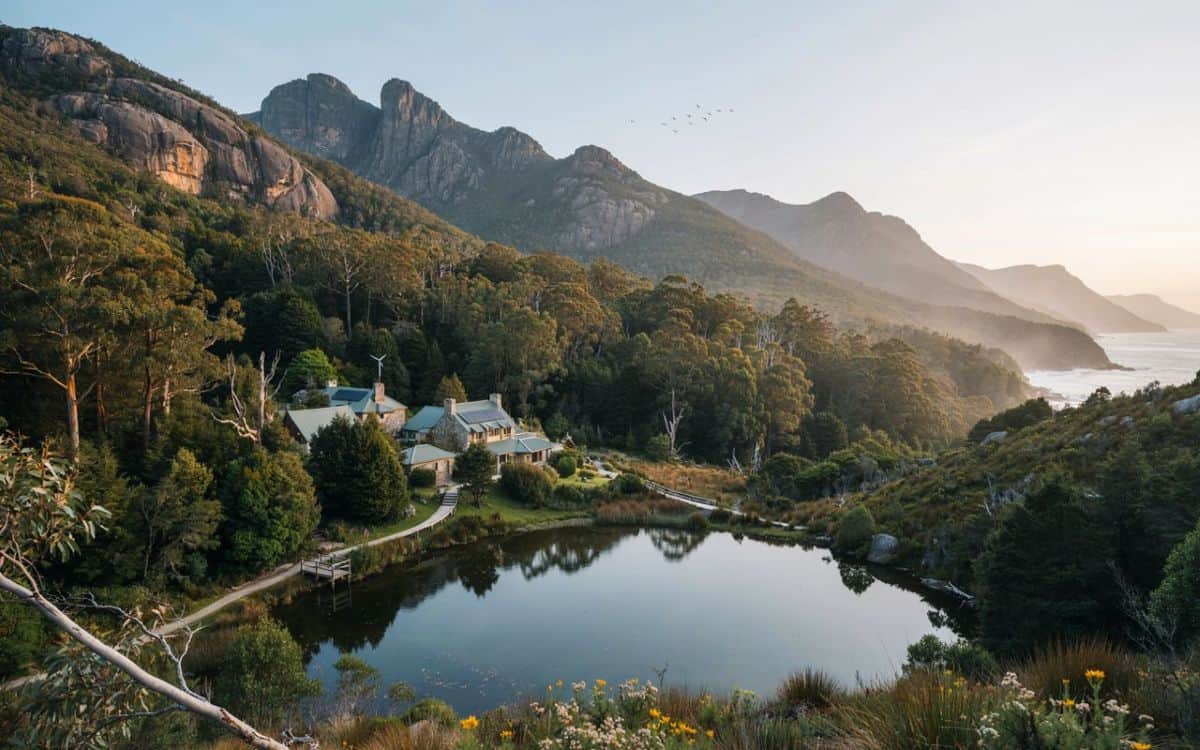
Tourism Strategy of Tasmania – Inspires A unique strategy for Sustainable Growth via Smarter Destination Connections is inspiring the future of travel. With such an example, the island state demonstrates how responsible tourism could provide incredible possibilities and preserve the pristine beauty of nature. Furthermore, the Tourism Strategy of Tasmania concentrates on experience, community and balanced development of tourism. The destination combines nature, culture and local businesses in order to engage modern tourists. Via Smarter Destination Connections, the island state keeps developing a sustainable tourism strategy. Such success of Tasmania Tourism Strategy inspires other destinations to find new solutions for their Sustainable Growth.
Why Cergy-Pontoise Offers a New Vision for Global Tourism Growth
Cergy-Pontoise, located near Paris, is developing through the Grand Centre – Cœur d’agglo project. The aim is to create a modern destination where people can live, work, study and enjoy leisure activities in one connected environment.
Advertisement
Advertisement
The development combines housing, business areas, universities, cultural spaces, green areas and transport networks. It covers around 120 hectares and focuses on creating a stronger urban centre.
The biggest lesson from Cergy-Pontoise is simple. A successful destination is not created by one attraction alone.
Advertisement
Advertisement
Modern travellers want complete experiences. They want easy transport, comfortable accommodation, cultural activities, natural spaces, entertainment and local connections.
This approach changes the traditional tourism model. Destinations are no longer only places to visit. They are becoming complete ecosystems where many sectors work together.
Advertisement
Advertisement
This idea provides an important comparison for Australia’s state tourism strategies.
Queensland Leads Australia’s Race Towards a Complete Tourism Ecosystem
Queensland is one of Australia’s strongest examples of destination clustering. The state combines major cities, natural wonders, regional experiences and global events into one connected tourism network.
Advertisement
Advertisement
Queensland recorded around $49 billion in tourism consumption during 2024–25. The state also achieved strong regional tourism growth, showing that visitor spending is spreading beyond major cities.
The strength of Queensland comes from its variety. Brisbane offers business events, culture and urban experiences. The Gold Coast attracts leisure travellers and international visitors. The Great Barrier Reef and tropical regions provide world-class nature tourism.
The Brisbane 2032 Olympic and Paralympic Games will further strengthen this ecosystem. The event is encouraging investment in transport, accommodation, infrastructure and visitor experiences.
Queensland’s success shows that tourism growth is not only about one city. It is about creating connections between multiple destinations.
Advertisement
Advertisement
This makes Queensland one of the closest Australian examples of a smart tourism cluster.
New South Wales Builds the Country’s Largest Tourism Powerhouse
New South Wales remains Australia’s biggest tourism economy. The state recorded around $61.9 billion in visitor expenditure in the year ending March 2026.
Sydney continues to act as a major international gateway. The city attracts visitors through business travel, entertainment, culture, dining and major events.
However, New South Wales is also focusing on regional tourism growth. The state is investing in better connections between Sydney and regional destinations.
The NSW Visitor Economy Strategy 2035 aims to increase tourism value through stronger aviation links, more accommodation, major events and improved visitor experiences.
The state’s challenge is creating a stronger balance between its powerful capital city and regional destinations.
Advertisement
Advertisement
Like Cergy-Pontoise, the future success of New South Wales will depend on how effectively different parts of the tourism system work together.
Victoria Creates a Strong Tourism Network Through Culture and Innovation
Victoria has built one of Australia’s most advanced tourism ecosystems. The state combines culture, education, business events, sport and entertainment to create a diverse visitor economy.
Melbourne remains the centre of this network. The city attracts travellers through international events, museums, restaurants, universities and conferences.
Regional Victoria adds another layer through nature, heritage, food experiences and outdoor activities.
Victoria recorded around $51.4 billion in tourism consumption during 2024–25. The state continues to strengthen its position through a combination of leisure, business and education tourism.
This model reflects the Cergy-Pontoise idea of connecting different sectors.
Advertisement
Advertisement
Tourism is no longer separate from education, business or culture. These areas now support each other and create longer visitor stays and stronger economic benefits.
Tasmania Shows How Smaller Destinations Can Become Global Competitors
Tasmania proves that tourism success is not only about size.
The island state focuses on quality experiences, sustainability and strong destination identity. It recorded around $3.8 billion in tourism expenditure in the year ending March 2026.
Tasmania’s strategy focuses on nature, local communities and responsible tourism growth.
Instead of competing through mass tourism, Tasmania competes through uniqueness.
Its approach is similar to the Cergy-Pontoise vision because both models focus on balance. They connect people, places and experiences while protecting local character.
Advertisement
Advertisement
Tasmania shows that smaller destinations can compete globally when they create a clear and memorable tourism ecosystem.
Western Australia and South Australia Develop Their Own Competitive Models
Western Australia and South Australia are building different forms of tourism strength.
Western Australia has enormous natural advantages. Perth acts as an international gateway, while destinations such as the Kimberley, Coral Coast and South West offer unique travel experiences.
However, the state faces a major challenge. Its large geographical size makes it difficult to create closely connected tourism networks.
South Australia follows a more compact model. Adelaide provides culture, events, food and business tourism, while regional areas offer nature and heritage experiences.
Both states show that every destination needs its own strategy. There is no single formula for tourism success.
Australia’s Future Tourism Winner Will Be the Best-Connected Destination
Currently, the Australian tourism industry is witnessing a paradigm shift in the form of Tourism Revolution Accelerated by Smart Planning that Builds Robust Networks of Destinations for Global Tourists. This paradigm shift not only focuses on attracting more tourists but reveals an interconnectedness experience that builds a better future ahead. In Australia, the tourism sector is becoming increasingly collaborative due to the adoption of new initiatives by the various states. The initiative brings out the numerous possibilities for destinations that integrate culture, nature and business. Additionally, this enables Australia to attract more tourists and at the same time remain sustainable and competitive.
Advertisement
