
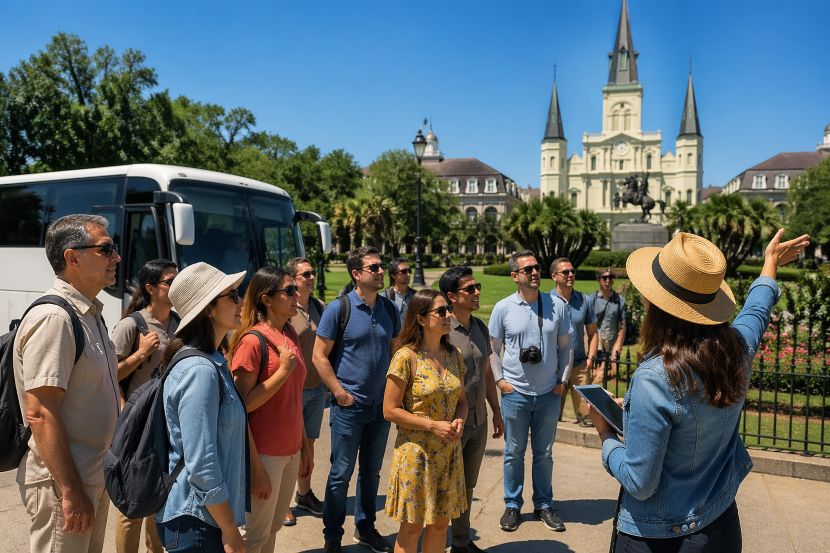
Group tours are one of the most logistics-heavy types of travel because travel routes and participants need to be organized to ensure a seamless beginning to an end. Travel, on an individual basis, is much easier and does not involve the same type of advanced planning that group tours do. How good of a group tour is, is determined the most by how well the organizer can juggle the elements of group travel. This guide will show group tour planners important tips on how to make travel uncomplicated and will do the same for the group travelers.
The Key Stages of Group Tour Planning
Advertisement
Defining the Purpose of the Tour
The first step in planning a group tour is defining the purpose of the trip. Whether it’s a cultural excursion, historical tour, or recreational journey, the goal will shape the route, stops, and overall itinerary. The clearer the purpose, the easier it is to align all logistics, ensuring the tour flows smoothly and aligns with the participants’ expectations.
Advertisement
Advertisement
Understanding Group Size and Its Impact
Group size significantly affects the planning process. Smaller groups may offer more flexibility in terms of routes and timing, while larger groups require more structured coordination. Factors like transportation capacity, pick-up and drop-off logistics, and accessibility must all be tailored to the number of participants. Organizers must assess the optimal vehicle sizes and adjust the itinerary based on group size, ensuring that all stops are accessible and that the group can move efficiently.
Route Planning and Timing Strategies
One of the most critical aspects of group tour planning is route selection. Routes should connect key destinations while ensuring smooth and consistent travel. Organizers need to consider the distance between stops, possible traffic conditions, and time limitations to create a logical, efficient flow. For larger groups, adequate time must be allocated for movement between locations, accounting for the fact that more people may take longer to board vehicles or navigate through crowded spaces.
Advertisement
Advertisement
Transportation Logistics: Vehicles and Accessibility
Transportation logistics are integral to group tour success. Tour planners must choose the right vehicles for the group size, factoring in both comfort and practicality. For urban environments, where traffic congestion or limited parking could be an issue, organizers need to plan vehicle access carefully. Timing and vehicle size must be coordinated to ensure timely arrivals and departures at each stop without creating unnecessary delays.
Communication and Coordination During the Tour
Effective communication is key to keeping a group aligned throughout the tour. Participants should receive information about schedules, meeting points, and expectations in advance to avoid confusion. Tour organizers or guides must communicate regularly during the tour, ensuring everyone is on track. This coordination ensures that the group moves together seamlessly and avoids any disruptions to the schedule.
Managing the Group During the Tour
Once the tour is underway, managing the group’s movement is an ongoing task. Group coordinators or guides should lead the group, providing directions and maintaining the schedule. For large groups, it’s essential to account for possible delays at each stop due to the time it takes for participants to gather, disembark, or interact with the location. Tour guides must keep the group together and ensure no one is left behind. Flexibility may be required when unexpected events, like weather changes or traffic delays, affect the schedule.
Safety Considerations for Group Travel
Safety should be integrated into all stages of the planning and execution process. Organizers must account for the safety of participants, whether they are navigating public spaces or boarding vehicles. Attention should be given to ensuring that vehicles are safe, that access points are secure, and that all participants are accounted for. Emergency procedures should be discussed before the tour begins, and the tour leaders should be prepared to address any safety concerns promptly.
Incorporating Breaks and Rest Periods
Longer tours require carefully planned breaks to avoid fatigue and maintain participant energy levels. Organizers should schedule rest periods between stops, providing time for participants to recharge and regroup. These breaks also give travelers the opportunity to ask questions, interact with each other, or simply rest during long stretches of travel.
Adjusting the Plan as Needed
Despite all the planning, unforeseen circumstances such as weather changes, road closures, or delays may occur. Tour planners must be prepared to make adjustments without compromising the overall experience. The flexibility to adapt ensures that participants continue to have a positive experience even when things don’t go exactly as planned.
Final Stages: Drop-Off and Completion
The conclusion of the group tour involves ensuring all participants reach their final destinations safely. Drop-off logistics should be planned carefully, considering factors such as timing and the accessibility of each drop-off location. The success of the tour is determined not just by the activities during the journey but also by how efficiently the group is returned to their starting point or final destination.
Tips for Travelers to Ensure a Smooth Group Tour Experience
For travelers, participating in a group tour requires some preparation to ensure the experience runs smoothly. Here are a few tips:
Conclusion: Achieving Success in Group Tour Planning
Planning, organizing, and adapting is the key to a successful group tour. With the careful planning and coordination from the initial stage to the ultimate drop-off, tour organizers enhance the overall experience. They can effortlessly manage the timing, routes, and logistics of different transport options, while making sure communication is consistent and clear. They can ensure that all participants are engaged and reminded about the positives of the tour. Being able to arrange the different logistics allows tour organizers to provide a great tour that participants will remember and appreciate. Group tours enhance the participants’ experience when exploring the destination, by making the experience easy and comfortable.
Advertisement
Advertisement
Advertisement













Saturday, September 5, 2026

Saturday, September 5, 2026

Saturday, September 5, 2026

Saturday, September 5, 2026

Saturday, September 5, 2026

Saturday, September 5, 2026

Saturday, September 5, 2026

Saturday, September 5, 2026



