

This Beautiful Country in Europe Earns 16 Billion Euros from Tourism, But German Tourists’ Arrival Declines

Updated
Published
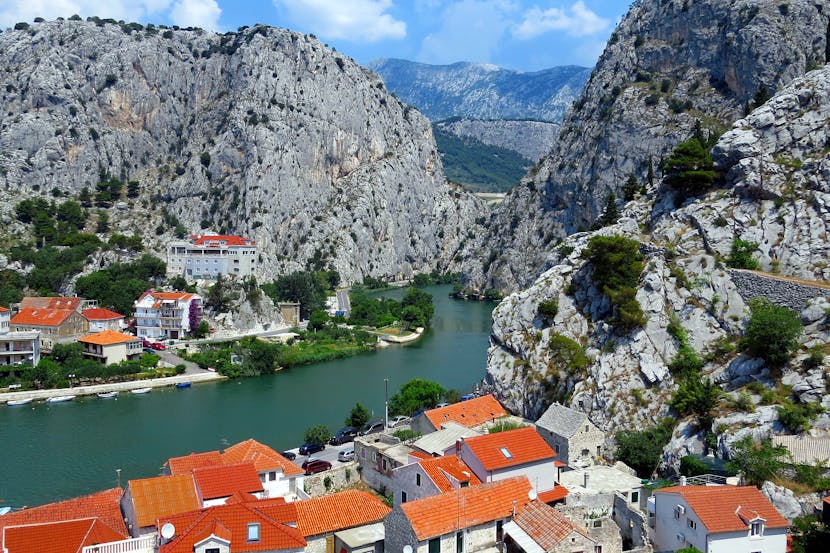 Image generated with Ai
Croatia’s tourism sector achieved a historic milestone in 2024, with revenues expected to reach a record €16 billion. This achievement was driven by a remarkable pre-season performance, significant post-season growth, and increased pricing across the tourism industry. Despite challenges during the peak season, including declining German visitor numbers and competition from major international events, Croatia demonstrated resilience and adaptability, solidifying its position as a premier travel destination.
This report examines the key factors contributing to Croatia’s record-breaking tourism revenues in 2024, the challenges faced during the peak season, and the strategies employed to sustain growth in a competitive global market.
Advertisement
Advertisement
For more such travel industry news, travel updates, travel alert, tourism insights and exclusive articles and the latest updates on tourism, download our all new Travel and Tour World Mobile Application. Download Now.
Pre-Season and Post-Season Strength
The success of Croatia’s tourism revenues in 2024 was largely shaped by an exceptionally strong pre-season and post-season performance. Tourists began arriving in Istrian towns as early as February, marking an early start to the season and signaling a shift in travel patterns. This early surge was fueled by Croatia’s reputation for offering diverse experiences, including outdoor activities, cultural heritage, and world-class gastronomy.
Advertisement
Advertisement
Pre-Season Highlights: The pre-season saw a notable rise in activities such as cycling, hiking, and skiing. Visitors flocked to Croatia’s historic towns to explore their rich cultural legacy and participate in specialized tours. Gastronomy was a standout feature, with food festivals and wine-tasting events drawing large crowds. Sports groups also contributed significantly, with many choosing Croatia as a hub for training and competitions, adding momentum to early arrivals.
Advertisement
Advertisement
Post-Season Growth: The post-season recorded double-digit growth in visitor numbers compared to the previous year, driven by targeted marketing campaigns and improved accessibility. Dubrovnik Airport emerged as a key player, with a focused effort on boosting air connectivity during October and November. Events such as art exhibitions, cultural festivals, and sports tournaments further extended the tourist season, attracting a mix of international and domestic travelers.
This dual-season strategy not only bolstered overall tourism revenues but also mitigated the challenges faced during the traditionally busy summer months. The robust performance of both the pre-season and post-season highlights Croatia’s growing capacity to attract year-round tourism, reinforcing its status as a versatile and resilient travel destination.
Peak Season Challenges
While Croatia’s peak season remained robust, it faced several challenges that underscored the need for strategic adjustments:
- Decline in German Visitors: German tourists, traditionally the largest demographic, decreased by 5% compared to the previous year. This decline was attributed to rising competition from alternative destinations, increased travel costs, and shifting preferences. As one of Croatia’s primary tourist markets, this trend highlights the importance of reevaluating pricing strategies and enhancing value propositions to retain this key segment.
- Impact of Major Events: The global attention on the Football Championship and the Olympics drew potential tourists away from Croatia during the summer peak. These large-scale events, held in other regions, offered compelling alternatives for travelers, particularly from central Europe, affecting visitor inflows during critical months.
- Accommodation Overcapacity: Coastal areas like Trogir issued 400 new rental licenses, yet some properties remained vacant even during peak season. The increase in private accommodations, coupled with a slight decline in demand, led to an oversupply, particularly in regions heavily reliant on summer tourism. This imbalance underscores the need for diversified marketing efforts to attract a broader audience.
Accommodation and Pricing Trends
Hotels emerged as the most successful accommodation category, reporting higher average room rates and increased total revenue per room. These results reflect the growing preference for premium and well-managed lodging options. However, inflationary pressures continued to challenge profitability, marking the third consecutive year of declining gross operating profits.
Private accommodations, despite adding 30,000 beds during the peak season, recorded only a marginal 1% improvement in performance. This limited growth suggests a saturation point in certain markets, emphasizing the need for differentiated offerings and targeted promotions to maximize occupancy and revenue potential.
These challenges and trends reveal a complex dynamic within Croatia’s peak tourism season, highlighting the necessity for innovation and strategic planning to sustain growth and competitiveness in a rapidly evolving travel landscape.
Advertisement
Advertisement
Get all the latest US travel news in English today, as well as the latest travel and tourism industry news from the UK, Europe, Asia, America, Africa, Australia, New Zealand, India and the rest of the world. Subscribe our Travel newsletter in your inbox.
Economic Impact of Record Revenues
The expected €16 billion in tourism revenues underscores Croatia’s economic reliance on this sector. Key contributors include:
- Inland Tourism Growth: A 5% increase in tourist traffic was reported in inland regions, showcasing the growing appeal of non-coastal destinations.
- Enhanced Connectivity: Investments in air traffic infrastructure significantly boosted accessibility, particularly in Dubrovnik.
- Cultural and Sports Tourism: Events highlighting Croatian history, culture, and outdoor activities attracted diverse visitor demographics.
Get all the latest US travel news in English today, as well as the latest travel and tourism industry news from the UK, Europe, Asia, America, Africa, Australia, New Zealand, India and the rest of the world. Subscribe our Travel newsletter in your inbox.
Sustaining Growth Amid Challenges
To maintain its trajectory, Croatia must address key challenges:
- Balancing Pricing and Value: Ensuring competitive pricing while maintaining high-quality experiences.
- Adapting to Visitor Preferences: Expanding eco-tourism, family-friendly options, and year-round travel packages.
- Improving Profit Margins: Tackling inflationary pressures to enhance profitability across accommodation types.
Croatia’s record €16 billion tourism revenues in 2024 reflect a year of strategic planning, resilience, and adaptability. The country’s remarkable achievements stemmed from its ability to capitalize on pre-season and post-season growth while strategically addressing peak season challenges. By leveraging its diverse offerings, such as outdoor activities, cultural events, and gastronomy, Croatia expanded its appeal to both traditional and new visitor segments.
The pre-season was characterized by an early influx of tourists drawn to Istrian towns and coastal cities, supported by focused marketing and enhanced air connectivity. Similarly, the post-season witnessed double-digit growth, driven by targeted efforts to promote events, art exhibitions, and sports tourism. These strategies extended the tourist season beyond the traditional summer months, ensuring year-round activity and mitigating reliance on peak periods.
Advertisement
Advertisement
Despite these successes, Croatia faced hurdles during the peak season, including a decline in German visitors and competition from major global events. The increase in private accommodations added to the complexity, as oversupply in some regions impacted profitability. Addressing these challenges, the tourism sector emphasized the need for pricing strategies aligned with value to maintain competitiveness.
Looking forward, Croatia aims to innovate and align with global travel trends, focusing on eco-tourism, sustainable practices, and technological advancements to enhance the visitor experience. By maintaining its commitment to quality and adapting to evolving market dynamics, Croatia is well-positioned to sustain its growth and reaffirm its status as a top global travel destination.
For more such travel industry news, travel updates, travel alert, tourism insights and exclusive articles and the latest updates on tourism, download our all new Travel and Tour World Mobile Application. Download Now.
Advertisement
