
India Tourism on Edge as Mumbai Airport Faces Sweeping Cuts to 265 Weekly Flights

Updated
Published
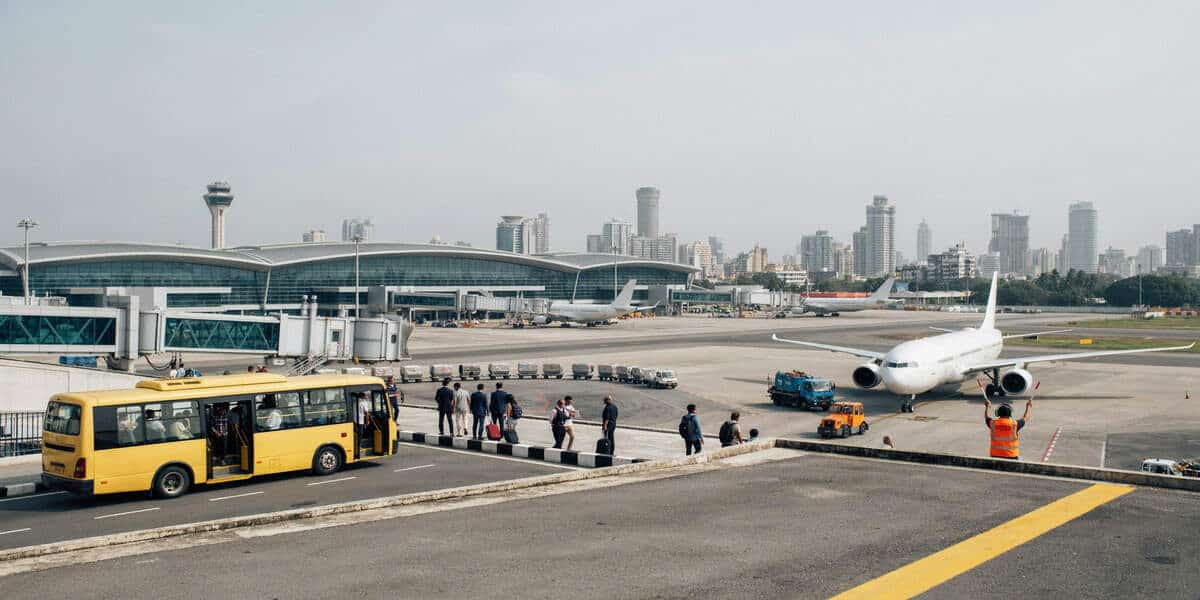
Image generated with Ai
Mumbai Flight reductions and T1 closure take effect on October 25, 2026 (Winter Schedule start). Construction extends through 2029–2030. Airlines have been informed that they might need to reduce 265 international flights per week starting 25 October to allow for domestic flights to operate from Terminal 2. money.rediff.com Travelers could be affected by reduced flights as they would result in increased costs and reduced convenience. Hotels and travel agents would also have to plan accordingly. Everything would depend on how airlines choose their routes and availability of options at Navi Mumbai.
Regional tourism and international air travel face upcoming adjustments as Chhatrapati Shivaji Maharaj International Airport (CSMIA) prepares to curtail 265 weekly international flight slots starting October 25, 2026. The move accompanies the total closure and redevelopment of Terminal 1, forcing domestic flight capacity into Terminal 2.
Advertisement
Advertisement
The reductions, affecting 46 Indian and foreign airlines, align directly with the start of Maharashtra’s peak tourist season (October through February). Key affected airlines include IndiGo with 74 curtailed weekly international services, Air India with 33, and major Gulf carriers Emirates and Etihad losing 10 slots each.
While the long-term project aims to increase terminal capacity by 42% upon completion near 2030, industry groups including the International Air Transport Association (IATA) have raised concerns regarding slot preservation. Travelers are strongly advised to check airport codes—differentiating between CSMIA (BOM) and Navi Mumbai (NMI)—when planning travel to the region.keep and the options they add. The key question is whether Mumbai can rebuild while keeping easy travel links open for visitors.
Advertisement
Advertisement
Key Details From the Latest Report
| Key detail | Reported position |
|---|---|
| Weekly reduction | 265 international flights, temporarily |
| Airlines covered | 46 Indian and overseas carriers |
| Departure slots | 33 per cent cut in international departure slots |
| Start time | 11.59 pm on 25 October 2026 |
| Reason | Create space at Terminal 2 for domestic flights leaving Terminal 1 |
| Largest named cuts | IndiGo 74 weekly flights; Air India 33 |
| Other named cuts | Akasa 11; Air India Express 7; SpiceJet 5; Emirates and Etihad 10 each |
| Redevelopment work | January 2027, according to PTI |
| Confirmation | PTI awaited MIAL’s response when it published the report on 2 October 2026 |
| Flight numbers | Report provides no list |
Why Airlines Face Flight Cuts
Mumbai airport has two terminals. Terminal 1 handles domestic flights. Terminal 2 serves both domestic and international travellers. When Terminal 1 closes for rebuilding, domestic airlines will need space elsewhere. The reported plan would move more of these flights into Terminal 2. That would leave less room for overseas services.
The challenge involves gates, check-in desks and baggage areas. Airlines need these facilities to keep journeys moving. The airport therefore reportedly wants to free international departure slots. These slots let airlines use airport space at set times. Moving flights between terminals requires enough room for passengers, staff, bags and aircraft.
Advertisement
Advertisement
What the Flight Cut Figures Really Mean
The figure of 265 refers to weekly international services. It does not mean 265 separate destinations will disappear. Airlines can cut how often they fly without dropping a route. They may also use aircraft with different seat numbers. That makes seat capacity important when judging the impact.
The reported 33 per cent figure concerns international departure slots. It does not measure all airport flights or future tourist losses. The October schedule change also differs from the reported January construction start. Travellers need exact flight numbers and travel dates before they can judge how these plans might affect their own journeys.
Why Tourism Could Feel the Strain
Mumbai is a major entry point for overseas visitors. The Ministry of Tourism records 1.652 million foreign tourist arrivals through Mumbai in 2025. That was 18.06 per cent of India’s total. These figures count entries through Mumbai, rather than confirmed stays in city hotels. They still show why easy access matters.
Maharashtra Tourism lists October to February as the best period for sightseeing in Mumbai. The proposed cuts would begin during that season. If visitors struggle to find suitable flights, some may shorten trips or choose another entry airport. Hotels, guides and transport firms could then see changes in bookings.
Could Holidays Become More Expensive?
Fares could rise if airlines offer fewer seats while demand stays strong. That is a risk, rather than a confirmed price increase. Travellers may face costs beyond their air tickets. A new connection could mean another hotel night, a longer transfer or extra meals. Families with children may find longer journeys harder.
Tour operators could need to change pickup times and daily plans. However, airlines may keep key routes or offer alternatives. The tourism impact will depend on prices, available seats and journey times. Businesses will need clear schedules to plan guest arrivals, local transport and tours with greater confidence.
Advertisement
Advertisement
Can Navi Mumbai Ease the Pressure?
Navi Mumbai International Airport offers another way into the region. Its first phase has capacity for 20 million passengers a year. The operator says Air India Express began its first scheduled international service to Abu Dhabi on 15 July 2026. This gives Mumbai another airport for overseas travel.
But spare airport capacity does not create replacement flights by itself. Airlines need to publish routes, times and tickets that travellers can book. There is no confirmed promise that all 265 services will move there. If useful alternatives emerge, some travel could shift between airports while visitors still reach the Mumbai region.
What Should Travellers Check Now?
Check the airline’s schedule before paying for other parts of a trip. Look closely at the airport code. BOM means the existing Mumbai airport. NMI means Navi Mumbai. A change between them could require a road journey, so check travel time carefully. Make sure any onward flight still works with the revised arrival time.
Ask the airline about alternatives if it changes your booking. Tour operators should also check airport pickups and hotel arrival times. Keep booking messages where they are easy to find. Clear details will help travellers make better choices as airlines release plans for the affected period.
A Bigger Airport Must Keep Visitors Coming
The project promises a larger Terminal 1. The airport operator’s 2025 plan targets capacity for 20 million passengers a year, 42 per cent above its earlier level. That is the planned total, not 20 million extra passengers. More space could support future growth. The immediate challenge is keeping journeys easy during the work.
Mumbai can reduce the tourism risk if airlines preserve useful links and explain changes early. However, available evidence offers no reliable figure for lost visitors or tourism income. The final impact will depend on the travel options people can actually book, both during redevelopment and after it.
The plan for the development of the airport infrastructure of Mumbai is intended to ensure further development of the city, yet there could be some issues during the process that might affect international tourism to the city. For instance, if the reduction of 265 flights per week, announced from 25 October, becomes a reality, travelers could experience problems concerning the choice of flights and connections, not to mention increased costs. It is important that hotels, tour operators and other entities connected with transport would cope with these changes in the plans of travelers.
Advertisement
