
Cape Town Redefines Inclusive Travel By Opening World Renowned Heritage Sights To Diverse Global Explorers

Published
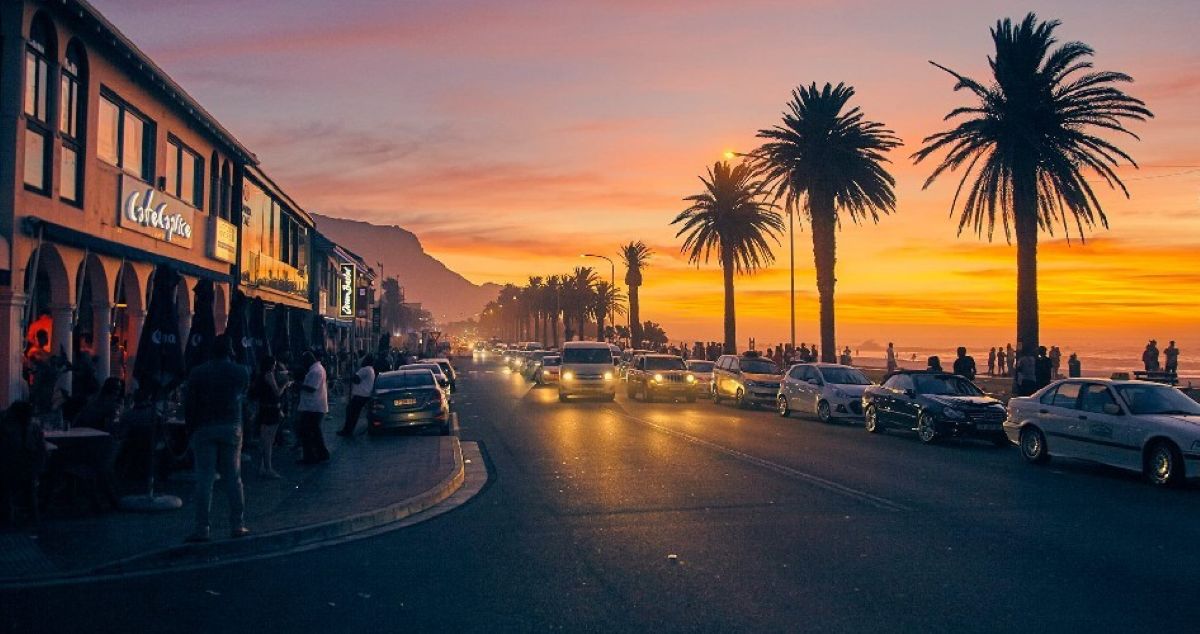
Stepping into Cape Town is not a holiday; it is a moment of complete freedom the instant your feet touch the soil. There is a heart-opening magic when the ocean breeze kisses your face at the edge of Africa. In 2026, when the city received the SPARTACUS Travel Award, for Best LGBTQ+ City Destination it simply confirmed what travelers already felt inside. Modern journeys should belong to everyone everywhere without any condition. Beyond the mountain peaks and historic valleys this remarkable place quietly redefines how warmth, acceptance and true belonging shape global travel forever.
Expanding Cultural Journeys Far Beyond Conventional Evening Entertainment Destinations
Advertisement
Advertisement
The international tourism sector is witnessing a massive structural shift as modern travelers demand comprehensive accessibility, uncompromised personal safety, and authentic local experiences. Historically, diverse travel groups often found themselves restricted to specific nightlife districts or isolated commercial zones. However, recent developments in South Africa prove that main-stage cultural sightseeing can be fully open and welcoming to every visitor. This evolutionary step inspires hospitality providers across the globe to inspect their staff training protocols and marketing strategies. By removing subtle barriers at major landmarks, destinations create an environment where all human beings feel valued and respected.
Moreover, this progressive movement influences how international operators build long-haul holiday packages. When major cities pledge total inclusion across their top sights, solo travelers, couples, and group tours gain immense confidence to journey further. International tourists no longer need to compromise their comfort while exploring world-famous wonders! Instead, they can step directly into mainstream cultural landscapes, fully assured that their identity and personal well-being remain safeguarded at every stop.
Advertisement
Advertisement
Integrating Iconic Cultural Destinations and Historical Heritage Landmarks Seamlessly
The foundation of this exceptional visitor experience relies upon six celebrated locations across the peninsula. Beginning at the bustling V&A Waterfront, visitors step into a thriving commercial hub that serves as the primary ocean gateway. Beyond its lively markets, oceanfront dining, and artistic venues, this waterfront complex provides the official departure dock for maritime excursions.
Advertisement
Advertisement
From this bustling harbor, ships carry reflective visitors directly across the ocean waters to the Robben Island Museum. This sacred historical monument stands as a global symbol of human rights, democratic victory, and resilience against oppression. For international travelers, exploring an iconic venue dedicated to freedom offers a profoundly moving personal experience within an exceptionally welcoming environment.
Experiencing High-Altitude Views alongside Serene Indigenous Botanical Sanctuaries
Advertisement
Advertisement
Ascending high above the coastal city, the Table Mountain Aerial Cableway offers breathtaking 360-degree views of steep mountain peaks, ocean waves, and urban landscapes. This iconic natural attraction proves that world-class wonders belong equally to all of humanity, offering an empowering backdrop for visitors from every corner of the globe. Standing atop the summit, travelers experience a deep sense of absolute liberation and connection with the natural environment!
In gentle contrast to the dramatic high-altitude cliffs, the Kirstenbosch National Botanical Garden offers a peaceful haven situated along the eastern slopes of the mountain range. Visitors can wander along elevated canopy walkways, admire rare indigenous flora, and unwind in tranquil natural settings. This perfect balance between high-altitude thrill and quiet botanical beauty delivers an unforgettable experience for every style of traveler.
Savoring Historic Wine Estates and Coastal Roads at the Southwestern Tip of Africa
The journey continues inland toward the historic Constantia Valley, home to Groot Constantia, the oldest wine estate in South Africa. Here, historic Manor House tours, award-winning wine tastings, and local culinary traditions come together to form a rich cultural experience. The historic farm seamlessly blends centuries of winemaking tradition with modern, open-minded hospitality standards that make every guest feel deeply welcomed.
Advertisement
Advertisement
Finally, the coastal route winds southward down the peninsula to the dramatic sea cliffs of Cape Point, located at the southwestern tip of the African continent. Travelers can easily combine this dramatic coastal journey with a drive along Chapman’s Peak Drive, where coastal cliffs tower over the Atlantic Ocean. This spectacular drive proves that global travelers can comfortably blend local cultural events with iconic natural sightseeing on their own unique terms!
Analyzing the Massive Economic Contributions and Direct Financial Metrics Driven by Inclusive Overseas Visitor Inflows
The international visitor economy generates substantial financial value, proving that open access and inclusive tourism policies directly strengthen local financial markets. Nationally, the broader LGBTI travel segment in South Africa contributes an estimated R250 billion annually to the national economy through expenditures spanning hospitality, transport, and retail sectors. At the metropolitan level, Cape Town recorded a total economic contribution of R27.3 billion from its overall tourism sector in 2025, directly sustaining approximately 91,000 jobs. When international travelers experience key landmarks without restriction, average lengths of stay increase to 9.5 nights, generating vital foreign currency reserves that bolster local employment opportunities.
Furthermore, this sustained inflow of capital reinforces infrastructure development and urban regeneration projects across the city. By ensuring that public attractions, cultural sites, and commercial districts remain universally welcoming, municipal managers maximize the economic yield per international visitor. The compounding financial benefits extend beyond direct tourism spending, enriching secondary supply chains, local agriculture, and boutique service providers throughout the region.
Evaluating the Rapid Surge in Aviation Operations and Passenger Throughput across Regional Terminals
International air connectivity serves as the critical catalyst enabling long-haul travelers to reach world-class destinations with ease. Cape Town International Airport processed a record-breaking 11.1 million total passengers in 2025, marking an 11% year-on-year growth in international arrivals during peak holiday periods. The region now operates 228 international flights per week managed by 24 global airlines, connecting the coastline directly to 31 direct international destinations. This dramatic expansion in flight capacity ensures seamless long-haul transit, encouraging global adventurers to book direct routes without travel friction.
Advertisement
Advertisement
In addition to increased seat capacity, modern airport terminal enhancements have streamlined passenger logistics, customs clearance, and baggage handling. The expansion of direct international routes reduces layover times and lowers travel barriers for overseas tourists. Consequently, robust aviation networks empower airlines to maintain high load factors while boosting the international profile of the coastal gateway.
Assessing Operational Milestones and Record Annual Visitor Throughput across High-Altitude Cableways
High-capacity natural icons require state-of-the-art infrastructure to handle massive international visitor volumes while preserving environmental sustainability. The Table Mountain Aerial Cableway welcomed over 1 million visitors in 2025 alone, celebrating its 33 millionth total passenger since inception. The overarching Table Mountain National Park draws approximately 4.2 million visitors annually across its vast hiking trails, scenic lookouts, and conservation zones. Providing safe, modern cable car infrastructure allows millions of global tourists to experience world-renowned mountain summits efficiently while protecting fragile high-altitude ecosystems.
Moreover, ongoing mechanical upgrades and digital ticketing innovations have minimized waiting times and maximized visitor safety at the cableway base station. By balancing heavy tourist footfall with rigorous environmental safeguards, park authorities preserve the mountain’s pristine biodiversity. These operational achievements ensure that visitors enjoy safe, unobstructed access to panoramic summit views year-round.
Examining Global Industry Recognition, International Accolades, and Destination Quality Benchmarks
Earning world-class recognition relies on sustained excellence across municipal services, aviation standards, and guest hospitality. In addition to winning the SPARTACUS Travel Award for Best LGBTQ+ City Destination in 2026, Cape Town was named the #1 Best City in the World by global travel panels. Furthermore, Cape Town International Airport secured the title of Best Airport in the World via global service audits. These prestige awards validate destination management policies, reinforcing international trust and attracting high-spending travelers who prioritize award-winning service standards.
Advertisement
Advertisement
Receiving top industry honors boosts destination brand equity and enhances global marketing campaigns across major source markets. Independent international audits reassure first-time visitors regarding safety, municipal cleanliness, and hospitality reliability. Ultimately, maintaining these high benchmarks elevates the city’s competitive advantage among top international leisure destinations.
Expanding Cruise Tourism Logistics and Harbor Passenger Traffic at Maritime Terminals
Maritime tourism serves as an increasingly vital gateway for global travelers exploring coastal heritage sites. The V&A Waterfront cruise terminal welcomed over 90 cruise ship dockings during the peak ocean transit season, bringing hundreds of thousands of day-passengers into the city bowl. These cruise dockings provide immediate pedestrian access to shopping hubs, dining venues, and historic ferries traveling to Robben Island. Integrating maritime arrivals directly into central urban precincts boosts local retail revenue while offering sea-based travelers instant access to iconic heritage attractions.
Furthermore, state-of-the-art harbor infrastructure allows luxury liners to berth seamlessly near major cultural and commercial landmarks. The central dock location simplifies tour excursions, urban walking routes, and waterfront dining opportunities for disembarking passengers. As cruise lines expand their southern hemisphere itineraries, maritime passenger volume continues to drive substantial economic value into the local harbor district.
Investigating Short-Term Accommodation Growth and Hospitality Capacity Across Urban Precincts
The rapid expansion of home-sharing platforms and boutique lodging options has restructured traditional visitor accommodation models. There are more than 27,000 active short-term rental listings registered across the metropolitan area, with short-term rentals accounting for 70% of residential units in the central business district. The short-term rental market contributes R14.4 billion to local gross domestic product and supports roughly 42,000 jobs. Diversifying accommodation formats allows global tourists to choose stay arrangements that match their budget, lifestyle preferences, and identity requirements.
Advertisement
Advertisement
Additionally, boutique apartments and neighborhood stays distribute visitor spending deeper into residential communities and suburban business nodes. Local property owners, cleaning services, and neighborhood cafes benefit directly from decentralized guest lodging. This flexible accommodation ecosystem supports diverse visitor demographics during peak holiday periods when traditional hotels reach full capacity.
Highlighting Botanical Biodiversity Conservation and Eco-Tourism Inflows in National Reserves
Eco-tourism represents a primary pillar of sustainable travel, drawing outdoor enthusiasts to protected botanical preserves. Kirstenbosch National Botanical Garden forms part of a broader flora kingdom boasting over 8,200 plant species, 80% of which are completely endemic to the coastal region and found nowhere else on Earth. Preserving these pristine natural reserves generates consistent eco-tourism revenue, allowing visitors to engage in responsible outdoor recreation while supporting critical botanical conservation programs funded through eco-tourism ticket sales.
Beyond plant conservation, the botanical garden offers educational walking tours, scientific research programs, and open-air cultural events set against mountain backdrops. Revenue generated from entry fees funds continuous land management, invasive species eradication, and rare species propagation. This successful eco-tourism model demonstrates how environmental stewardship and visitor enjoyment can thrive together sustainably.
Promoting Heritage Wine Tourism and Agricultural Trade Inflows within Historic Valleys
Combining agricultural production with luxury heritage tourism creates resilient economic streams that endure beyond traditional travel seasons. As the country’s oldest wine-producing farm, Groot Constantia anchors an international wine route that attracts over 450,000 wine tourism visitors annually to the historic valley. The integration of historic architecture, culinary gastronomy, and international wine export trade preserves national heritage while driving premium foreign visitor expenditure into surrounding rural farming communities.
Advertisement
Advertisement
Moreover, wine estate visitation fosters long-term international brand loyalty, boosting wine exports across European, American, and Asian markets. Visitors who experience historic cellars and estate tastings frequently continue purchasing the estate’s vintages upon returning home. This interplay between on-site heritage tourism and global agricultural exports secures ongoing prosperity for the historic valley.
The Final Verdict
When I finally leave Cape Town, a part of me remains on those wind‑swept shores. Cape Town gives me a feeling of being seen embraced and completely free to wander as I truly’m Watching the sun dip below the Atlantic, from Cape Towns edge is not a view; Cape Town is a quiet promise that travel can truly belong to everyone
Advertisement
