
Boston Surges Into a Global Rowing Spotlight With Massachusetts Head of the Charles

Published
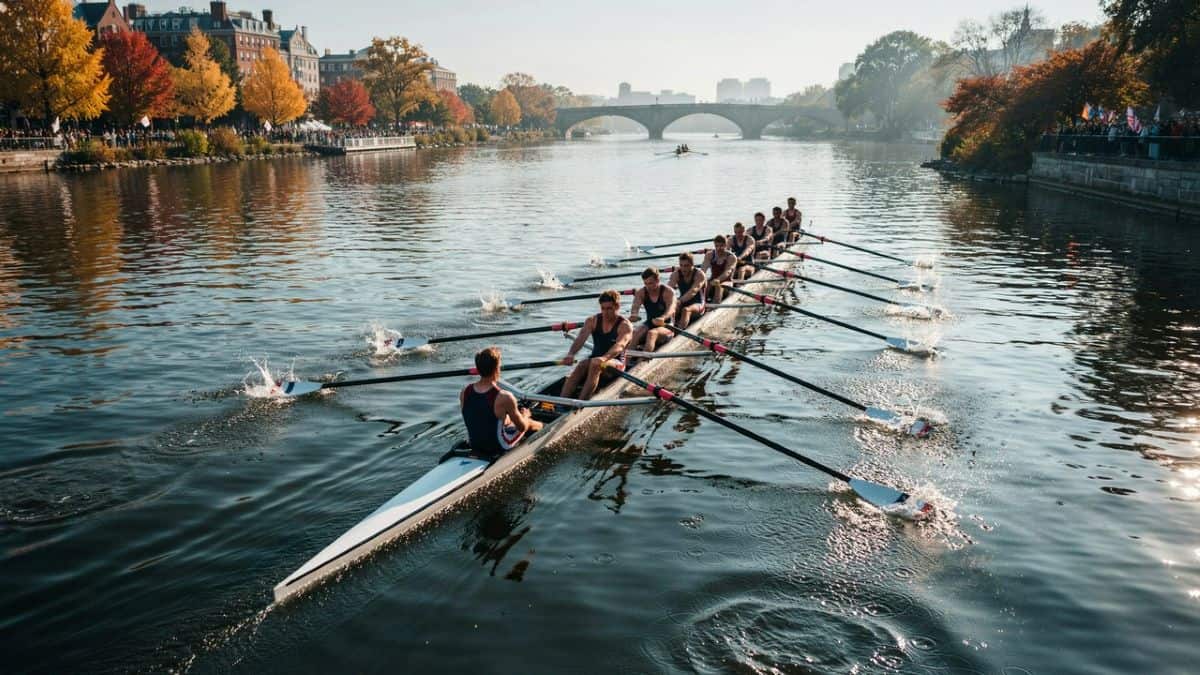
Boston and Cambridge will become the centre of the rowing world from 16 to 18 October 2026 as the Head of the Charles Regatta returns to the Charles River. The famous event brings sport, travel, food, history and autumn colour together in one powerful weekend. It is not just a race. It is a huge city-wide experience that changes the mood along the riverbanks.
The Head of the Charles is the world’s largest three-day rowing competition. Nearly 12,000 rowers from around the world are expected to compete. More than 325,000 spectators are also expected across the weekend. Families, former athletes, university groups, international visitors and local residents will line the river to watch the action.
The event gives Massachusetts a major October travel draw. It brings visitors to hotels, restaurants, public transport, shops and riverfront parks. Boston’s university history, Cambridge’s boat clubs and the Charles River’s autumn setting make the Regatta much more than a sporting date on the calendar.
A Race That Grew From a Simple River Idea
The first Head of the Charles race took place on 16 October 1965. Members of the Cambridge Boat Club created it with advice from Harvard University sculling instructor Ernest Arlett. Arlett knew the British head-of-the-river tradition and suggested that Boston should stage a similar race on the Charles.
This format is different from a normal rowing race. Boats do not all start together. They leave one after another, usually around 15 seconds apart. Each crew races against the clock. The fastest time wins. This makes every second important. It also means that spectators can keep seeing boats move through the course all day.
The event has grown far beyond its local roots. Today, it has 74 race events and welcomes crews from more than 30 countries as well as almost every US state. It gathers young racers, university teams, club athletes, alumni, masters and leading international competitors in the same place.
Why the Charles River Creates a True Test
The 4,702-metre course is one of the Regatta’s biggest attractions. It begins at Boston University’s DeWolfe Boathouse and finishes at Herter Park. Between these points, crews must handle bends, bridges, busy water and changing race pressure.
The Charles River is not a simple straight track. Rowers have to stay calm, steer well and keep their boat moving fast. The Powerhouse Stretch offers a longer straight section. But the famous Weeks Footbridge turn gives crews a much tougher moment. Boats must make a sharp 90-degree turn. That can be difficult when another crew is close behind or ahead.
For spectators, this challenge makes the race more exciting. Boston University Bridge offers views of the start. Magazine Beach provides a quieter place to watch. Weeks Footbridge is one of the most popular points because fans can see crews battle through the tight corner. At Herter Park, visitors can watch the final push to the finish line.
International Stars Give Boston Global Attention
The Head of the Charles has become an important stop for elite athletes. In 2024, the race attracted 2,625 crews from 828 clubs around the world. Olympians from different generations also raced in Boston.
Overseas crews packed with Olympic athletes won major championship events that year. British, Irish, Canadian, American and other international athletes brought global quality to the river. This shows why the event matters beyond Massachusetts. It gives elite rowers a respected race after the summer championship season. At the same time, it lets ordinary club crews and young athletes share the same event environment.
The 2026 rules also allow national-team athletes to compete. Crews representing a national team must include athletes who raced for that country in an Olympic boat class. This keeps the Championship races serious while protecting the event’s broad appeal.
Advertisement
Advertisement
A Weekend for Young Racers and Lifelong Rowers
The Head of the Charles stands out because it welcomes many age groups. Youth athletes race alongside university crews, alumni teams and masters. Masters categories begin at age 30 and continue through divisions for rowers aged 90 and above.
This gives the event a warm and unusual atmosphere. A school athlete may watch an Olympian race in the morning and then see veteran rowers compete later in the day. In 2024, a 92-year-old rower won a Grand Veteran title. Another crew, with an average age of 83, completed the course in a mixed eight.
The Regatta also includes para and inclusion races. Inclusion events require equal numbers of para and non-para athletes. Organisers say the event has gender parity and fully integrated para competition. These rules help make the riverbank weekend more open to different athletes and communities.
Massachusetts Gains a Major Visitor Economy Boost
The Regatta creates a strong tourism effect across Greater Boston. An official 2024 estimate said that more than 400,000 spectators generated over US$88 million in economic impact for Massachusetts. Current event information cites more than 325,000 spectators. The figures use different attendance measures, but both show the huge visitor pull of the weekend.
Hotels are a key part of the journey for visiting teams, families and fans. Food is also central to the experience. Organisers are promoting a Taste of Boston, Cambridge and New England through event vendors. This gives local food businesses a direct place within the Regatta experience.
The event also relies on 2,400 volunteers. Their work helps turn a long river route into a safe, organised and welcoming destination for visitors.
How Visitors Can Enjoy the Race
Most riverbank viewing areas are free. Visitors can walk between key points and enjoy the race from bridges and parks. The Riverbender on the Cambridge side is a paid social venue with food and drinks. Premium hospitality is also available near Eliot Bridge.
Parking is very limited. Visitors should use public transport where possible. Harvard and Central stations on the Red Line, along with BU Central on the Green Line, offer access to different parts of the course. Alewife station provides a large park-and-ride option for drivers.
For one October weekend, the Charles River becomes Boston’s grand sporting stage. The Head of the Charles gives travellers a chance to see world-class rowing, university tradition, autumn scenery and a lively city gathering in one memorable Massachusetts experience.
Advertisement
Advertisement
Advertisement
