
Travelers Grounded at Boston Logan as JetBlue, Delta, American, United and Major Flights Face 251 Delays and 4 Cancellations Across Boston, New York, Toronto and Other US cites

Published
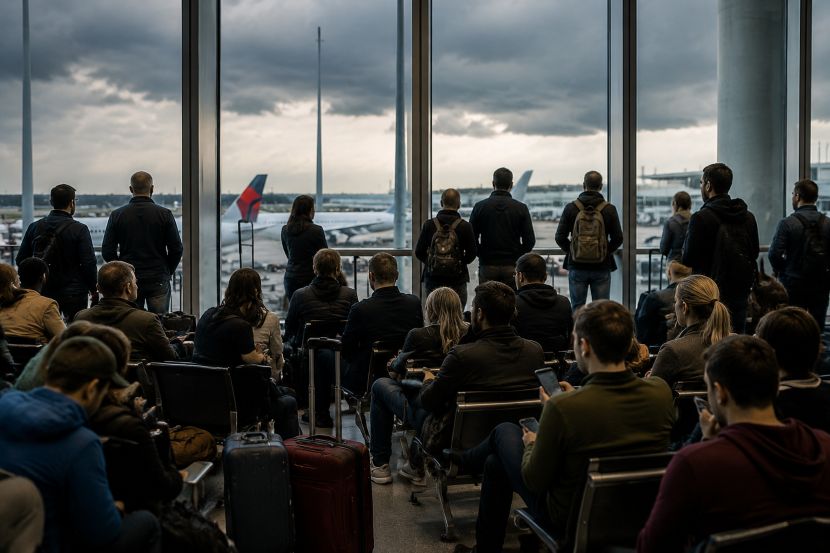
BOSTON — Boston Logan International Airport (BOS) reported 251 flight delays and four cancellations today, according to aviation tracking data. Operational issues affected most major carriers. Many of the delays for Logan Airport inbound and outbound flights will impact connecting flights, creating problems for inter-city travel. The significant number of delays may impact travel and tourism throughout the region.
The number of delays related to cancellations indicates a general system wide delay, as opposed to a less severe operational situation where flights are grounded. Flight track data for each airline and at different origin and destination points indicates disparate effects on different airlines.
Advertisement
Advertisement
Airlines Most Affected by Delays
Among carriers at Boston Logan, Cape Air recorded the highest relative number of delays by percentage, with approximately 18 flights delayed, representing about 10% of flights, and 3 cancellations (1%). Delta Air Lines also showed disruption, with 18 delays (9%) and 1 cancellation.
Legacy and international carriers were affected unevenly. JetBlue, one of Logan’s largest operators, recorded 70 delays, accounting for 26% of its scheduled flights today. United Airlines followed with 26 delays (30%), and American Airlines with 34 delays (31%). Southwest saw 17 delays (38%), while Republic reported 19 delays (9%).
Advertisement
Advertisement
Several international and regional airlines reported smaller numbers but high delay percentages relative to their schedules. Air Canada and Alaska Airlines each recorded multiple flights delayed at around a 50% delay rate. Boutique Air had 4 flights delayed (66%), and Envoy Air (American Eagle affiliate) saw 7 delays (63%). Others such as Porter Airlines faced 9 delays (56%), while carriers including Iberia, Japan Airlines, and Korean Air experienced isolated delays near the 50% mark.
A small number of carriers had all of their scheduled flights impacted. BermudAir and PAL Airlines both exhibited a 100% delay rate among their limited operations, though total flight counts were low. Emirates also recorded a solitary operation that did not depart or arrive as scheduled. Aer Lingus, Swiss, and Jazz Aviation reported one or more delays but no cancellations.
Advertisement
Advertisement
Passenger Impacts and Airport Conditions
For travelers, today’s disruption translated into extended wait times, missed connections, and rescheduled travel plans. Flights delayed by more than 30 minutes can lead to cascading impacts for passengers, including missed business commitments and vacation plans, especially given Logan’s status as a key New England gateway.
Airlines working through BOS typically manage a high volume of daily operations, linking Boston to domestic hubs and international destinations. The concentration of delays today is likely to strain customer service operations at terminals and exacerbate congestion at gate areas and baggage claims.
Advertisement
Advertisement
Broader Implications for Tourism
Boston’s tourism ecosystem — anchored by historic sites, cultural institutions, and robust business travel — may feel short‑term impacts from such disruptions. Persistent flight delays can deter visitors, especially those with tight itineraries or multi‑city connections.
Tourism stakeholders note that New England’s spring season often draws significant travel interest from domestic and international markets. While a single day of delays does not necessarily indicate systemic failure, it does pose logistical and perceptual challenges for the region’s travel industry.
Interviews with local hotel operators and tour providers indicate heightened concern about traveler satisfaction. “Delays of this scale, even if temporary, put extra pressure on accommodation check‑ins, local transport, and planned excursions,” said a spokesperson for a downtown Boston hospitality group.
Airport and Airline Responses
Airport authorities and carrier representatives typically work in real time to prioritize passenger welfare during periods of disruption. Measures often include rebooking services, updated passenger notifications, and coordination with ground handlers to expedite arrivals and departures.
Advertisement
Advertisement
While no transportation authorities had released an official statement at the time of publication, historical guidance from federal aviation sources encourages travelers to consult official airline communications and the airport’s flight status tools before heading to terminals.
Outlook and Traveler Advisory
Travelers transiting Boston Logan Airport within the next 24 to 48 hours are recommended to:
- Review updated flight information by contacting their airline.
- Show up to the airport well in advance of their flight, especially during peak hours or if traveling internationally.
- Keep in mind possible flight delays due to weather or government advisories.
Real-time flight updates can be found on federal aviation boards and Boston Logan Airport’s flight information displays. Passengers can also sign up for alert services for their airline to be informed about sudden itinerary changes.
Authors Observation: All information is manually obtained from FlightAware’s official website, and all operations are subject to change based on real-time updates. In order to maintain safety, airlines actively modify schedules and itineraries. In order to get to their destinations safely, passengers are asked not to panic in such situations and to look for alternate travel choices. Relying on real-time updates, reviewing airline rebooking restrictions, and maintaining flexibility with travel plans are all highly recommended.
Source: Flightaware
Advertisement
