
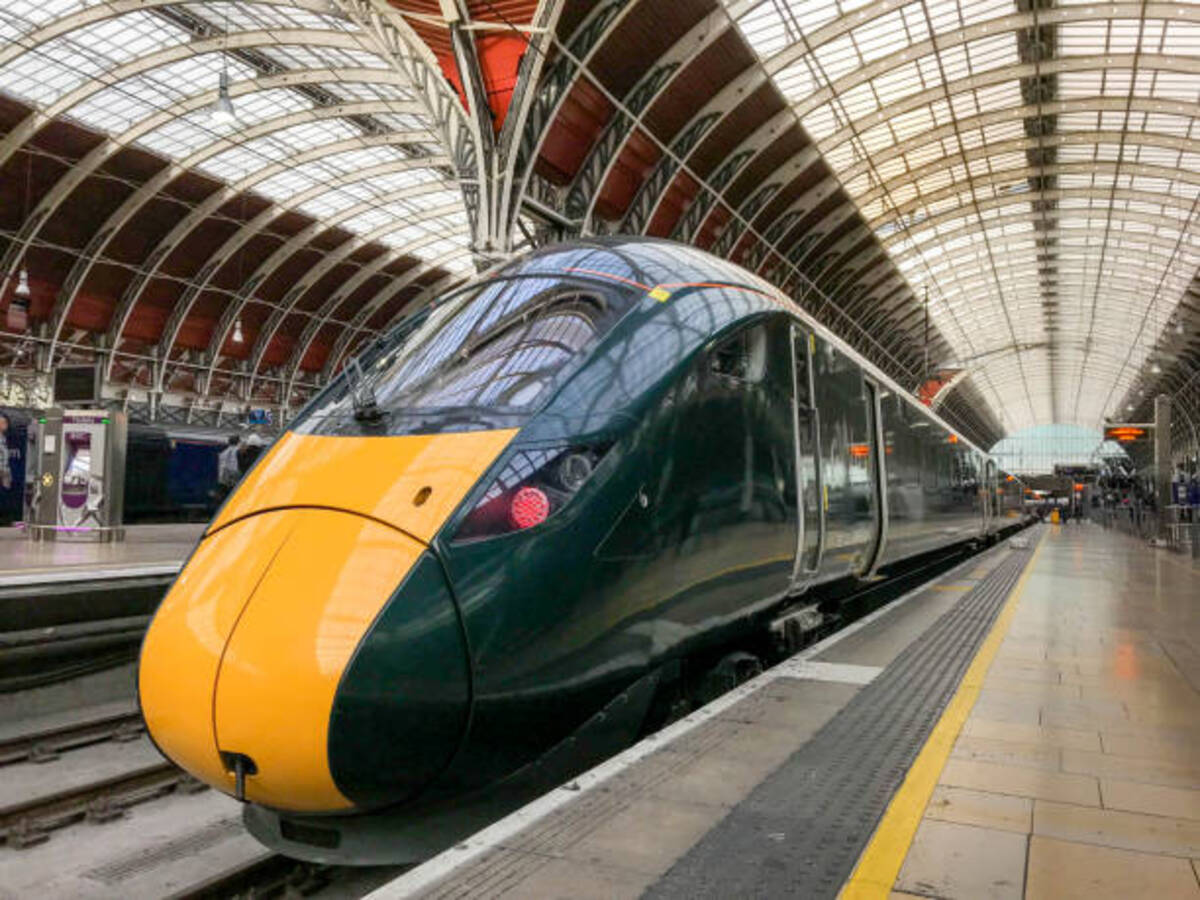
Image generated with Ai
Passengers on the Great Western Railway line services between London Paddington and Reading have been issued a caution by the railway. This is due to a failure of the power supply for the electric wires on the line. This has resulted in significant delays, cancellations, and changes to scheduled services on part of the UK’s busiest rail line. Train services are also impacted as engineers have to go and investigate the issue so that they can restore normal services. GWR is offering alternatives to passengers, including the use of other rail services or London transport services with the tickets purchased on the GWR service at no extra cost for the passenger.
The disruption is affecting one of the busiest rail corridors connecting London with the Thames Valley and wider western England, creating uncertainty for commuters, business travellers and leisure passengers. Travellers are being advised to check live journey updates before leaving for stations as services may change throughout the day.
Advertisement
The disruption began after a problem with the overhead electrical system affected trains operating on the route between London Paddington and Reading. Electric trains on this corridor depend on overhead power equipment, meaning any failure can quickly affect multiple services and create wider delays across the network.
Rail engineers are working to identify the cause of the failure and restore normal operations. Until the issue is resolved, some trains may be cancelled, delayed or stopped before reaching their planned destination.
Advertisement
The impact is not limited only to passengers travelling directly between Paddington and Reading. Because the route connects London with several major destinations across the Great Western network, delays can affect connecting journeys towards Oxford, Bristol, South Wales and other parts of western England.
To help affected travellers complete their journeys, GWR tickets are being accepted on several alternative transport services.
Passengers can use:
These arrangements allow passengers to avoid the affected section of the railway and continue their journeys through alternative routes.
However, travellers should expect longer journey times because replacement routes may involve additional changes, busier trains and increased passenger demand.
Passengers whose trains are cancelled can travel on alternative services around their original departure time.
Travellers are generally permitted to use the two services before or after their planned train, allowing greater flexibility while disruption continues.
Passengers holding tickets with travel restrictions are also being allowed to use alternative services without paying additional charges when their original journey has been affected.
Railway staff and digital journey planners are available to help passengers identify the best available route based on their destination.
Replacement road transport has not been introduced at this stage.
Rail operators are continuing to monitor the disruption and may consider additional arrangements if the power failure continues for a longer period.
Passengers should therefore check the latest travel information before travelling rather than assuming replacement buses will operate.
Live departure boards, journey planners and station announcements remain the most reliable sources for updated service information.
Passengers using the London Paddington and Reading corridor should allow additional time for their journeys.
The disruption may create longer waiting periods, crowded alternative services and delays at interchange stations.
Travellers heading to airports, business meetings, hotels or important appointments should consider leaving earlier than planned to avoid missing connections.
Passengers changing between London stations, such as travelling via Waterloo or Marylebone, should also allow extra time for transfers.
Passengers who experience delays of 15 minutes or more may be eligible for Delay Repay compensation.
Travellers should keep their tickets and journey details after completing their trip because this information may be required when submitting a claim.
Compensation eligibility depends on factors including the length of the delay and ticket conditions.
Passengers affected by significant disruption are encouraged to check the official GWR Delay Repay process after their journey.
Modern railway networks rely on complex electrical infrastructure that must work continuously to keep services running.
A failure involving overhead wires can prevent trains from moving through affected areas and can also create secondary problems across the wider network.
Rail operators may need to reorganise trains, adjust timetables and reposition staff and equipment before services can fully return to normal.
Even after power is restored, delays can continue while trains and crews return to their planned schedules.
Previous incidents involving overhead equipment failures on major UK rail routes have shown that infrastructure problems can quickly affect thousands of passengers because major stations and railway corridors operate as interconnected systems.
Reading is one of the most important railway interchange points outside London, connecting passengers travelling across the Thames Valley and towards western England.
Any disruption between Reading and London Paddington can therefore affect passengers beyond the immediate route.
Travellers continuing towards destinations such as Bristol, Cardiff or other Great Western locations should check whether their onward connections are operating normally.
Alternative routes may involve additional changes and longer travel times, particularly during busy travel periods.
The situation remains dependent on the progress of engineering teams working to restore the overhead power supply.
Until normal operations resume, passengers should continue checking live travel updates, station information screens and journey planners before starting their trips.
Travellers affected by cancellations should use the alternative ticket acceptance arrangements available and seek assistance from railway staff if they need help completing their journeys.
GWR has advised passengers to expect disruption while repair work continues and thanked travellers for their patience as services are gradually restored.
Photo Credit : istockphoto
Advertisement
Advertisement
Advertisement













Sunday, September 6, 2026

Sunday, September 6, 2026

Sunday, September 6, 2026

Sunday, September 6, 2026

Saturday, September 5, 2026

Saturday, September 5, 2026

Sunday, September 6, 2026

Saturday, September 5, 2026



