
India Catapults into the Global Aviation Technology Race as Air India Teams Up with Air New Zealand, British Airways, Air Transat and More Airlines to Revolutionise Boeing Widebody Fleet Management Through Digital Engineering: Why This Massive Digital Leap Could Transform the Future of International Arena

Published
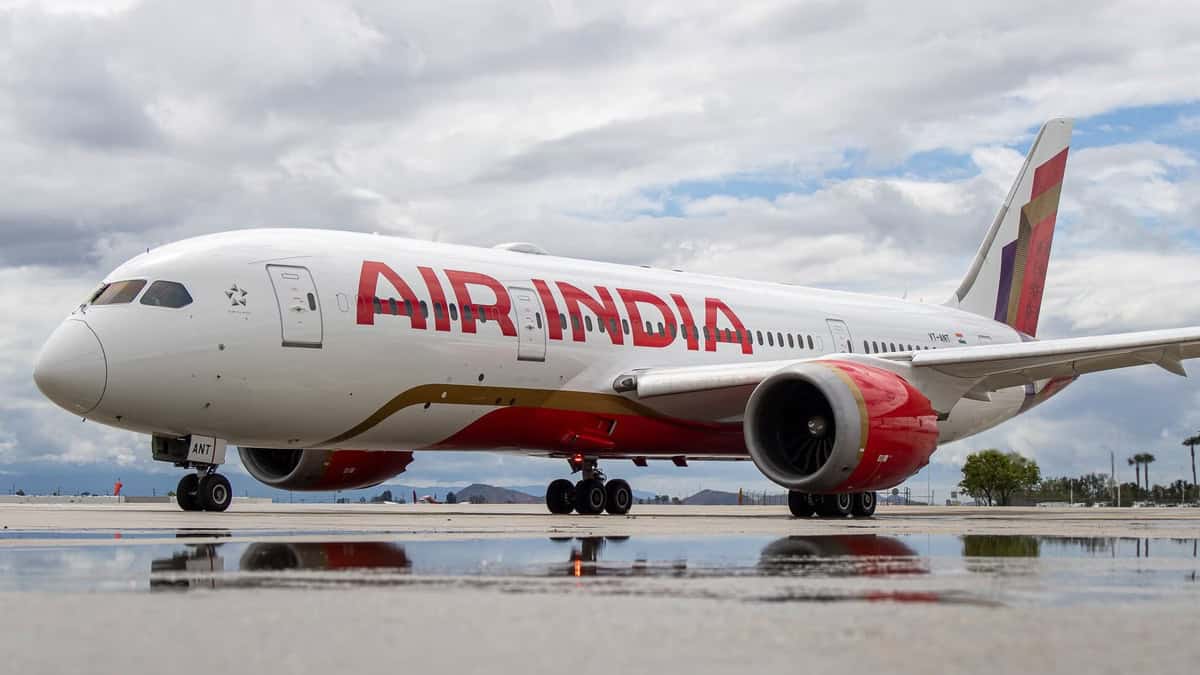
Image generated with Ai
India catapults into the global aviation technology race as Air India joins Air New Zealand, British Airways, Air Transat and more airlines to revolutionise digital engineering and reshape the future of international aviation.
India has officially catapulted itself into the global aviation technology race as Air India teams up with the growing movement led by Air New Zealand, British Airways, Air Transat and more airlines embracing digital engineering to transform Boeing widebody fleet management.
Consequently, this breakthrough marks far more than a technological upgrade because it strengthens operational efficiency, maintenance accuracy and sustainability at the same time. Moreover, the adoption of Electronic Technical Logbooks demonstrates how airlines are replacing outdated paper processes with intelligent digital systems. As a result, this landmark development could reshape the future of the international aviation arena and set new global standards.
Air India has received approval from India’s Directorate General of Civil Aviation (DGCA) to use Electronic Technical Logbooks (ETL) as the primary maintenance record for its Boeing 787 fleet while also beginning parallel implementation across its Boeing 777 aircraft. The move replaces paper-based maintenance records with a digital platform designed to improve operational efficiency, aircraft reliability, maintenance oversight and sustainability.
Advertisement
Advertisement
Air India Expands Digital Engineering Across Its Widebody Fleet
Air India has marked another milestone in its ongoing transformation programme after securing approval from the Directorate General of Civil Aviation (DGCA) to implement Electronic Technical Logbooks (ETL) across its Boeing 787 fleet, with simultaneous deployment beginning for its Boeing 777 aircraft. The approval places the airline among the first carriers to introduce fleet-wide electronic technical documentation across an entire Boeing 787 widebody fleet, reinforcing its long-term strategy of modernising engineering and maintenance operations through digital technology.
The introduction of Electronic Technical Logbooks represents a significant shift from traditional paper-based documentation, allowing maintenance records to be created, updated and accessed through a secure digital platform. This transition is expected to simplify engineering workflows while improving the speed, accuracy and consistency of maintenance reporting across Air India’s international widebody operations.
Advertisement
Advertisement
What Does the Electronic Technical Logbook Change?
The Electronic Technical Logbook replaces physical aircraft maintenance records with a real-time digital system that enables engineers, maintenance personnel and operational teams to access the same information simultaneously. By eliminating delays associated with manual paperwork, the airline expects faster communication between departments and quicker responses to technical issues affecting aircraft availability.
The platform also strengthens operational oversight by providing accurate digital records that can be tracked throughout the maintenance lifecycle. Improved traceability and secure data management help engineering teams monitor aircraft performance more effectively while ensuring compliance with aviation regulatory requirements.
| Airline | Aircraft/Fleet | Digital System | Status | Key Benefit |
|---|---|---|---|---|
| Air India | Boeing 787; Boeing 777 | Electronic Technical Logbook (ETL) | DGCA-approved in 2026; B787 fully implemented, B777 in parallel rollout | Real-time maintenance, predictive analytics, paperless operations |
| Air New Zealand | Boeing 787 Dreamliner | Boeing Electronic Logbook (ELB) | Among the world’s first airlines to fully deploy ELB across its 787 fleet | Improved reliability, predictive maintenance, eliminated paper logs (MediaRoom) |
| British Airways | Boeing 787 Dreamliner | Boeing Electronic Logbook (ELB) | Approved by the UK Civil Aviation Authority | Faster communication between flight crews and engineering teams (Ultramain) |
| Vistara | Airbus A320neo, Boeing 787 and other fleet types | Ultramain Electronic Logbook | Introduced paperless technical and cabin logbooks from 2022 | Digital maintenance records and operational efficiency (Simple Flying) |
| Air Transat | Airbus A321; Airbus A330 | AVIATAR Electronic Technical Logbook (eTLB) | Rolled out fleet-wide in 2026 | Digital cabin logbook, maintenance optimisation and real-time engineering visibility (Lufthansa Technik) |
Commenting on the development, Jeremy Yew Jin Kit, Senior Vice President – Engineering & Maintenance, Air India, said: “The implementation of Electronic Technical Logbooks across our widebody Boeing fleet reaffirms the collaborative work involving engineering, flight operations, digital technology teams, OEM partners and the regulator. Replacing paper-based processes with real-time digital information, we are improving operational efficiency, strengthening maintenance governance, enhancing regulatory compliance and enabling faster decision-making across our engineering and operations teams.”
How Will Digital Maintenance Improve Airline Operations?
Real-time information sharing is expected to improve coordination between engineering and flight operations teams, enabling defects to be reported, assessed and resolved more efficiently. Faster technical decision-making can help reduce maintenance delays and improve aircraft dispatch reliability, supporting smoother flight schedules and more consistent operational performance.
The digital platform also generates detailed operational data that can be analysed to identify maintenance trends and support predictive maintenance strategies. These insights allow engineering teams to detect recurring technical issues earlier, helping reduce unexpected disruptions while improving long-term fleet reliability.
Advertisement
Advertisement
Sustainability Benefits Extend Beyond Digital Records
Beyond operational improvements, the Electronic Technical Logbook contributes directly to Air India’s sustainability objectives by significantly reducing paper consumption across engineering and maintenance activities. Thousands of maintenance documents that previously required printing, storage and manual handling can now be managed electronically, reducing administrative workload while lowering environmental impact.
The paperless approach also simplifies record management by making technical documentation easier to retrieve during inspections, audits and regulatory reviews. Digital storage provides greater security and long-term accessibility while reducing the risks associated with damaged or misplaced paper records.
Air India Continues Its Wider Transformation Programme
Jeremy Yew Jin Kit, Senior Vice President – Engineering & Maintenance at Air India, said the implementation reflects close collaboration between engineering, flight operations, digital technology teams, aircraft manufacturers and the aviation regulator. He noted that replacing paper-based processes with real-time digital information strengthens maintenance governance, enhances regulatory compliance, improves operational efficiency and enables faster engineering decision-making.
The latest development forms part of Air India’s broader investment in digital technologies aimed at building a modern, data-driven airline. As the carrier continues upgrading its fleet, technology infrastructure and customer services, digital maintenance systems such as Electronic Technical Logbooks are expected to play an increasingly important role in improving operational resilience, safety oversight and engineering performance.
Airlines around the world are replacing paper-based aircraft maintenance records with Electronic Technical Logbooks (ETLs) and Electronic Logbooks (ELBs) to improve safety, operational efficiency, maintenance planning and sustainability. Air India has become one of the latest carriers to embrace this digital transformation after receiving regulatory approval to deploy Electronic Technical Logbooks across its Boeing 787 fleet while beginning implementation for its Boeing 777 aircraft.
Airlines Are Moving Towards Fully Digital Aircraft Maintenance
The aviation industry is steadily replacing traditional paper maintenance records with secure digital systems as airlines seek faster engineering processes, improved aircraft reliability and stronger regulatory compliance across their fleets. Electronic Technical Logbooks have emerged as one of the most significant digital innovations in aircraft maintenance because they allow pilots, engineers and operational teams to access and update technical information in real time.
Advertisement
Advertisement
Air India’s latest approval from the Directorate General of Civil Aviation (DGCA) reflects a broader global trend that has already been embraced by several leading international airlines operating Boeing 787, Boeing 777 and Airbus widebody aircraft. While each airline has adopted a slightly different digital platform, their objective remains the same: modernising maintenance operations while improving operational resilience and reducing reliance on paper documentation.
Air India Expands Digital Engineering Across Its Boeing Widebody Fleet
Air India has become one of the first airlines to introduce fleet-wide Electronic Technical Logbooks across its entire Boeing 787 fleet after receiving approval from the DGCA, while parallel implementation has also begun for its Boeing 777 aircraft. The airline’s digital transformation forms part of its broader modernisation strategy aimed at creating a technology-driven airline capable of delivering stronger operational performance alongside enhanced safety and engineering governance.
The Electronic Technical Logbook replaces conventional paper records with a secure digital platform that enables maintenance engineers, pilots and operational teams to exchange technical information instantly. Faster defect reporting, improved maintenance planning, enhanced regulatory compliance and advanced predictive maintenance capabilities are expected to strengthen aircraft reliability while supporting Air India’s long-term sustainability objectives through reduced paper consumption.
Air New Zealand Became an Early Pioneer of Digital Logbooks
Air New Zealand has long been recognised as one of the world’s earliest adopters of Boeing’s Electronic Logbook technology for the Boeing 787 Dreamliner fleet. The airline worked closely with Boeing during the early deployment of the system, demonstrating how digital maintenance documentation could improve engineering efficiency without compromising operational safety.
By eliminating paper-based maintenance documentation, Air New Zealand simplified communication between flight crews and maintenance engineers while providing immediate visibility of technical issues requiring attention. The airline’s experience showed that electronic logbooks could shorten maintenance response times and create a more accurate historical record of aircraft technical performance.
British Airways Modernised Boeing 787 Engineering Operations
British Airways also introduced Boeing’s Electronic Logbook system for its Boeing 787 Dreamliner fleet after securing approval from the UK Civil Aviation Authority. The implementation allowed flight crews to report technical defects electronically, enabling engineering teams to begin preparing maintenance actions even before the aircraft reached its destination.
Advertisement
Advertisement
This faster flow of information improved maintenance planning and reduced unnecessary operational delays while strengthening coordination between engineering departments and flight operations. The digital system also enhanced record accuracy by removing the risks associated with handwritten documentation and manual data entry.
Vistara Adopted Paperless Technical Operations Across Multiple Aircraft Types
Indian full-service carrier Vistara introduced electronic technical and cabin logbooks across its mixed fleet, including Airbus A320neo and Boeing 787 aircraft, as part of its own digital transformation programme. Rather than limiting digital maintenance to one aircraft family, the airline integrated paperless documentation across multiple fleet types to standardise engineering processes.
The introduction of digital logbooks enabled engineering personnel to access maintenance information much faster while improving communication between pilots, maintenance control and ground engineers. The initiative also supported more efficient aircraft turnaround by allowing technical issues to be reported and assessed electronically instead of relying on paper documentation.
Air Transat Expanded Digital Maintenance Across Airbus Widebody Operations
Canadian leisure airline Air Transat recently expanded its digital engineering capabilities through the implementation of Lufthansa Technik’s AVIATAR Electronic Technical Logbook across its Airbus A330 and Airbus A321 fleet. The solution combines aircraft maintenance documentation with a digital cabin logbook, creating a comprehensive operational platform for engineering and cabin operations.
By integrating maintenance records into one digital ecosystem, Air Transat has improved engineering visibility while enabling maintenance teams to identify recurring technical issues more efficiently. The system also supports predictive maintenance by analysing operational data that can help engineers prevent technical problems before they affect aircraft availability.
Cargo Airlines Are Also Investing in Digital Engineering
Passenger airlines are not alone in embracing digital aircraft maintenance, as cargo operators have also recognised the operational advantages offered by Electronic Technical Logbooks. FedEx Express has participated in Boeing’s digital engineering initiatives and continues to invest in technology that improves maintenance efficiency across its cargo fleet.
Advertisement
Advertisement
Large cargo operations depend heavily on aircraft availability because delays directly affect freight schedules and supply chains, making rapid maintenance coordination essential. Digital maintenance platforms allow engineering teams to manage technical information more accurately while improving fleet utilisation across high-frequency operations.
Why Airlines Are Investing in Electronic Technical Logbooks
Electronic Technical Logbooks have become increasingly attractive because they improve communication between pilots, engineers, maintenance controllers and airline operational centres through instant digital information sharing. Unlike traditional paper records, digital systems allow maintenance personnel to begin evaluating defects immediately, often before an aircraft lands, helping reduce turnaround times.
The technology also delivers stronger regulatory compliance by providing secure, traceable and tamper-resistant maintenance records that can be retrieved quickly during inspections or audits. In addition, the large volume of engineering data collected through Electronic Technical Logbooks supports predictive maintenance programmes that reduce unexpected technical failures while improving long-term aircraft reliability.
Digital Maintenance Also Supports Sustainability Goals
The environmental benefits of Electronic Technical Logbooks extend beyond eliminating paper records because they also reduce printing, document storage, transportation and manual administrative processes throughout airline maintenance organisations. Large international airlines generate thousands of maintenance pages every year, making digital documentation an important contributor to sustainability initiatives.
By reducing paper consumption while streamlining engineering administration, airlines are lowering operational costs alongside their environmental footprint. Digital recordkeeping also reduces physical archive requirements and enables maintenance documentation to remain accessible for many years without the challenges associated with storing paper files.
The Aviation Industry’s Digital Future Is Accelerating
The rapid adoption of Electronic Technical Logbooks demonstrates that digital maintenance is becoming an industry standard rather than a specialist technology reserved for only a few airlines. As regulators continue approving electronic maintenance systems and aircraft manufacturers develop increasingly connected aircraft, more airlines are expected to replace traditional paper documentation with fully integrated digital engineering platforms.
Advertisement
Advertisement
Air India’s latest implementation reflects this global evolution and highlights how airlines are combining technology, predictive maintenance and operational data to improve safety, reliability and sustainability. As digital engineering capabilities continue expanding across both passenger and cargo fleets, Electronic Technical Logbooks are likely to become a standard feature of modern airline operations worldwide.
Air India’s decision to deploy Electronic Technical Logbooks across its Boeing widebody fleet represents a defining moment in India’s aviation transformation and aligns the airline with some of the world’s most digitally advanced carriers. By joining Air New Zealand, British Airways, Air Transat and other airlines that have embraced digital engineering, Air India is reinforcing its ambition to become a modern, technology-driven global airline capable of delivering higher operational standards while maintaining strong regulatory compliance.
The transition from paper-based maintenance records to secure digital platforms offers practical advantages that extend well beyond engineering departments. Maintenance teams can exchange real-time information, identify technical issues more quickly, improve aircraft dispatch reliability and make informed decisions using accurate operational data. These improvements contribute to safer operations, better fleet utilisation and enhanced passenger confidence while also reducing unnecessary paperwork and supporting environmental sustainability.
The wider aviation industry is increasingly recognising that digital engineering is no longer an optional innovation but an essential component of future airline operations. As regulators continue approving electronic maintenance systems and aircraft manufacturers develop more connected aircraft, airlines adopting these technologies are likely to gain significant operational and competitive advantages. Air India’s latest milestone therefore represents not only a major achievement for the airline but also an important step for India’s aviation sector as it strengthens its position within the rapidly evolving global aviation technology landscape.
Advertisement
