

Global Travel Millions Want a Free First-Class UpgradeA Veteran Flight Attendant Finally Reveals What Really Works and What Never Will!

Published
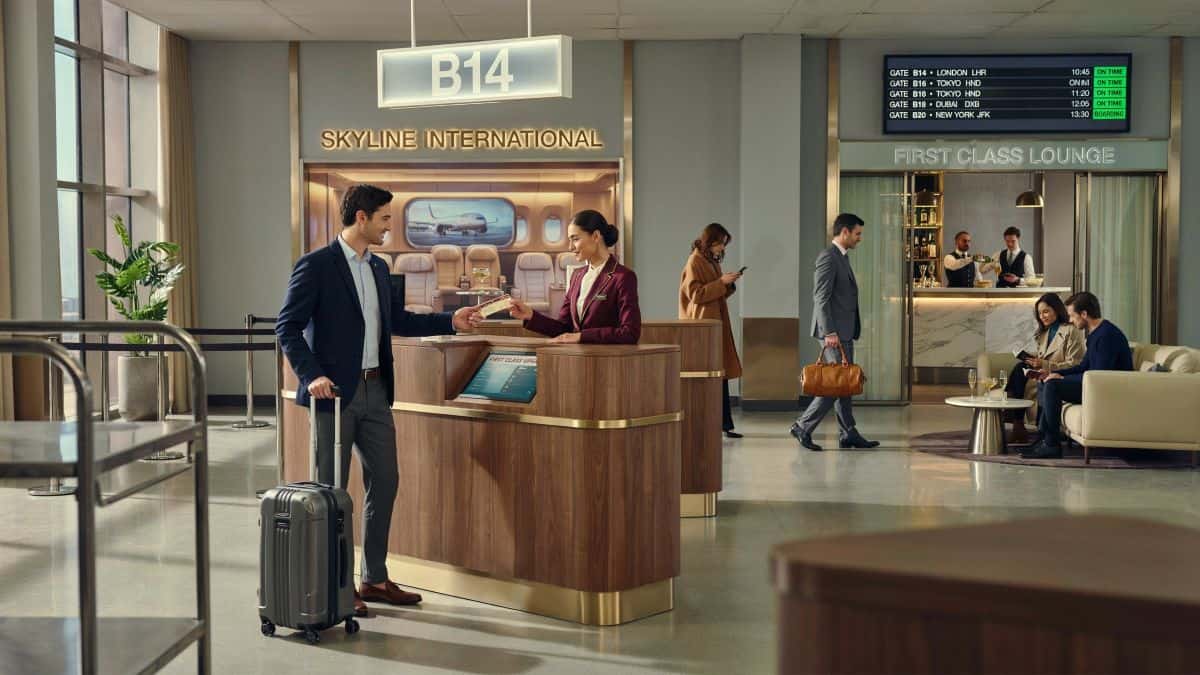
Every year, millions of passengers board flights hoping they might receive a complimentary first-class or business class upgrade. Social media and travel forums are filled with advice suggesting that dressing formally, celebrating a special occasion, or offering gifts to cabin crew can improve the chances of moving to a premium seat. However, guidance shared by an experienced flight attendant, supported by official airline policies, indicates that airline upgrades are typically determined through structured procedures rather than spontaneous decisions made during boarding. Understanding how airlines prioritize upgrades can help travelers set realistic expectations and make informed decisions before their next journey.
Advertisement
Advertisement
Airline Loyalty Programs Continue to Lead Upgrade Priority
One of the most important factors influencing complimentary upgrades is a passenger’s frequent flyer status. Major airlines around the world operate loyalty programs that reward customers who travel regularly with the airline or its partner carriers. These loyalty programs often include multiple membership tiers, with higher-status members receiving priority for available upgrades.
Official airline information explains that when premium cabin seats remain available, upgrade requests are generally processed according to predefined criteria. These commonly include elite membership level, ticket fare class, available upgrade certificates, redemption of loyalty points, and operational requirements. Because these rules are built into airline reservation systems, passengers with higher loyalty status usually have a significantly better opportunity to receive an upgrade than occasional travelers.
Checking In Early Can Make a Difference
Another practical step that may improve upgrade opportunities is completing online check-in as soon as it becomes available. Most airlines allow passengers to check in between 24 and 48 hours before departure, although the timing varies depending on the carrier.
Checking in early does not automatically secure a premium seat, but it may provide an advantage in situations where multiple passengers share the same upgrade priority. Earlier check-in can also provide travelers with better seat selection and allow airlines to finalize passenger arrangements more efficiently before boarding begins.
Passengers should always verify the check-in schedule published by their airline to avoid missing this opportunity.
Advertisement
Advertisement
Flight Attendants Normally Do Not Decide Who Gets Upgraded
Many travelers believe that asking a flight attendant for a better seat or offering a small gift can result in a complimentary upgrade. However, airline operating procedures indicate that cabin crew members are generally not responsible for assigning premium seats.
Seat allocations are normally finalized before passengers board the aircraft. Airport gate agents and automated airline systems handle upgrades according to company policies, leaving cabin crew to focus on passenger safety, onboard service, and operational responsibilities throughout the flight.
As a result, requests made after boarding rarely influence upgrade decisions unless an operational issue requires passengers to be reseated.
Special Celebrations Usually Do Not Influence Upgrade Decisions
Passengers sometimes mention birthdays, anniversaries, honeymoons, or other celebrations in the hope that airlines will reward the occasion with a first-class seat. While airlines often acknowledge these milestones through friendly service or small gestures, official upgrade policies generally do not consider personal celebrations when allocating premium cabins.
Upgrade decisions are instead based on factors established before boarding, including loyalty status, ticket type, and seat availability. This means that celebrating a special event alone is unlikely to change a passenger’s position on the upgrade list.
Advertisement
Advertisement
Solo Travelers May Benefit from Greater Seating Flexibility
Passengers traveling alone may occasionally have a better chance of receiving an operational upgrade than groups or families. From an airline’s perspective, relocating one traveler into an available premium seat is much easier than finding several adjacent premium seats for multiple passengers booked together.
Although this is not an official upgrade policy, it reflects the practical challenges airlines face when managing aircraft seating. Operational flexibility can sometimes work in favor of individual travelers when premium seats remain available close to departure.
A Neat Appearance Can Leave a Positive Impression
The way passengers dress has long been discussed as a possible factor in receiving upgrades. Aviation professionals generally agree that wearing expensive clothing or formal business attire does not automatically increase upgrade priority. However, maintaining a clean, neat, and presentable appearance remains advisable.
Most airlines expect passengers to wear clothing that is appropriate for public travel. Airlines also reserve the right to refuse boarding if attire is considered offensive, unsafe, or inappropriate under their conditions of carriage. While appearance alone will not move a traveler higher on an official upgrade list, presenting oneself professionally helps avoid unnecessary issues during boarding.
Understanding How Airlines Manage Upgrades
Every airline has its own procedures for allocating premium cabin seats, but several common factors are widely used across the industry. These include frequent flyer membership level, fare class, availability of premium seats, redeemed loyalty points, upgrade certificates, and operational needs. Some airlines also allow passengers to purchase discounted upgrades before departure or submit upgrade bids through official channels.
Reviewing the airline’s official loyalty program information before travel can help passengers understand their eligibility and available options rather than relying on unofficial advice circulating online.
Travelers Should Focus on What They Can Control
While stories of unexpected first-class upgrades continue to attract attention, experienced aviation professionals emphasize that there is no guaranteed shortcut to securing a premium seat. Attempts to persuade cabin crew, mentioning a special celebration, or relying solely on stylish clothing are generally ineffective because upgrades are governed by airline systems and established policies.
Passengers who wish to improve their chances should instead concentrate on building loyalty with a preferred airline, checking in promptly, understanding the carrier’s published upgrade rules, and remaining flexible whenever possible. These practical steps align more closely with official airline procedures than many of the myths commonly shared on social media.
Official Airline Policies Offer the Most Reliable Guidance
Travel advice shared online can often be entertaining, but passengers are encouraged to consult official airline websites for accurate information regarding loyalty programs, upgrade eligibility, and premium cabin policies. These resources explain how upgrades are processed and outline the benefits available to eligible travelers.
For passengers hoping to experience the comfort of first class or business class, understanding how airlines actually manage upgrades is far more valuable than relying on popular misconceptions. By following official guidance and maintaining realistic expectations, travelers can make better-informed decisions and enjoy a smoother travel experience.
Advertisement
