
Cambodia Strengthens Global Tourism Appeal Through Heritage Diversification and Authentic Travel Experiences

Published
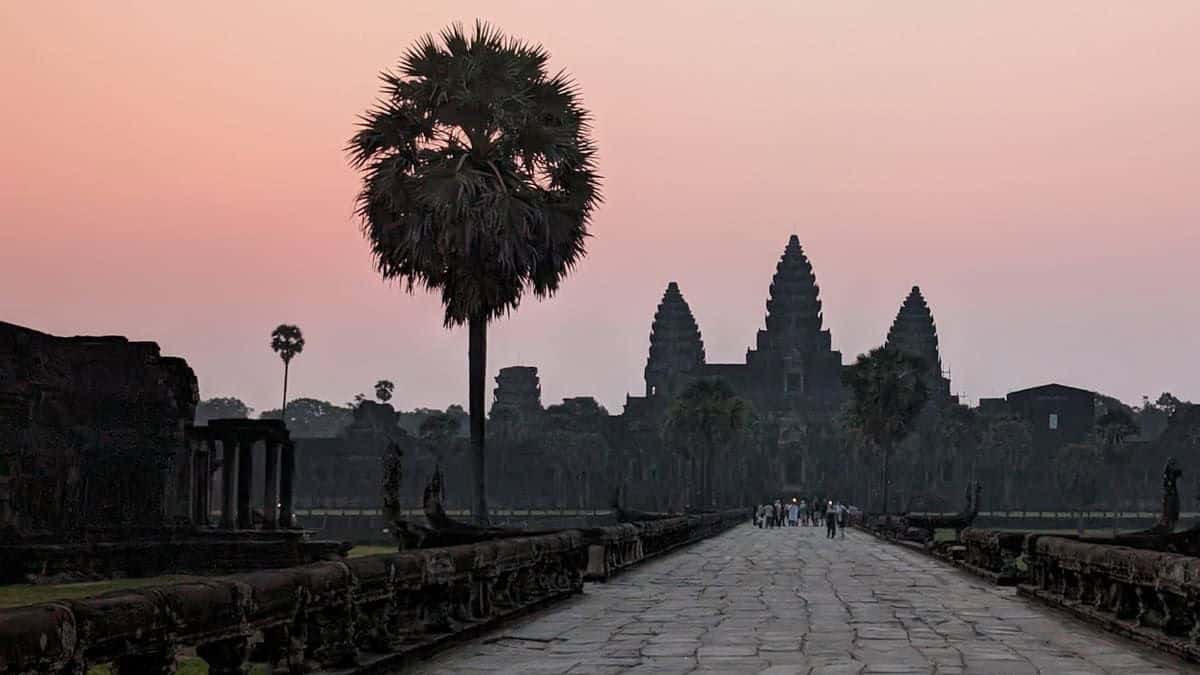
Cambodia is moving towards a broader tourism model that goes beyond its traditional dependence on Angkor Wat by developing a wider network of heritage, cultural and rural travel experiences. The country’s emerging strategy places UNESCO-listed attractions, archaeological landscapes and community-based tourism at the centre of future growth. Siem Reap remains the gateway for international visitors, while destinations connected to Preah Vihear province, including Koh Ker and Preah Vihear Temple, represent Cambodia’s attempt to diversify visitor flows, increase regional economic benefits and create longer, multi-destination journeys.
Cambodia’s Tourism Future Is Moving Beyond A Single Global Attraction
Cambodia’s next tourism phase is increasingly being shaped by diversification rather than concentration. For decades, the country’s international tourism identity has been closely linked with Angkor Wat and Siem Reap, creating one of Southeast Asia’s strongest heritage tourism brands. However, the country is now developing a wider destination ecosystem where archaeological sites, rural communities, cultural landscapes and lesser-known heritage locations can contribute to tourism growth.
Advertisement
Advertisement
The emerging opportunity is not simply about promoting additional temples. It represents a structural shift in Cambodia’s tourism strategy — moving from an attraction-led model towards a multi-experience destination approach.
This transition is important because international travellers are increasingly seeking authentic experiences, slower journeys and destinations that combine heritage, nature and local culture. Cambodia’s expansion beyond Angkor Wat aligns with this changing travel behaviour by creating new reasons for visitors to explore more provinces and extend their stays.
Advertisement
Advertisement
According to Cambodia’s Ministry of Tourism data, the country recorded 5.57 million international tourist arrivals in 2025, alongside 25.16 million domestic tourists and US$3.878 billion in international tourism receipts. The official Tourism Statistics Report highlights the scale of Cambodia’s tourism recovery and the growing importance of expanding tourism products beyond traditional gateways.
Koh Ker And Preah Vihear Become Symbols Of Cambodia’s Heritage Diversification Strategy
The strongest example of Cambodia’s heritage expansion is the increasing attention surrounding Koh Ker and Preah Vihear.
Advertisement
Advertisement
Koh Ker, located in northern Cambodia, gained UNESCO World Heritage status in 2023, strengthening its position as one of the country’s emerging cultural tourism assets. The archaeological complex represents a different tourism experience from Angkor, offering travellers access to a former Khmer capital surrounded by forest landscapes and historic structures.
Preah Vihear Temple, already listed as a UNESCO World Heritage Site since 2008, provides another pillar of Cambodia’s northern heritage tourism network. Located on a 525-metre cliff in the Dangrek Mountains, the site offers a combination of architecture, history and dramatic natural scenery.
Advertisement
Advertisement
The significance of these destinations is not only their heritage value. Their importance lies in how they support Cambodia’s broader ambition to distribute tourism activity across more locations.
| Heritage destination | Tourism significance | Role in Cambodia’s diversification |
|---|---|---|
| Angkor Wat and Siem Reap | Cambodia’s primary international tourism gateway | Established global heritage tourism foundation |
| Koh Ker | UNESCO-listed archaeological landscape | Emerging cultural tourism expansion point |
| Preah Vihear Temple | UNESCO cliff-top heritage attraction | Northern Cambodia heritage tourism development |
| Rural communities | Local cultural and economic participation | Supports sustainable tourism growth |
Siem Reap’s Role Is Changing From Final Destination To Tourism Gateway
Siem Reap remains central to Cambodia’s tourism economy, but its future role is evolving.
Instead of functioning only as the location where travellers visit Angkor Wat before leaving Cambodia, Siem Reap has the potential to become a gateway connecting visitors with wider cultural circuits.
This approach could encourage longer stays by linking traditional heritage tourism with:
Advertisement
Advertisement
- archaeological exploration
- rural experiences
- local food tourism
- nature-based activities
- community tourism
The Ministry of Tourism has also been developing destination planning approaches that connect cultural and natural tourism experiences. Its official tourism development updates highlight efforts to strengthen destination quality, sustainability and broader tourism products.
For international tour operators, this creates opportunities to design new Cambodia itineraries that move beyond conventional short visits.
Cambodia’s Heritage Expansion Creates New Opportunities For Travel Operators
The diversification strategy creates commercial opportunities across several tourism sectors.
Tour Operators
Travel companies can develop:
- extended heritage circuits
- northern Cambodia archaeological journeys
- cultural immersion packages
- slow travel itineraries
Instead of selling Cambodia as a single-site destination, operators can package multiple experiences that encourage longer visitor stays.
Accommodation Providers
As new tourism areas develop, demand could increase for:
Advertisement
Advertisement
- boutique stays
- eco-lodges
- community-based accommodation
- small-scale hospitality projects
The challenge will be maintaining quality standards while protecting heritage environments.
Transport And Connectivity
Accessibility remains one of the biggest factors determining whether emerging destinations can attract international travellers.
Preah Vihear province has historically faced challenges linked with remoteness and infrastructure limitations. Official tourism information highlights the province’s combination of heritage attractions and rural experiences while also recognising the importance of improving visitor access.
Future tourism growth will depend on:
- reliable road connections
- visitor facilities
- digital information systems
- guided tourism services
- sustainable transport solutions
Official Tourism Data Shows Growing Interest In Emerging Heritage Sites
The growth potential of Cambodia’s lesser-known heritage destinations is already visible.
According to Cambodia’s Ministry of Tourism information, Preah Vihear and Koh Ker archaeological sites together welcomed almost 200,000 tourists in 2023. Koh Ker recorded 105,464 visitors, while Preah Vihear Temple received 92,966 visitors during the same period.
Advertisement
Advertisement
| Site | Visitors in 2023 | Tourism significance |
|---|---|---|
| Koh Ker | 105,464 | Growing interest after UNESCO recognition |
| Preah Vihear Temple | 92,966 | Established UNESCO heritage attraction |
| Combined total | 198,430 | Evidence of emerging heritage demand |
These numbers remain small compared with Cambodia’s major tourism destinations, but they demonstrate the potential for future expansion.
The key opportunity is not replacing Angkor Wat. Instead, Cambodia’s strategy appears focused on creating a connected tourism system where Angkor acts as the international entry point and other destinations encourage deeper exploration.
Why This Matters For Global Travellers
The rise of Cambodia’s broader heritage tourism network could change how international visitors experience the country.
Future travellers may increasingly look beyond traditional sightseeing and choose journeys that combine:
- ancient history
- local communities
- landscapes
- conservation experiences
- authentic cultural encounters
For markets such as Europe, North America and Asia-Pacific, Cambodia could become more attractive as a multi-day cultural destination rather than a short heritage stop.
This also supports sustainable tourism objectives by spreading visitor spending across more communities instead of concentrating economic benefits in a limited number of locations.
Advertisement
Advertisement
Cambodia’s Long-Term Tourism Challenge Will Be Balancing Growth And Conservation
While diversification creates opportunities, Cambodia must manage several challenges.
Rapid tourism expansion around fragile heritage sites can create pressure on:
- archaeological preservation
- local environments
- community resources
- visitor management systems
The future success of Cambodia’s tourism diversification strategy will depend on maintaining a balance between increasing international visibility and protecting cultural assets.
UNESCO-listed destinations require careful planning because their value depends not only on visitor numbers but also on long-term conservation.
Critical Takeaways For Travel Agents And Tour Operators
- Develop Cambodia packages beyond Angkor Wat by incorporating emerging heritage experiences.
- Consider multi-day cultural itineraries connecting Siem Reap with northern heritage destinations.
- Monitor infrastructure improvements affecting access to remote attractions.
- Promote responsible tourism practices around UNESCO-listed locations.
- Build community-based experiences that provide local economic benefits.
- Prepare travellers for more immersive journeys rather than traditional sightseeing-only visits.
- Highlight Cambodia as a wider cultural destination instead of a single-attraction holiday market.
Future Outlook
Cambodia’s tourism diversification represents a strategic shift towards a broader national travel identity. The country’s long-term opportunity lies in transforming its heritage assets into a connected tourism network that combines global attractions with lesser-known cultural experiences.
As international travellers increasingly search for meaningful and authentic journeys, Cambodia’s move beyond Angkor Wat could strengthen its position as a major Southeast Asian heritage destination. Siem Reap will remain the international gateway, while destinations linked with Preah Vihear province and other emerging regions could become important components of the country’s next tourism growth chapter.
Advertisement
