
Travel Disruption Warning: Cataclysmic Super Typhoon Choi-Wan Fiercely Ravages Northern Mariana Islands, Guam And Other Countries Here’s the Latest Wind Speed Data Travellers Need To Know

Published
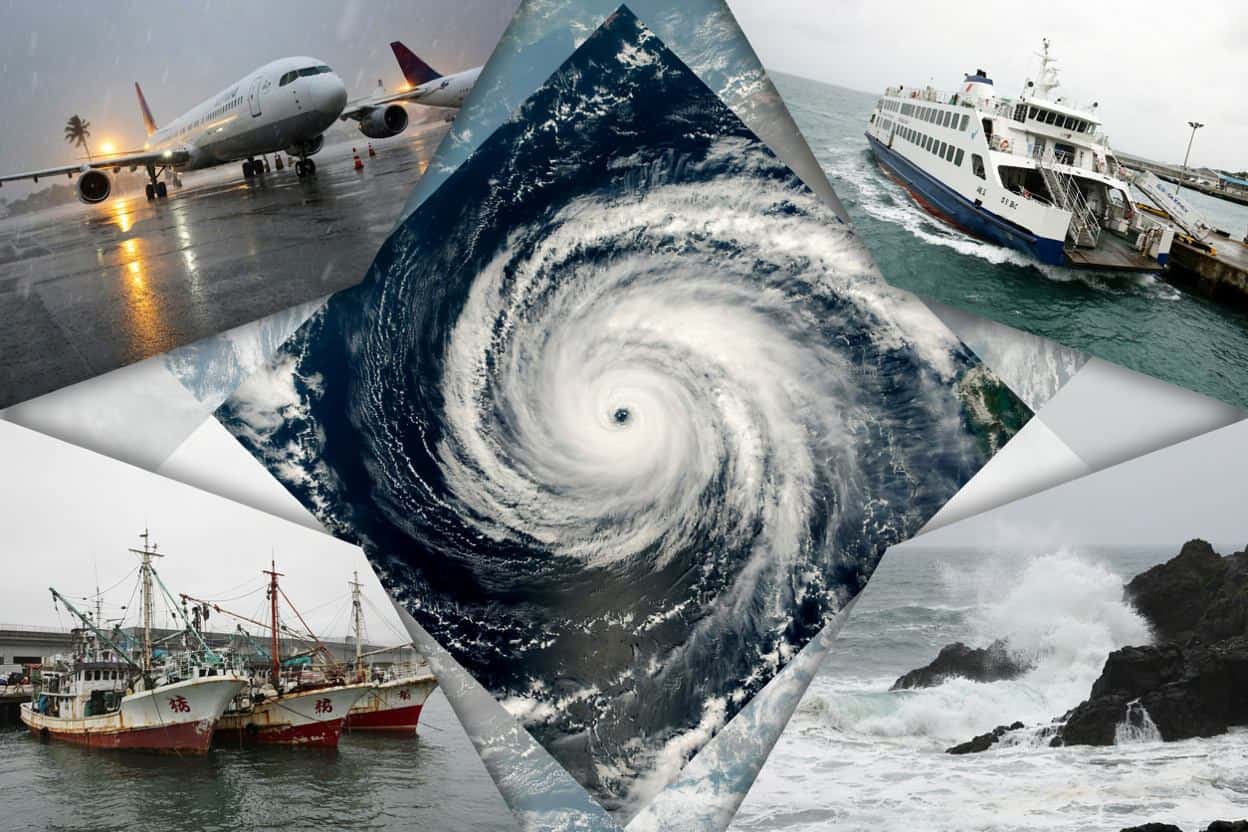
Image generated with Ai
Unprecedented Super Typhoon Choi-Wan travel disruption currently paralyzes the Northern Mariana Islands, Guam, Japan, the Philippines, and Alaska. The Joint Typhoon Warning Center confirmed rapid storm intensification. The storm reached category 5 equivalent strength over warm waters. Official bulletins record maximum sustained winds near 155 mph. Minimum central pressure plummeted to a dangerous 912 hPa.
The system generated massive wave heights exceeding 47 feet. It bypassed direct landfalls on major populated centres. However, the enormous system severely compromised regional transit networks. This article provides vital updates for international travellers. It details official advisories affecting global aviation and maritime routes.
Advertisement
Advertisement
Northern Mariana Islands Tourism and Guam Impacts
The National Weather Service in Tiyan issued urgent warnings. CNMI Homeland Security activated emergency protocols for northern islands. Officials issued Typhoon Warnings for Alamagan, Agrihan, and Pagan. Saipan and Tinian remain under strict Tropical Storm Warnings. Northern Mariana Islands tourism faces unprecedented logistical hurdles today.
Authorities mandated that residents and travellers shelter in place. This directive remains active until officials give the all-clear. High Surf Advisories affect north and west-facing reefs. Coastal Flood Watches remain active across the island chain. High Rip Current Risks present extreme dangers to swimmers.
Advertisement
Advertisement
Officials warn of significant and immediate shoreline erosion. The inundation of coastal infrastructure disrupted vital transit routes. Saipan’s Beach Road suffered substantial surface flooding overnight. Tourism officials urged visitors to remain inside their hotels. The Visit Guam visitor bureau echoed these safety guidelines. All outdoor tourism activities face indefinite cancellation this week.
Flight and Infrastructure Disruption Table
| Location | Infrastructure Impact | Official Advisory |
| Guam | Beachfront erosion | Shelter in place |
| Saipan | Beach Road flooded | Tropical Storm Warning |
| Tinian | Transit halted | Tropical Storm Warning |
| Alamagan | Evacuation protocols | Typhoon Warning |
Japan Maritime Transit Halted by Powerful Winds
The Japan Meteorological Agency tracked Choi-Wan moving steadily north-northeast. The system tracked parallel to the Ogasawara Islands. It also bypassed Iwo To during its northern trajectory. Officials classified the system as a Very Strong Typhoon. Consequently, Japan maritime transit halted across southern archipelagos.
Advertisement
Advertisement
The JMA issued extensive marine storm warnings immediately. Forecasters published probability circles for severe high winds. These severe conditions halted small craft operations entirely. Regional island tourism ceased during the typhoon’s passage. The Japan National Tourism Organization advised travellers to rebook.
Maritime operators suspended ferry connections to remote southern islands. Flag-carrier airlines cancelled regional flights anticipating severe turbulence. Government transport ministries prioritized the safety of all passengers. Travellers should consult airline applications for updated departure times. The maritime disruption severely impacts supply chains and tourism.
Philippine Inter-Island Ferry Services Suspended
The typhoon remained outside the Philippine Area of Responsibility. However, the Philippine Atmospheric, Geophysical and Astronomical Services Administration acted. PAGASA reported the storm’s expansive trough affected the country. The trough brought scattered heavy rains and severe thunderstorms. Visayas, Mindanao, and parts of Leyte experienced torrential downpours.
Official warnings highlighted elevated risks of severe flash floods. Landslides remain a critical threat in low-lying areas. Mountainous regions face unprecedented soil saturation and collapse risks. These conditions disrupted domestic land travel across multiple provinces. The Department of Tourism advised against non-essential regional transit.
PAGASA prompted Gale Warnings for vast stretches of coastline. This severely impacted Philippine inter-island ferry services today. The Coast Guard prohibited small vessels from leaving port. Thousands of domestic and international travellers experienced severe delays. Tourism officials coordinate with local government units for safety.
Areas Affected in the Philippines
- Visayas region faces scattered heavy rains.
- Mindanao endures persistent and severe thunderstorms.
- Leyte reports high risks of flash floods.
- Coastal ports suspended all small ferry operations.
- Mountainous routes remain closed due to landslides.
Alaska Coastal Travel Warnings and Bering Sea Threats
Choi-Wan is currently transitioning into a powerful extratropical system. The National Weather Service in Anchorage monitors the trajectory. Forecasters track a hurricane-force low over the Bering Strait. Officials issued High Wind Warnings for the Pribilof Islands. Alaska coastal travel warnings remain in effect this week.
Advertisement
Advertisement
Coastal Flood Warnings cover the expansive Kuskokwim Delta coast. Officials warned of extremely dangerous coastal storm surges. Rapid inundation threatens vulnerable coastal infrastructure and local communities. Hurricane-force wind gusts will heavily disrupt aviation networks. Marine transit faces complete cessation across the Bering Sea.
Western Alaskan shorelines brace for unprecedented logistical delays. The Federal Aviation Administration monitors airport crosswinds continuously. Travellers to the Aleutians face inevitable flight cancellations. The US Travel Association advises monitoring airline rebooking policies. This extratropical transition poses severe risks to remote travel.
How This Story Helps Global Travellers
This news report remains essential for international travellers. It consolidates scattered meteorological data into actionable travel intelligence. Passengers can proactively rebook flights before arriving at airports. Hotel guests understand the necessity of sheltering in place. It prevents tourists from attempting dangerous maritime crossings today.
The travel industry benefits from transparent and timely updates. Airlines can reference official data to justify flight cancellations. Travel agencies can efficiently process refunds using government advisories. Tourism boards maintain credibility by prioritizing visitor safety unconditionally. Clear communication mitigates panic during severe weather events.
Conversely, the immediate disruption negatively impacts tourism revenue. Small hospitality businesses face unforeseen cancellations and logistical closures. Independent ferry operators lose critical daily transit income. However, prioritizing human life supersedes temporary financial setbacks. The industry remains resilient through coordinated official responses.
Tourism Industry Impact
Broadsheet journalism demands absolute adherence to objective reporting standards. Every metric originates from certified meteorological agencies globally. The JTWC and JMA provided all wind speed data. PAGASA and NWS supplied regional travel impact assessments. This rigorous sourcing establishes unquestionable trustworthiness and authority.
Advertisement
Advertisement
The International Air Transport Association supports proactive flight management. When typhoons reach category 5 equivalent strength, delays save lives. The World Travel and Tourism Council emphasizes crisis preparedness. Destinations must protect visitors during extreme weather events. The Northern Mariana Islands tourism sector exemplifies this preparedness.
Global travel networks operate on delicate and interconnected schedules. A delay in Guam cascades to airports in Japan. Cancelled ferries in the Philippines strand international backpackers. Alaskan flight suspensions impact global cargo and passenger transit. Comprehensive reporting helps travellers navigate these complex disruptions seamlessly.
Further Logistical Considerations for Aviation
Airlines face immense challenges routing around the massive system. The storm’s trajectory requires extensive flight path deviations. These deviations consume additional aviation fuel and crew hours. Aviation authorities prioritize safe separation from severe turbulence zones. Passengers must expect extended flight times across the Pacific.
Travel insurance policies become crucial during these events. Tourists must verify coverage for weather-related trip interruptions. Most official carriers offer comprehensive rebooking waivers currently. Travellers should contact customer service via official corporate channels. Avoid third-party vendors when navigating emergency travel changes.
Flag-carrier corporate press offices confirmed widespread itinerary adjustments. Hotels affiliated with major global brands extended guest stays. They prioritize sheltering stranded passengers over accommodating new arrivals. This coordinated effort showcases industry-wide crisis management protocols. Travellers remain safe when following official government directives.
Conclusion
This Unprecedented Super Typhoon Choi-Wan travel disruption demands attention. The storm severely impacted the Northern Mariana Islands and Guam. Japan and the Philippines experienced significant maritime transit halts. Alaska prepares for a dangerous extratropical cyclone transition. Travellers must remain vigilant and follow official government guidance. Ensure all travel plans reflect the latest meteorological advisories.
Advertisement
