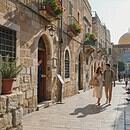
Image generated with Ai
Colombia continues to attract explorers in 2026 with its remarkable collection of colourful towns, colonial settlements, coffee villages and nature-rich destinations. The growing demand for immersive travel is pushing places like Guatapé, Villa de Leyva, Salento and Barichara into the spotlight. Travellers want genuine discovery, unique adventures and deeper cultural experiences away from crowded destinations. Beyond famous cities such as Bogotá, Medellín and Cartagena, smaller Colombian towns are gaining attention for authentic experiences, outdoor adventures, indigenous heritage, gastronomy and preserved architecture.
The country’s network of heritage towns, including destinations such as Villa de Leyva, Barichara and Jardín, showcases Colombia’s diverse landscapes and cultural identity. From mountain villages surrounded by coffee plantations to lakeside towns decorated with traditional artwork, these destinations offer travellers deeper connections with Colombia’s history and natural beauty.
| Colombian Town | Region | Why Explorers Should Visit in 2026 | Main Attractions & Experiences | Best For | Ideal Travel Period |
|---|---|---|---|---|---|
| Guatapé | Antioquia | One of Colombia’s most visually striking towns, combining colourful streets, adventure activities and dramatic landscapes | El Peñón de Guatapé, reservoir views, zócalos (decorative house murals), boat trips, kayaking and viewpoint hikes | Adventure travellers, photographers, weekend explorers | December–March and July–August |
| Villa de Leyva | Boyacá | A historic colonial town offering architecture, archaeology, astronomy and countryside experiences | Plaza Mayor, cobbled streets, fossil museums, vineyards, Iguaque Sanctuary, desert landscapes | History lovers, culture travellers, slow travellers | December–February and June–August |
| Salento | Quindío | A gateway to Colombia’s famous Coffee Cultural Landscape and dramatic mountain scenery | Cocora Valley, wax palms, coffee farms, hiking routes, traditional jeep tours | Nature explorers, coffee enthusiasts, hikers | December–March |
| Jardín | Antioquia | A preserved Antioquian town known for colourful architecture, biodiversity and authentic local life | Basilica of the Immaculate Conception, coffee farms, waterfalls, birdwatching, mountain trails | Eco-tourists, photographers, cultural explorers | June–August and December–January |
| Barichara | Santander | A peaceful heritage town famous for stone architecture and scenic hiking routes | Camino Real trail, colonial streets, viewpoint walks, artisan workshops | Walking travellers, heritage explorers | December–February |
| Filandia | Quindío | A quieter alternative to busier coffee destinations, offering landscapes, crafts and rural experiences | Mirador de Filandia, coffee plantations, nature reserves, local markets | Sustainable travellers, photographers, slow tourism visitors | January–March |
| Mompox (Santa Cruz de Mompox) | Bolívar | A UNESCO-listed historic town with river culture and colonial charm | Colonial churches, Magdalena River experiences, goldsmith traditions, cultural festivals | Heritage travellers, history enthusiasts | December–April |
| Jericó | Antioquia | A cultural and spiritual destination blending heritage, crafts and mountain scenery | Colonial centre, coffee landscapes, museums, artisan traditions and viewpoints | Cultural explorers and photographers | December–March |
| Monguí | Boyacá | A mountain town offering colonial beauty and access to high-altitude nature | Basilica of Our Lady of Monguí, cobbled streets, páramo landscapes, hiking routes | Adventure travellers and mountain lovers | December–February |
| Santa Fe de Antioquia | Antioquia | A historic colonial town with one of Colombia’s richest architectural collections | Puente de Occidente, colonial churches, museums, traditional festivals | Architecture lovers and cultural travellers | December–March |
The growing popularity of Colombian towns is driven by a global shift towards slower, experience-based travel. Modern explorers are looking for destinations that combine culture, nature and personal discovery, and Colombia’s smaller communities provide exactly that combination.
Unlike crowded international tourism hotspots, many Colombian towns allow visitors to experience local life at a relaxed pace. Travellers can walk through historic streets, taste regional cuisine, discover traditional crafts and explore landscapes that remain closely connected to local communities.
Advertisement
Advertisement
The rise of these destinations also reflects Colombia’s efforts to promote heritage tourism. Programmes supporting heritage towns aim to preserve architecture, cultural expressions and traditional knowledge while creating economic opportunities through responsible tourism.
In 2026, explorers are increasingly choosing destinations where every street, mountain trail and local market tells a story. Colombian towns provide that connection by combining centuries of history with modern adventure opportunities.
The appeal is also linked to the diversity of Colombia’s geography. Visitors can move from Caribbean river landscapes to Andean mountains and coffee-growing regions while discovering unique towns shaped by different cultural influences.
Guatapé has become one of Colombia’s most recognisable small-town destinations because it delivers a rare combination of visual beauty, adventure and cultural identity. Located in Antioquia, the town attracts travellers with its colourful streets, decorated houses and spectacular reservoir landscapes.
Advertisement
Advertisement
The town’s famous zócalos, detailed artistic panels displayed on buildings, create a unique visual identity that makes Guatapé one of the most photographed destinations in Colombia. Visitors can explore traditional streets while learning about local history and craftsmanship.
The biggest attraction remains El Peñón de Guatapé, a massive granite rock offering panoramic views over the surrounding lakes and islands. The climb to the summit rewards explorers with one of Colombia’s most impressive landscapes.
Beyond sightseeing, Guatapé provides adventure activities including boat tours, kayaking and outdoor exploration. Its proximity to Medellín also makes it accessible for international travellers who want to combine urban experiences with nature-based tourism.
In 2026, Guatapé continues to represent Colombia’s ability to combine adventure tourism with cultural preservation, making it a priority destination for explorers seeking memorable landscapes.
Villa de Leyva continues to attract explorers because it preserves one of Colombia’s most impressive colonial environments. Located in Boyacá, the town is famous for its whitewashed buildings, cobblestone streets and historic atmosphere.
The destination offers travellers a journey into Colombia’s past while providing access to natural and scientific attractions. Its enormous Plaza Mayor, surrounded by colonial architecture, remains the centre of local life and cultural events.
Beyond the town itself, visitors can explore fossil sites, vineyards, museums and nearby natural areas. The surrounding landscapes include mountains and semi-desert environments, creating opportunities for hiking and photography.
Villa de Leyva’s ability to protect its architectural character has helped it become one of Colombia’s most important heritage destinations. The town was declared a National Monument because of its preserved historic structures.
For 2026 explorers, Villa de Leyva offers a rare balance between cultural discovery and outdoor adventure. It allows visitors to experience Colombia’s history while enjoying a peaceful mountain setting away from larger tourist centres.
Colombia’s coffee region remains one of the country’s strongest attractions, and towns such as Salento and Filandia are becoming essential destinations for travellers interested in agriculture, landscapes and rural culture.
Salento serves as a gateway to the famous Cocora Valley, where visitors can witness Colombia’s iconic wax palms rising dramatically above green mountain scenery. The town combines traditional architecture with access to hiking routes, coffee farms and ecological experiences.
Travellers can visit coffee plantations to understand the production process, from cultivation to preparation. These experiences provide a direct connection with one of Colombia’s most recognised cultural exports.
Filandia offers a quieter alternative, attracting visitors through scenic viewpoints, traditional crafts and authentic village experiences. Its slower pace appeals to travellers who want to explore rural Colombia without the intensity of larger destinations.
Together, Salento and Filandia represent Colombia’s growing focus on experiential tourism. They allow visitors to discover landscapes, traditions and communities while supporting local economies.
In 2026, coffee tourism continues to strengthen Colombia’s reputation as a destination where natural beauty and cultural experiences exist side by side.
Barichara is gaining international attention as one of Colombia’s most beautifully preserved heritage towns. Located in Santander, the destination is recognised for its stone architecture, peaceful atmosphere and historic streets.
The town’s carefully preserved colonial character makes it a favourite among travellers interested in architecture and photography. Its churches, stone pathways and traditional buildings create an atmosphere that feels connected to Colombia’s past.
One of the biggest attractions is the historic walking route connecting Barichara with nearby Guane. The trail provides spectacular views of the surrounding countryside while allowing travellers to experience the region on foot.
Barichara also supports local artisans who continue traditional crafts, including handmade products reflecting regional skills and heritage.
For explorers in 2026, Barichara represents a different style of adventure. Instead of fast-paced tourism, it offers slow discovery through walking, cultural interaction and landscape exploration.
The town demonstrates how heritage preservation can become a major tourism advantage while maintaining local identity.
While destinations such as Guatapé and Villa de Leyva receive significant international attention, smaller towns like Jardín, Jericó and Monguí are becoming increasingly attractive for travellers seeking less crowded experiences.
Jardín, located in Antioquia, combines colourful architecture with biodiversity and mountain scenery. The town provides opportunities for hiking, birdwatching and exploring coffee-growing communities. It is also recognised among Colombia’s heritage towns.
Jericó attracts visitors through religious heritage, artisan traditions and dramatic mountain views. Meanwhile, Monguí appeals to travellers interested in high-altitude landscapes and outdoor adventures.
These destinations demonstrate Colombia’s expanding tourism diversity. Visitors are no longer only searching for famous landmarks. They are looking for places where they can slow down, connect with communities and discover authentic regional identities.
In 2026, these lesser-known towns are expected to gain more attention because they offer unique experiences without the overwhelming crowds found in many global destinations.
Colombia’s small towns succeed because they offer multiple travel experiences within compact destinations. A visitor can explore history in the morning, hike through nature in the afternoon and enjoy local cuisine in the evening.
Key reasons explorers are choosing Colombian towns include:
The future of Colombian tourism is increasingly connected to these towns because they provide experiences that cannot be replicated elsewhere.
Colombia’s must-visit towns in 2026 demonstrate how exploration tourism is evolving. Destinations such as Guatapé, Villa de Leyva, Salento, Barichara and Jardín are attracting travellers because they combine heritage, adventure and authentic local experiences.
These towns offer more than beautiful scenery. They provide stories, traditions and connections that transform ordinary trips into meaningful journeys.
As global travellers continue searching for unique destinations, Colombia’s historic villages and nature-rich communities are becoming some of the most rewarding places to explore in South America.
Colombia’s rising town tourism movement proves that smaller destinations can create powerful global appeal. The cause behind this growth is a changing traveller mindset focused on authenticity, nature and cultural exploration. The answer lies in towns that preserve history while offering modern adventure opportunities. Guatapé and other Colombian gems provide exactly what explorers seek in 2026: unforgettable landscapes, local traditions and unique journeys. These destinations are becoming important because they deliver experiences that larger tourist centres often cannot provide. With strong heritage, diverse environments and community-driven tourism, Colombia’s towns are set to remain among the world’s most exciting travel discoveries.
Advertisement
Advertisement
Advertisement













Monday, September 7, 2026

Monday, September 7, 2026

Monday, September 7, 2026

Sunday, September 6, 2026
Saturday, September 5, 2026

Monday, September 7, 2026

Monday, September 7, 2026