Image generated with Ai
International travellers planning to explore America’s most famous natural landscapes are facing new costs as the United States introduces additional national park charges for non-residents. The latest US travel update highlights a major change affecting visitors from overseas, with a new $100 non-resident fee for travellers aged 16 and above at 11 of the most visited US national parks, added on top of existing entrance charges.
The new policy applies from 2026 and affects globally recognised destinations including Yellowstone, Yosemite and the Grand Canyon. According to the National Park Service, the additional revenue is intended to support park infrastructure, visitor services, maintenance and conservation efforts.
For international visitors planning road trips, wildlife holidays and outdoor adventures across the United States, the change means national park costs will become an important part of travel budgeting.
The latest US travel update reflects a new approach to funding America’s national parks as authorities seek additional resources to maintain some of the world’s most visited natural attractions.
Advertisement
Beginning in 2026, non-US residents aged 16 and older visiting 11 selected national parks must pay an additional $100 non-resident fee along with the regular entrance fee.
The National Park Service states that the charge applies at Acadia National Park, Bryce Canyon National Park, Everglades National Park, Glacier National Park, Grand Canyon National Park, Grand Teton National Park, Rocky Mountain National Park, Sequoia and Kings Canyon National Parks, Yellowstone National Park, Yosemite National Park and Zion National Park.
These parks attract millions of visitors each year and require significant investment in roads, trails, visitor centres, conservation programmes and emergency services.
For international travellers, the new charge means careful planning will become increasingly important when designing multi-park itineraries.
Advertisement
Advertisement
The new non-resident charge affects some of the United States’ most famous outdoor destinations.
Yellowstone National Park remains one of America’s strongest international tourism attractions because of its geothermal wonders, including Old Faithful, along with its wildlife experiences featuring bison, bears and wolves.
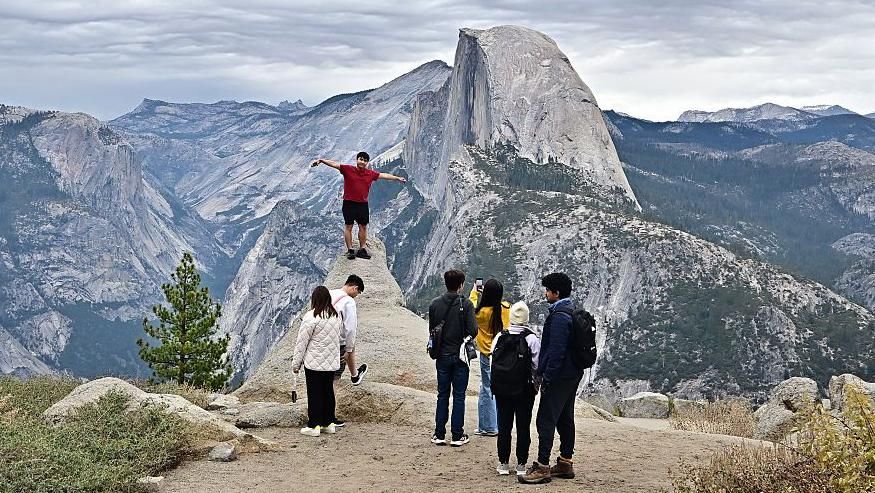
Yosemite National Park continues attracting visitors from around the world through its dramatic granite cliffs, waterfalls, forests and mountain landscapes. The National Park Service confirms that non-US residents aged 16 and older visiting Yosemite must pay the additional $100 fee unless covered by an eligible pass.
The Grand Canyon remains another major international attraction, drawing travellers who want to experience one of the planet’s most recognisable natural viewpoints.
Other affected destinations include Acadia National Park in Maine, known for coastal scenery; Bryce Canyon National Park in Utah, famous for its unusual rock formations; Everglades National Park in Florida, recognised for wetlands and wildlife; and Glacier National Park in Montana, known for dramatic mountain landscapes.
The list also includes Grand Teton National Park, Rocky Mountain National Park, Sequoia and Kings Canyon National Parks and Zion National Park.
The additional charge could influence how overseas visitors plan their American holidays.
Many international tourists combine several national parks during one extended journey, especially travellers exploring the western United States.
A visitor from Europe, Asia or Australia may include Yellowstone, Grand Canyon, Zion and Yosemite within one road trip covering several states.
For families and larger groups, the additional cost could become significant because the fee applies individually to each non-US resident aged 16 and above.
However, frequent visitors may find value in purchasing the new annual pass option.
The National Park Service has introduced the America the Beautiful Non-Resident Annual Pass, priced at $250, which covers the non-resident fee at participating parks.
This option may benefit travellers visiting multiple national parks during one holiday.
The new annual pass provides international visitors with an alternative way to manage national park costs.
Instead of paying the additional $100 fee at every eligible park, non-residents can purchase the $250 annual pass, which covers entry arrangements at participating locations.
The pass is particularly useful for travellers planning longer American journeys involving multiple parks.
It can also support families, guided tours and adventure travellers who want to explore several protected landscapes during one trip.
The National Park Service explains that the pass can cover the pass holder and additional eligible adults in certain circumstances, depending on whether entrance fees are charged per vehicle or per person.
America’s national parks are among the country’s strongest international tourism assets.
Millions of visitors travel to the United States specifically to experience protected landscapes, wildlife encounters and outdoor adventures.
National park tourism supports surrounding communities through accommodation, restaurants, transport services, guided tours and outdoor businesses.
A traveller visiting Yellowstone, for example, may also stay in nearby gateway towns, hire local guides, purchase outdoor equipment and support regional businesses.
The new fee structure is therefore not only about park access. It is also connected with maintaining destinations that support large tourism economies.
The Department of the Interior has stated that revenue from the updated fee approach will support infrastructure improvements, visitor services and better access to recreational areas.
The introduction of additional costs comes at a time when destinations worldwide are competing for international visitors.
Travel decisions are influenced by several factors, including affordability, accessibility, visitor experience and overall holiday value.
Some travellers may accept higher national park fees if they see improvements in trails, facilities and conservation efforts.
Others may compare the cost of a US outdoor holiday with alternative destinations offering similar nature experiences.
For international visitors, national park fees represent only one part of the overall travel budget, which also includes flights, accommodation, transport, food and activities.
The impact on demand may depend on how travellers perceive the value of these protected landscapes.
Visitors planning American national park holidays should research costs before travelling.
The National Park Service recommends checking official information for entrance fees, reservation requirements and available passes before visiting.
Travellers should consider how many parks they plan to visit, whether the annual pass provides better value and whether reservations are required during peak seasons.
Planning is especially important for popular destinations such as Yosemite, Yellowstone and Grand Canyon, where accommodation and activities often require advance booking.
Visitors should also consider seasonal weather conditions, road access, travel insurance and local park regulations before starting their journey.
Despite the additional costs, America’s national parks remain among the world’s most extraordinary travel experiences.
Yellowstone offers geothermal landscapes, wildlife and unique natural features that cannot easily be found elsewhere.
Yosemite provides dramatic mountain scenery, waterfalls and iconic viewpoints.
The Grand Canyon delivers one of the world’s most famous natural landscapes, attracting millions of visitors who want to witness its vast scale.
Zion offers spectacular canyon adventures, while Glacier National Park provides wilderness experiences surrounded by mountains and lakes.
For many travellers, these destinations represent once-in-a-lifetime journeys.
The new fee structure may change travel budgets, but demand for America’s natural wonders remains strong.
The additional $100 non-resident fee applies to 11 major national parks, including Yellowstone, Yosemite, Grand Canyon, Zion and Glacier.
Non-US residents aged 16 and above pay an additional $100 per person at participating parks, along with standard entrance fees.
Yes. International travellers can purchase the America the Beautiful Non-Resident Annual Pass for $250.
Officials say the additional revenue will support park maintenance, visitor facilities and infrastructure improvements.
No. The additional non-resident fee applies specifically to non-US residents at selected national parks.
The latest US travel update reveals a significant change for international visitors exploring America’s iconic national parks. The introduction of additional non-resident fees means overseas travellers will need to plan their budgets more carefully when visiting some of the country’s most famous landscapes.
However, America’s national parks remain among the world’s most powerful tourism attractions. Their extraordinary scenery, wildlife and outdoor experiences continue drawing visitors from every continent.
For international travellers, preparation will become more important than ever. Understanding entrance fees, choosing the right passes and planning routes carefully can help create smoother journeys.
The future of US nature tourism will depend on finding the right balance between visitor access, conservation funding and affordability while protecting the landscapes that make America’s national parks unforgettable.
Image Source: BBC
Advertisement
Tags: glacier national park, Grand Canyon, United States, Yellowstone National Park, Yosemite National Park
Advertisement
Advertisement













Monday, September 7, 2026

Monday, September 7, 2026

Monday, September 7, 2026

Sunday, September 6, 2026

Saturday, September 5, 2026

Monday, September 7, 2026

Sunday, September 6, 2026