
United States Airlines Including American, Delta, Southwest and United Waive Flight Change Fees Ahead of Major Winter Storm Impacting Key Airports Nationwide

Published
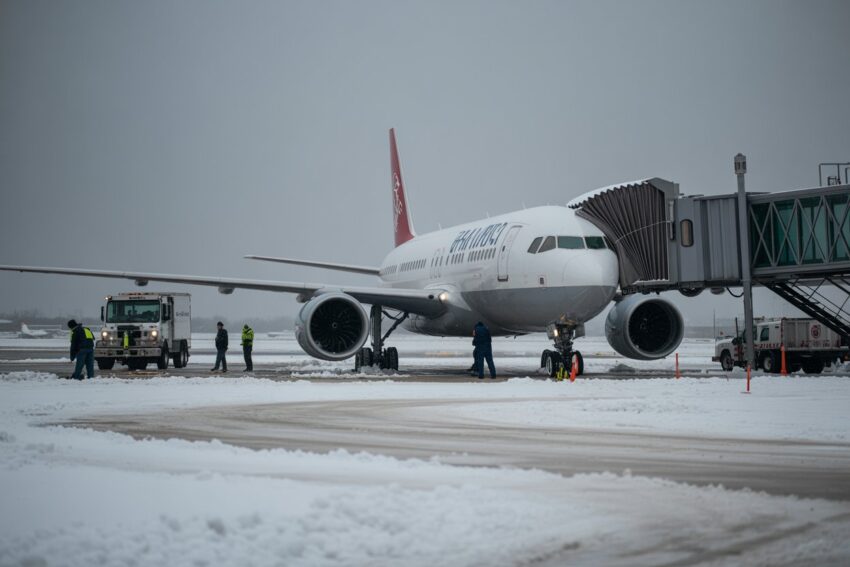 Image generated with Ai
As a powerful winter storm approaches large parts of the United States, major U.S. airlines are taking early action to reduce travel disruptions for passengers. Carriers including American Airlines, Delta Air Lines, Southwest Airlines, and United Airlines have announced temporary waivers of flight change fees for customers whose travel plans may be affected by the severe weather.
According to official airline travel advisories and weather briefings from U.S. government meteorological agencies, the storm is expected to move from the central Plains toward the Midwest and Northeast later this week, bringing heavy snow, ice accumulation, and strong winds. Major aviation hubs—including Chicago, Denver, New York, and Boston—are likely to experience delays and cancellations as conditions deteriorate.
Advertisement
Advertisement
Why Airlines Are Waiving Change Fees
Winter storms often cause widespread disruptions to air travel, including grounded aircraft, limited runway operations, and delayed flight crews. To help travelers adjust plans safely and efficiently, airlines routinely issue weather-related travel waivers. These waivers allow customers to change flights without paying standard modification fees, provided certain conditions are met.
The current waivers are intended to give passengers flexibility before flights are canceled, reducing congestion at airports and customer service centers. Airlines encourage travelers to rebook early if their itinerary falls within the storm’s projected impact period.
Advertisement
Advertisement
What the Fee Waivers Cover
The fee waivers generally apply to flights scheduled to arrive at, depart from, or connect through airports expected to be affected by the storm. Passengers may reschedule their flights for a later date or time without incurring a change fee, as long as the new itinerary follows the airline’s specific waiver rules.
In most cases, rebooked travel must be on the same route and completed within a designated time window defined by the airline. Fare differences may still apply if the new flight has a higher ticket price, though the standard change penalty is removed.
Advertisement
Advertisement
Travelers are advised to review their airline’s official travel advisory page for precise details, including eligible travel dates and affected airports.
Airline-Specific Flexibility Measures
American Airlines has confirmed that customers traveling through storm-affected regions in the Midwest and Northeast may adjust their travel dates without penalty. The airline is encouraging passengers to make changes through its website or mobile app to avoid long wait times.
Advertisement
Advertisement
Delta Air Lines has implemented similar measures, allowing customers to rebook flights impacted by winter weather disruptions. Delta’s policy applies to flights scheduled through designated hubs where severe conditions are forecast.
Southwest Airlines, which already maintains a flexible booking model, is extending additional accommodations for routes expected to be disrupted by the storm. Customers can change flights without fees and may retain the value of unused tickets for future travel.
United Airlines is also offering complimentary rebooking options for travelers whose itineraries intersect with affected airports. United advises passengers to monitor flight status updates closely and adjust plans as early as possible.
How Travelers Can Change Their Flights
Passengers with upcoming travel during the storm period should begin by checking flight status directly through their airline’s official channels. Airlines typically provide real-time updates via websites, mobile apps, text alerts, and email notifications.
Advertisement
Advertisement
If a flight is covered by a travel waiver, customers can usually rebook online without contacting customer service. This option is often the fastest way to secure alternative travel arrangements, especially when weather events disrupt multiple days of flights.
In some cases, airlines may automatically rebook affected passengers. Travelers should review any automatic changes carefully and modify them if the new itinerary does not meet their needs.
Expected Impact on U.S. Air Travel
Federal weather forecasts indicate that the approaching storm could be one of the most disruptive of the season. Snowfall, freezing rain, and high winds may significantly reduce airport capacity, particularly at busy hubs in the Midwest and Northeast.
Beyond air travel, ground transportation to and from airports may also be affected, potentially complicating connections for travelers. Authorities urge passengers to allow extra time for travel and to consider weather conditions when planning airport arrivals.
Practical Tips for Traveling During a Winter Storm
Travelers facing potential disruptions can reduce stress by taking proactive steps. Monitoring airline updates regularly helps passengers stay informed about schedule changes. Rebooking early increases the chance of securing preferred flights once conditions improve.
Packing essential items such as warm clothing, medications, chargers, and snacks in carry-on luggage can help manage extended delays. Travelers should also review airline policies on accommodations and refunds to understand available options if flights are canceled.
Advertisement
Advertisement
What Travelers Should Expect
By waiving change fees ahead of the storm, U.S. airlines are giving passengers greater control over their travel plans during uncertain weather conditions. While delays and cancellations may still occur, the added flexibility allows travelers to adjust schedules without facing additional financial penalties.
Passengers are encouraged to stay informed, act early, and prioritize safety as the winter storm moves across the country. Airline waivers, combined with careful planning, can help minimize the impact of severe weather on essential and non-essential travel alike.
Advertisement
