
US Freezes Canada Travel with New Route Cuts from United, Delta, and American to Toronto, Ottawa, and Montreal as Travelers Shift to Europe, the Caribbean, Mexico, and Domestic Hotspots

Updated
Published
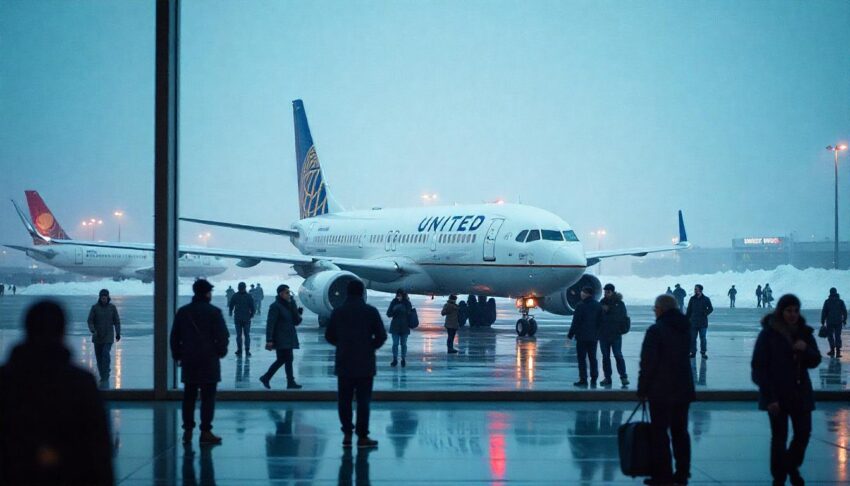
Image generated with Ai
The US is freezing Canada travel in 2025 with new route cuts from United, Delta, and American to Toronto, Ottawa, and Montreal, as falling demand and shifting traveler interest drive Americans toward Europe, the Caribbean, Mexico, and domestic hotspots instead. Warmer climates, cheaper long-haul packages, and strong marketing from destinations like Europe, Mexico, and the Caribbean are drawing Americans elsewhere, leaving Canadian cities with thinning arrivals and scaled-back airline service. As more US travelers opt for beach resorts, cultural tours abroad, or flexible domestic escapes over the traditional road trip north, carriers are responding by slashing frequencies and pulling capacity from once-busy transborder routes. These flight reductions come on the heels of five consecutive months of year-over-year declines in US visits to Canada, with both land and air entries falling — signaling a deeper disruption to what was once one of North America’s most reliable tourism corridors.
US Travel to Canada Continues to Slide in 2025 as Americans Choose Other Destinations
More Americans are skipping trips to Canada this year, showing a steady downturn in cross-border travel throughout 2025. Despite favorable exchange rates and active marketing campaigns from Canadian provinces, the number of U.S. visitors entering the country has steadily declined month after month, and the industry is beginning to feel the ripple effects.
From border towns to major cities like Toronto and Vancouver, fewer U.S. license plates are showing up, hotels are reporting slower bookings from American guests, and tourism boards are scrambling to adjust their strategies as travel patterns change.
Monthly Declines in US Travel to Canada – 2025 Overview
Tourism figures from Statistics Canada reveal a persistent downturn through the first five months of the year:
Advertisement
Advertisement
- January 2025: Travel by private U.S. vehicles dropped 5.3% compared to January 2024, signaling an early slowdown in cross-border movement.
- February 2025: Continued the trend, contributing to a five-month streak of declining U.S. tourist arrivals — though exact numbers were not detailed.
- March 2025: U.S. residents made 1.2 million trips, a 6.6% drop year-over-year. Both land crossings and flight arrivals have taken a hit as the drop in U.S. visitors continues.
- April 2025: U.S. visits by land fell 10.7% to 820,700 trips, while air travel dropped 5.5% to 289,300 entries.
- May 2025: Land crossings totaled approximately 1,044,700, still 8.4% lower than May 2024. Combined travel figures show a 1.2 percent decline in U.S. arrivals during the most recent monthly report.
This five-month decline paints a broader picture of falling U.S. interest in Canadian travel experiences, despite the lower cost of visiting due to exchange rate advantages.
Americans Get More for Their Dollar — But Still Stay Away
Ironically, one of Canada’s strongest selling points — the weak Canadian dollar — hasn’t been enough to pull in American visitors. As of mid-2025, $1 USD equals roughly $1.43 CAD, giving Americans more buying power than they’ve had in years.
Advertisement
Advertisement
Tourism boards are now doubling down on affordability in their messaging, with Destination Ontario posting signs near Detroit that highlight currency advantages.
“Spend less, do more. $1 USD = $1.43 CAD.”
Campaigns have also aired across New York and New England, aiming to reconnect emotionally and financially with U.S. travelers. Some ads use humor, while others take a practical approach by emphasizing cost savings and unique experiences north of the border.
Airlines Also Cut Back on US–Canada Routes
With fewer Americans traveling to Canada, U.S.-based airlines are responding by trimming capacity:
- United Airlines canceled its planned Los Angeles–Toronto route and trimmed service on its Washington Dulles–Ottawa and Washington Dulles–Montreal routes, reflecting weaker passenger numbers.
- Delta Air Lines and several other U.S. carriers cut back transborder routes by 4.4 percent between April and June 2025, scaling down service on corridors like Atlanta–Toronto, Minneapolis–Vancouver, and Detroit–Calgary.
- From Newark–Montreal to Chicago–Toronto, U.S. airlines have quietly reduced capacity on multiple routes, with seat availability falling by 1.6 to 3.5 percent in early 2025 as demand continued to soften.
These flight adjustments align with reduced booking activity and growing interest in alternate international destinations.
JetBlue has thrown summer vacations into turmoil by slashing flights as weak travel demand threatens its financial stability. In an internal memo, the airline admitted it’s unlikely to break even this year and is cutting less popular routes while downsizing its leadership team to reduce costs. The move comes as broader industry challenges, including trade tensions and border restrictions, continue to weigh on U.S. carriers, with United also trimming its summer schedule by four percent.
Where US Travelers Are Going Instead of Canada
- Europe: U.S. travel to Europe is on the rise, with February 2025 visits up over 1% year-on-year and March numbers soaring 17.2% above pre-pandemic levels. Cities like Paris, Rome, and Barcelona are drawing strong interest thanks to favorable fares and aggressive tourism campaigns.
- Mexico: Mexico welcomed more than 2.36 million American air travelers in January and February 2025 alone, marking a 4.3 percent rise in U.S. arrivals compared to the same period last year. Cancun, Los Cabos, and Mexico City remain top picks, driven by ease of access and attractive all-inclusive deals.
- Caribbean: Demand for Caribbean getaways has spiked, particularly during spring break. Americans are booking last-minute escapes to Jamaica, the Dominican Republic, and Aruba, drawn by bundled vacation packages and relaxed entry rules.
- Domestic Travel: Roughly 74 percent of Americans say they’ll take more than one trip within the U.S. in 2025, signaling strong confidence in domestic travel plans. Florida, California, Las Vegas, and New York continue to lead in popularity, fueled by convenience, warmer weather, and strong tourism infrastructure.
For many Americans, the idea of a road trip to Canada is losing ground to bucket-list vacations and tropical escapes that offer a stronger emotional draw and better perceived value.
Advertisement
Advertisement
Economic and Geopolitical Factors Add Weight
Behind the scenes, several less visible forces are also impacting American travel to Canada:
- Trade friction and policy differences have contributed to tension in the broader U.S.–Canada relationship, which may be subtly discouraging some discretionary travel.
- Border delays and outdated entry systems continue to frustrate tourists who prefer faster entry experiences — especially compared to passport-free Caribbean islands or streamlined EU arrival processes.
- Inflation and travel cost fatigue are pushing many Americans to be more selective about where they spend their vacation dollars.
Even with favorable currency exchange, Canadian destinations are struggling to compete with the convenience and marketing power of other global regions.
Canada Responds with Route Cuts of Its Own
While U.S. carriers are scaling back flights to major Canadian hubs, Canadian airlines are doing the same — turning what began as isolated cuts into a broader pullback across the border. Over 20 Canada–U.S. routes have been suspended or reduced this spring, with the impact felt from coast to coast.
- Air Canada has pulled routes from Montreal to Detroit, Montreal to Minneapolis, and Toronto to Indianapolis, citing waning demand and operational uncertainty.
- WestJet is exiting its Vancouver–Austin route and reducing service on Calgary–New York JFK.
- Flair Airlines has axed flights to Phoenix, Nashville, and Las Vegas.
- Porter Airlines, despite recent U.S. expansions, will end its Toronto–San Diego service by late June.
Behind these schedule shifts is more than just seasonal adjustment. Bookings to U.S. destinations are down 10% year-over-year, according to Air Canada, while aviation data firm Cirium reports a 15% decline in total seat capacity on Canada–U.S. routes since January 2025.
Travel analysts are pointing to a deeper cultural and political shift. Rising trade friction, border crackdowns, and nationalist rhetoric in U.S. politics have triggered what some call an “elbows up” movement in Canada — a grassroots push to spend and travel locally in protest. That sentiment is now showing up in both travel surveys and departure boards.
With fewer flight options and higher cross-border fares, many Canadians are now turning to alternative destinations. Mexico, Europe, and the Caribbean are drawing more bookings, but it’s domestic tourism that’s surging the most. Regions like British Columbia, the Maritimes, and Quebec’s Gaspé Peninsula are experiencing higher-than-expected summer demand, fueled by a mix of affordability, accessibility, and patriotism.
Advertisement
Advertisement
This new reality marks a clear shift in what used to be one of North America’s busiest and most dependable travel corridors. Both U.S. and Canadian carriers are adjusting to a marketplace where traveler sentiment — not just price or convenience — is reshaping the skyways between the two nations.
US is freezing Canada travel in 2025 as United, Delta, and American Airlines cut flights to Toronto, Ottawa, and Montreal due to falling demand, with American travelers shifting toward cheaper, warmer, and better-promoted destinations like Europe, Mexico, the Caribbean, and US hotspots.
What’s Next for Canada’s Tourism Industry?
As peak summer travel begins, Canadian tourism agencies are ramping up efforts to win back U.S. travelers and reverse the ongoing slump. Provincial tourism boards, including Destination Canada and Destination Ontario, are launching refreshed campaigns with messaging that emphasizes safety, affordability, natural beauty, and unique cultural experiences.
There’s also hope that as fuel prices stabilize and airlines shift capacity, the latter half of 2025 might see a modest rebound — especially as festivals, nature tourism, and fall foliage season come into play.
But for now, the first five months of 2025 tell a sobering story: U.S. tourism to Canada is down, travelers are exploring other destinations, and the competition for the American traveler’s attention is tougher than ever.
Advertisement
