
UK Leaves US, France, Germany, Netherlands Behind as Spain Records 13.92 Million British Visitors Amid 5.4% Tourism Growth

Published
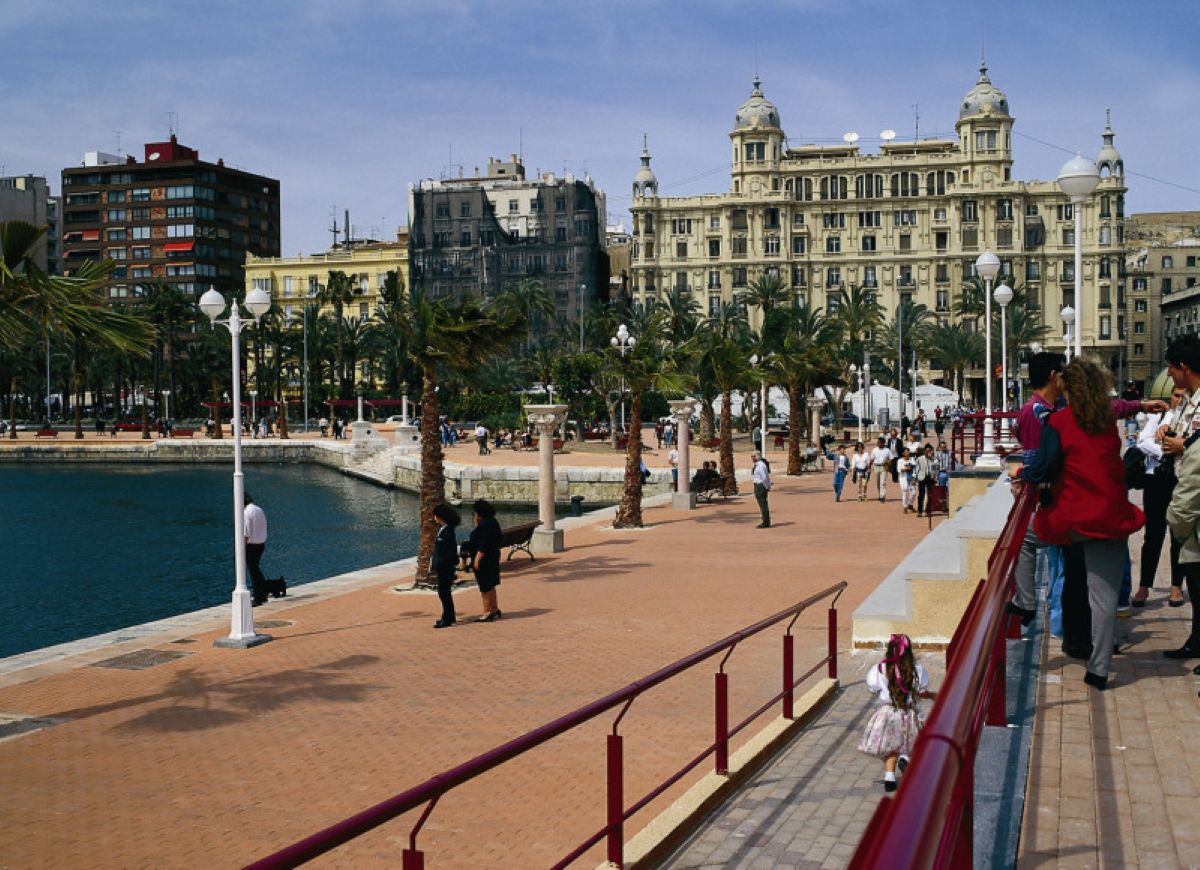
Image generated with Ai
Image Credit: News Room Spain
UK Leaves US, France, Germany, Netherlands Behind as Spain Records 13.92 Million British Visitors Amid 5.4% Tourism Growth because the United Kingdom remained Spain’s largest international source market during January–August 2026. Spain recorded 13.92 million British visitors, up 5.4% year on year, while total international tourism reached 70.36 million arrivals, also increasing 5.4%. France followed with 9.28 million visitors and Germany with 8.24 million, while the Netherlands recorded 2.57 million and the US 1.65 million. The figures show the UK’s dominant position by visitor volume, even as other markets continue contributing to Spain’s broader tourism growth. Pasted markdown
Spain’s International Visitor Numbers Continue to Rise
Spain recorded 12,256,087 international tourists in August 2026, representing a 9.2% year-on-year increase. Across the first eight months, the country reached more than 70.36 million international arrivals, up 5.4%.
The August increase was particularly significant because it came during Spain’s busiest traditional summer period. The latest figures show continued growth rather than a slowdown in international visitor numbers.
Advertisement
Advertisement
| Indicator | January–August 2026 |
|---|---|
| International tourists | 70.36 million |
| Year-on-year growth | +5.4% |
| August arrivals | 12.26 million |
| August year-on-year growth | +9.2% |
| UK arrivals | 13.92 million |
| France arrivals | 9.28 million |
| Germany arrivals | 8.24 million |
| US arrivals | 1.65 million |
The figures come from Spain’s National Statistics Institute, INE, through its FRONTUR international tourism survey. They exclude transit travellers and same-day visitors classified as excursionists.
The United Kingdom Remains Spain’s Largest Source Market
The UK maintained its position as Spain’s leading international source market during the first eight months of 2026.
Advertisement
Advertisement
INE recorded 13,923,053 British tourists, representing a 5.4% increase compared with January–August 2025. That equates to approximately 19.8% of all international tourists recorded by Spain during the period.
France ranked second with 9,277,638 tourists, while Germany followed with 8,235,916.
Advertisement
Advertisement
The difference is substantial. The UK supplied approximately 4.65 million more tourists than France and around 5.69 million more than Germany during the eight-month period.
August also reinforced Britain’s leading position. Spain received 2,411,209 British tourists during the month, up 9.3% year on year. France supplied 2,056,847, while Germany accounted for 1,356,178.
This makes the UK particularly important to Spain’s hotels, airlines, resorts and tourism businesses.
France and Germany Remain Powerful European Markets
France and Germany continue to provide enormous visitor volumes despite slower growth than several smaller markets.
Advertisement
Advertisement
France generated 9.28 million arrivals between January and August, up 1.4%. Germany contributed 8.24 million, increasing just 0.3%.
Together, the UK, France and Germany generated approximately 31.44 million international arrivals.
That represents roughly 44.7% of Spain’s total international tourists during the first eight months.
The concentration demonstrates how strongly Spain continues to depend on established European markets. These neighbouring or relatively accessible markets provide a substantial foundation for Spain’s tourism economy.
However, their growth rates differ considerably. Britain increased by 5.4%, France by 1.4%, and Germany by only 0.3%.
This suggests that Spain’s overall growth is not being generated equally across its principal markets.
Advertisement
Advertisement
The Netherlands and United States Add Important Visitor Demand
The Netherlands ranked among Spain’s major source markets, producing 2,573,252 tourists during January–August 2026. Arrivals increased 5.7% year on year.
The United States generated 1,645,005 tourists, up 10.9%.
Although the US volume remains significantly below Britain, France and Germany, its growth rate is much stronger.
The comparison is revealing:
| Market | Arrivals | Growth |
|---|---|---|
| UK | 13.92m | +5.4% |
| France | 9.28m | +1.4% |
| Germany | 8.24m | +0.3% |
| Netherlands | 2.57m | +5.7% |
| US | 1.65m | +10.9% |
Therefore, the United States cannot yet match Europe’s biggest markets in absolute visitor volume. However, its faster growth makes it an increasingly important component of Spain’s international tourism mix.
Portugal Records the Fastest Growth Among Major European Markets
Portugal stands out in the latest data because of its exceptionally strong increase.
Advertisement
Advertisement
Spain received 1,202,903 Portuguese tourists during January–August 2026, representing a 24.3% increase year on year.
Ireland also recorded significant growth, reaching 1,118,413 tourists, up 10.0%.
Belgium generated 893,562 arrivals, increasing 10.6%.
These markets remain smaller than the UK, France and Germany, but their growth demonstrates that Spain’s visitor expansion is becoming more geographically diverse.
The distinction between market size and market growth is important. Britain is Spain’s largest market by volume, while Portugal is growing much faster.
That difference matters to tourism businesses planning future marketing, air connectivity and accommodation capacity.
Advertisement
Advertisement
Catalonia, the Balearic Islands and Andalusia Absorb Major Visitor Volumes
Tourism growth is also concentrated geographically within Spain.
During January–August 2026, Catalonia received 14,323,450 international tourists, the highest figure among Spain’s autonomous communities. Arrivals increased 3.9% year on year.
The Balearic Islands received 11,760,942, up 2.0%, while Andalusia welcomed 11,084,168, an increase of 10.4%.
August showed a similar concentration. The Balearic Islands accounted for 21.2% of international tourists, followed by Catalonia with 19.4% and Andalusia with 16.8%.
| Destination | August 2026 arrivals | Year-on-year change |
|---|---|---|
| Balearic Islands | 2.60m | +2.6% |
| Catalonia | 2.38m | +9.1% |
| Andalusia | 2.07m | +21.3% |
The particularly strong 21.3% increase in Andalusia shows that tourism growth is not limited to Spain’s traditional Mediterranean hotspots.
Longer Stays and Market Accommodation Are Also Growing
The latest figures provide further insight into how international tourists are travelling.
Advertisement
Advertisement
In August, the largest group of visitors stayed four to seven nights, with more than 5.8 million tourists in this category. That segment increased 10.1% year on year.
Market accommodation also expanded. The number of tourists using market accommodation increased 7.8% in August.
Within that category, hotel accommodation increased 6.6%, while rented accommodation rose 13.7%.
These figures matter for the travel industry because they demonstrate that visitor growth is translating into additional demand for commercial accommodation.
At the same time, the growth in rented accommodation was considerably faster than hotel growth during the month.
Rising Visitor Volumes Create Pressure Alongside Major Economic Benefits
The latest figures establish strong tourism growth, but they do not by themselves prove that every destination is experiencing “overtourism”.
Advertisement
Advertisement
The more precise conclusion is that visitor pressure is increasing in Spain’s most popular destinations as international arrivals continue rising.
Barcelona, the Balearic Islands, Catalonia and Andalusia receive particularly large visitor volumes. This creates challenges around accommodation, mobility, public spaces and visitor management.
At the same time, tourism remains economically important. The correct policy question is therefore not simply whether Spain should attract more visitors, but how destinations can manage visitor flows while maintaining the benefits of international tourism.
Spain’s latest numbers provide the scale of the challenge: 70.36 million international tourists in eight months.
What the Figures Mean for Travellers Visiting Spain
For travellers, the statistics suggest that popular Spanish destinations are likely to remain busy, particularly during peak periods.
Visitors heading to the Balearic Islands, Catalonia, Andalusia and other high-demand areas should expect strong demand for accommodation and attractions.
Advertisement
Advertisement
Travellers can respond by considering less congested destinations, travelling outside peak periods, booking popular attractions in advance and using public transport where practical.
The data also reveal opportunities beyond the traditional hotspots. Spain’s enormous geographical range allows visitors to explore cities, inland regions, northern destinations and smaller communities rather than concentrating entirely on the most heavily visited locations.
This can provide travellers with a broader experience while helping distribute tourism activity.
Conclusion
UK Leaves US, France, Germany and Netherlands Behind as Spain Welcomes 70.36m Tourists because Britain remains Spain’s largest international source market, while the country’s overall visitor numbers continue to rise. Spain recorded 70.36 million international tourists between January and August 2026, up 5.4%, with August alone reaching 12.26 million, up 9.2%. The UK contributed 13.92 million arrivals, ahead of France and Germany, while the US recorded faster growth despite a smaller total. The figures show both the strength and concentration of Spain’s tourism market. They also highlight why visitor management is becoming increasingly important in destinations receiving millions of international travellers.
Comment from Anup Keshan, Founder and Editor-in-Chief of Travel And Tour World
“Spain’s latest tourism figures show the extraordinary scale and continued strength of its international visitor economy. The UK’s leading position is particularly significant for travel businesses because British travellers represent a substantial share of Spain’s international arrivals. At the same time, the strong growth from markets such as the United States, Portugal, Ireland and Belgium demonstrates that Spain’s tourism demand is becoming increasingly diverse. The challenge now is balancing this growth with effective destination management. Travellers can also play a role by exploring beyond the busiest destinations and travelling at different times of year. Spain’s latest statistics provide an important foundation for understanding this evolving tourism landscape.”
Image Credit: News Room Spain
Advertisement
