
Indonesia’s East Java and Ijen Offer Volcanic Highlands, Coffee and Hot Springs

Published
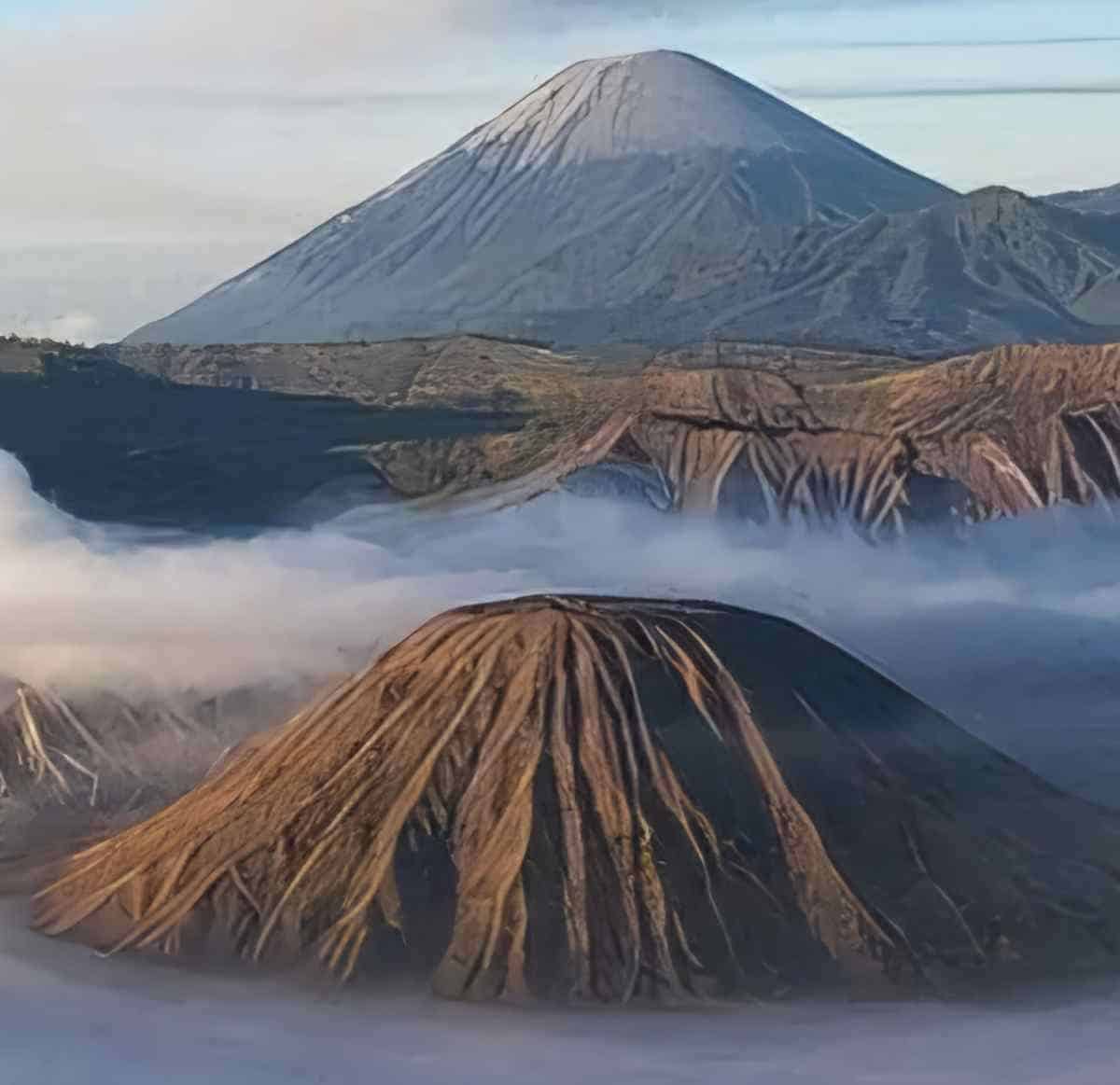
Indonesia’s East Java and Ijen are now rising as volcanic highland alternatives for tourists who do not want to visit the most crowded resort areas in South Bali, where crater trekking, plantation scenery, village visits, and geothermal baths constitute a tourist itinerary through the Ijen region. Tourist activities inland in East Java relate to Indonesia’s broader strategy of dispersing its tourism from concentrated areas. Banyuwangi, at the eastern end of Java, is marketed as an adventure tourism destination, and Ijen is one of the best volcanic attractions in the area.
Ijen Crater Returns To The Tourism Map
Advertisement
Advertisement
Ijen Crater reopened for tourism on 28 September 2026 after being closed from 4 September because of a forest fire. The reopening followed emergency response work and an assessment of the safety of the hiking route. Visitors can now enter for nature tourism, hiking, research and education, subject to operating procedures.
The reopening is relevant for October travellers. Official management guidance states that the hiking gate operates from 2am to noon, while scheduled conservation closures can affect access. Conditions can also lead to additional closures depending on weather, volcanic activity, field conditions and official management decisions.
Advertisement
Advertisement
For travellers planning an early-morning crater visit, preparation is essential. Official guidance requires visitors to carry basic hiking safety equipment, including a torch, mask and warm clothing. The Ijen route involves a substantial climb, and official tourism information describes a two-to-three-hour trek to the crater area.
Blue Fire And Volcanic Landscapes
Advertisement
Advertisement
Ijen’s blue fire is one of East Java’s distinctive geological attractions. Indonesia’s tourism authority says the phenomenon can generally be seen during the early hours, commonly between about 2am and 4am.
The crater is also known for its turquoise acidic lake and high volcanic walls. These features place Ijen within a broader nature-based itinerary that can include forest landscapes, coffee plantations and rural communities around the mountain.
Advertisement
Advertisement
Plantation Travel Around Ijen
The highlands are linked to agricultural tourism. Bondowoso’s Ijen area contains coffee plantations where visitors can see cultivation and processing, while Banyuwangi has several coffee-producing areas on the surrounding slopes.
Jampit coffee plantation in Bondowoso is an established agro-tourism destination. The plantation covers about 4,000 hectares at roughly 900 metres and offers views of Arabica coffee processing.
Bondowoso has also recently highlighted Java Ijen-Raung Arabica coffee, a geographically certified product associated with the volcanic environment and local farming traditions. A tourism itinerary can therefore combine mountain scenery with plantation visits and coffee experiences.
Advertisement
Advertisement
Hot Springs And Geothermal Bathing
For travellers looking to add a slower activity to a volcanic itinerary, Blawan Hot Spring provides a geothermal stop in the Ijen area of Bondowoso. The bathing site is supplied by water associated with Mount Ijen and is located in Kalianyar, Ijen.
The hot spring offers a slower activity after the pre-dawn trek. Travellers can use the surrounding highland area for combining volcanic sightseeing, rural landscapes and bathing within the same regional journey.
Village And Rural Experiences
Banyuwangi’s tourism offering also includes village-based experiences and ecotourism. Telemung, on the slopes of Ijen, is associated with local coffee production and several villages, providing another way to explore agricultural landscapes away from the main crater route.
For independent travellers, these locations create opportunities to structure a trip around smaller communities, plantation visits and nature attractions rather than relying solely on a resort stay. Accommodation in the East Java region includes hotels, homestays and locally operated stays, with Banyuwangi serving as a base for eastern Java attractions.
Advertisement
Advertisement
Getting To Ijen
Banyuwangi is the principal gateway on the eastern side of Java, with an airport and rail connections. Travellers can also reach the region from Surabaya by air, train or road. From Bali, the Java-Bali ferry connection through Gilimanuk provides another route into Banyuwangi.
A practical itinerary can begin in Banyuwangi, head to Ijen for an early-morning crater visit, then move to Bondowoso for plantation and hot-spring experiences. Travel times vary by route, weather, and road conditions, so check local transport arrangements before departure.
Conclusion
The Ijen Crater is found at an elevation of 2,368 metres above sea level. The hike to the Ijen Crater is typically estimated to be about 3.8-4 kilometres, taking up to two to three hours, according to Indonesia’s tourism ministry. The opening hours of the entrance gate are said to be 2 am – 12 pm. Indonesia has received 8.98 million foreign tourist arrivals between January and July 2026, up by 5.23 per cent compared to the previous year, based on the data provided by Indonesia’s Ministry of Tourism. In addition, there were 6,400 tourism villages in Indonesia by September 2026, providing support for the development of community-based tourism. Travellers who seek an escape during autumn could choose the route through East Java that includes volcano views, morning hiking, plantation tourism, village tourism and geothermal spa.
Advertisement
