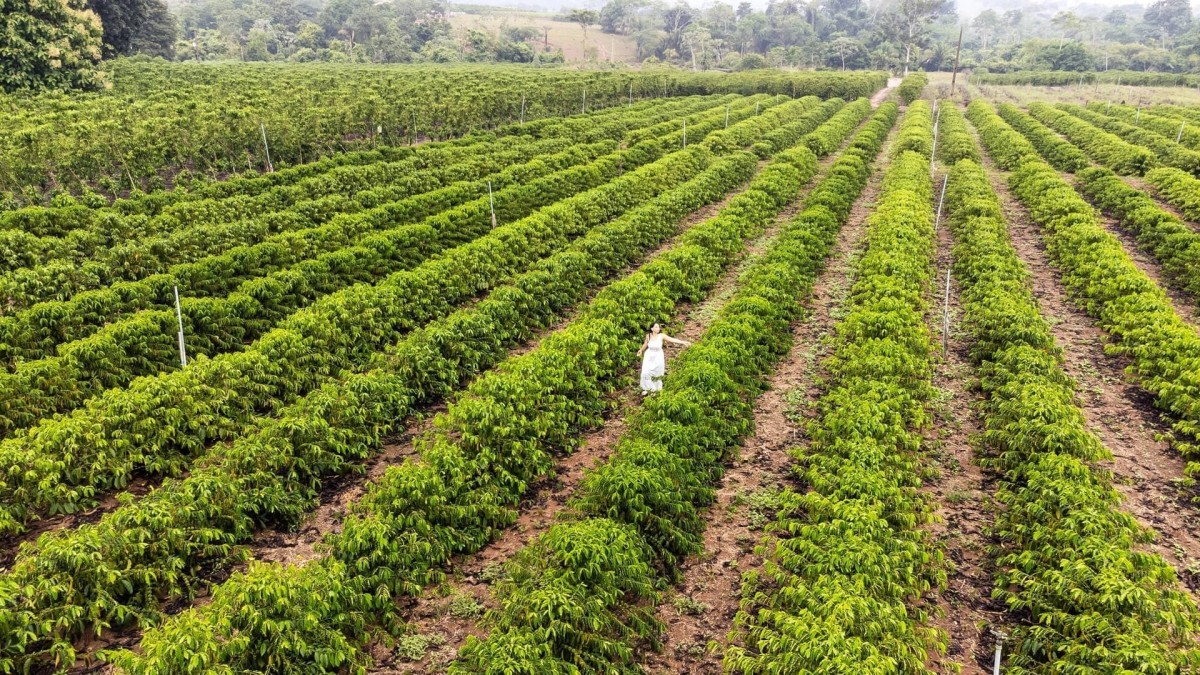
Brazil is inviting coffee enthusiasts to experience unique coffee routes that link together plantations, culture, and nature. The official tourist platform Visit Brasil promotes these routes as a way for travelers to learn about Brazilian coffee, from its cultivation and harvesting to the time the drink is served in a cup. The routes represent an alternative for international travelers eager to get an authentic experience of Brazilian life, offering not just beautiful landscapes, traditional farms, and regional cooking, but also allowing them to meet local producers.
Brazil’s coffee routes are transforming the way travellers experience the country by turning coffee production into an immersive tourism journey. Instead of only tasting the final beverage, visitors can walk through plantations, learn about farming methods, explore historic properties and understand how climate and geography influence coffee quality. These experiences are designed for travellers who want slower journeys, cultural connections and authentic local encounters. The routes combine countryside landscapes, family farms, coffee tasting sessions and regional traditions, creating a complete itinerary for coffee enthusiasts, adventure seekers and international tourists exploring Brazil.
The seven coffee routes highlighted by Visit Brasil showcase different producing regions, each offering its own identity, flavours and attractions. Travellers can discover mountain landscapes, historic coffee areas and modern specialty coffee farms while enjoying Brazilian hospitality. Visitors planning a coffee tourism trip should consider spending several days in each region to fully experience plantation visits, local food and nearby attractions. The routes are ideal for combining with nature tourism, cultural travel and rural accommodation.
Key benefits for travellers include:
Advertisement
Brazil has built a global reputation for coffee production, and these tourism routes allow travellers to understand the complete journey behind every cup. From planting and harvesting to processing and preparation, visitors can explore the knowledge and traditions passed through generations of coffee growers. The coffee experience is not limited to farms. Many destinations include restaurants, local markets, cultural attractions and natural landscapes that allow travellers to create complete holiday itineraries. These routes also support rural communities by encouraging visitors to spend directly with local producers and businesses. Among the highlighted destinations is the Coffee Route of Cerrado Mineiro in Minas Gerais, a region known for its coffee-growing landscape and organised production. Travellers can visit farms, learn about cultivation techniques and enjoy tastings surrounded by the region’s countryside scenery.
Another important destination is South Minas, where altitude, climate and traditional farming methods contribute to the production of specialty coffees. The region offers visitors a chance to explore coffee farms while experiencing mountain landscapes and local cuisine. The routes demonstrate how Brazilian coffee tourism is becoming a major attraction for travellers seeking meaningful experiences rather than traditional sightseeing alone.
The official Visit Brasil guide presents seven coffee routes spread across different Brazilian regions, offering diverse experiences for visitors. Each destination highlights a different relationship between coffee, nature and local culture.
Located in one of Brazil’s famous coffee-producing regions, this route introduces visitors to modern coffee production and specialty coffee experiences. Travellers can explore farms, observe cultivation practices and taste coffees produced in the Cerrado landscape. The region is suitable for visitors looking for countryside escapes combined with educational experiences. Travellers can stay in nearby towns and plan farm visits, coffee tastings and nature activities.
Advertisement
Advertisement
South Minas Gerais offers a combination of mountains, traditional farms and premium coffee experiences. The destination allows visitors to discover how altitude, soil and climate influence coffee characteristics. Tourists can enjoy plantation walks, coffee preparation demonstrations and regional food experiences. The route is especially attractive for travellers interested in gastronomy and rural tourism.
The Mantiqueira mountains provide a spectacular setting for coffee tourism. The region combines scenic views with specialty coffee production, creating opportunities for visitors to experience farms surrounded by nature. Travellers can combine coffee tours with hiking, mountain stays and local culinary discoveries.
Paraná’s coffee heritage offers visitors a different perspective on Brazilian coffee history. The route connects plantations, cultural attractions and communities linked to coffee production. The experience allows travellers to explore historic connections between agriculture, regional development and Brazilian culture.
São Paulo’s coffee destinations combine history and modern tourism experiences. Visitors can explore farms, museums and coffee attractions while learning about the role coffee played in shaping the region. The route is suitable for travellers who want to combine cultural tourism with food and beverage experiences.
Espírito Santo provides visitors with opportunities to discover coffee traditions linked to the state’s agricultural identity. The route showcases local production methods and regional flavours.
Travellers can experience authentic rural environments while connecting with coffee-growing communities.
Rio de Janeiro’s coffee landscapes offer a combination of history, heritage and countryside experiences. The route allows visitors to discover historic coffee areas and traditional properties. The journey provides a unique alternative for tourists wanting to explore beyond Rio’s famous urban attractions.
Travellers planning a Brazil coffee tourism holiday should consider the harvest seasons, regional weather conditions and farm availability before booking. Many coffee farms operate guided tours, tasting sessions and educational activities, but schedules can vary depending on the season. The best experience often comes from spending two or three days in a coffee region. This allows visitors to explore farms without rushing while enjoying local restaurants, landscapes and cultural attractions.
Recommended travel tips include:
Travellers can reach many coffee destinations through major Brazilian airports and continue their journeys by road. Rental cars, private transfers and regional tours are popular options for exploring countryside routes.
Brazil’s seven coffee routes are paving the way for coffee tourism to emerge as an important means of discovering the country. These tours take visitors throughout Brazil connecting them with the farmers, nature, history, and coffee consumption habits. Visitors can learn through the experiences that the coffee plant is tied to the cultural life of Brazil. The tours also provide an opportunity for tourists to see how much history lies in every cup of coffee. Brazil’s tours are all about unforgettable experiences including relaxation and education. As coffee tourism becomes increasingly appealing, the route from field to cup is becoming the most favorite travel route in Brazil.
Advertisement
Tags: Brazil coffee tourism, brazil travel, Brazilian countryside, coffee experiences, coffee plantation tours
Advertisement
Advertisement












Monday, September 7, 2026

Monday, September 7, 2026

Monday, September 7, 2026

Monday, September 7, 2026

Monday, September 7, 2026

Monday, September 7, 2026

Monday, September 7, 2026