
Canada Steps Up With Finland And More Arctic Countries In Iceland Tourism As Cross Border Demand Lifts Growth Beyond 11%

Published
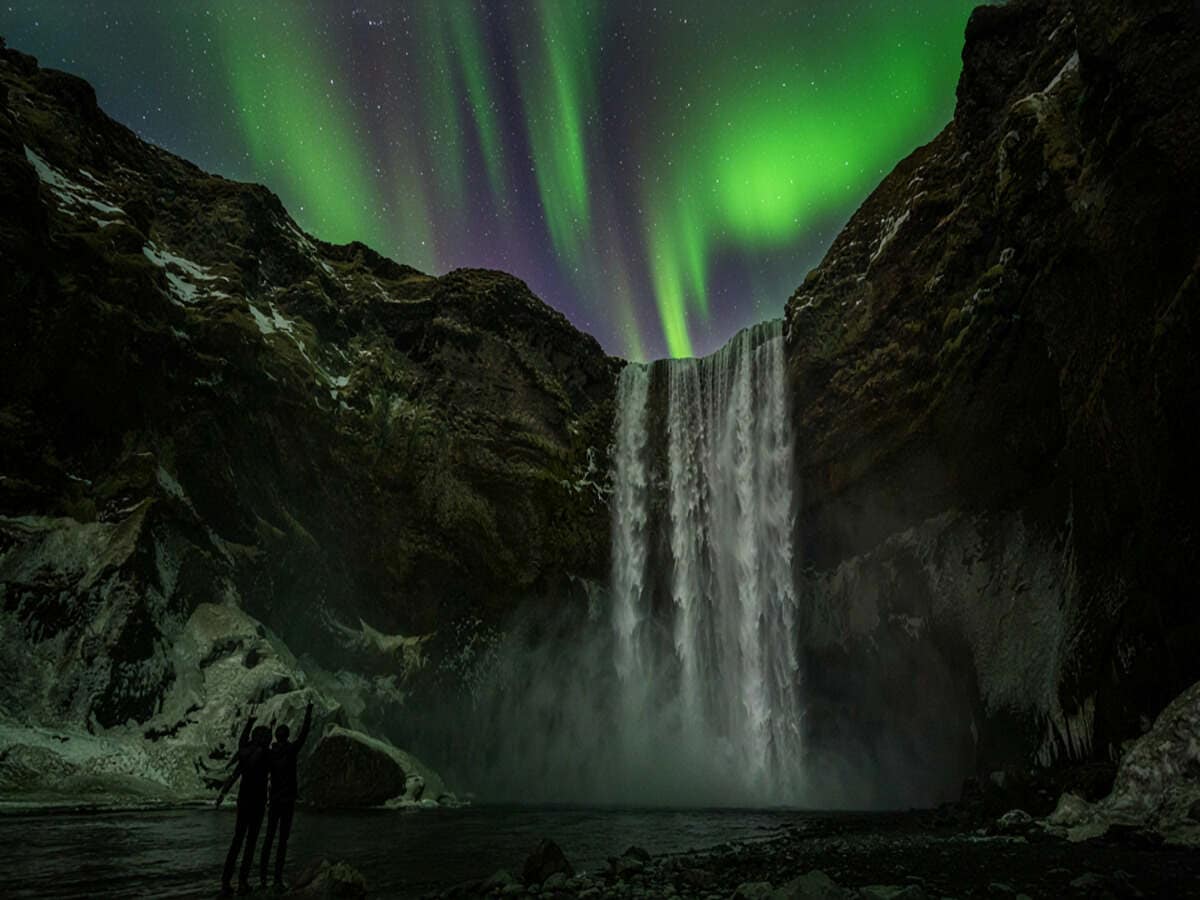
Image generated with Ai
Canada, US, and Nordic partners fuel Iceland’s 2026 boost to exceed 11% border increases. Iceland is positioning itself as one of the fastest growing travel destinations in the Arctic region. There is a convergence of factors such as transatlantic route development, major infrastructural investments, and booming interest from North America that is shaping the future of tourism in Iceland. While international interest is apparent in global statistics like UN Tourism numbers from January to June, revealing growth above 11%, Iceland’s own metrics reflect a balance of success through unique markets, overnight stays, and geothermal developments.
Leading this expansion are fellow Arctic and northern countries. According to UN Tourism data, Iceland recorded 11.1% growth in tourist arrivals from January to June 2026, highlighting the strength of international demand during the first half of the year. Canada has established itself as an extraordinary growth driver, while the United States remains the economic bedrock of the industry. Concurrently, Denmark, Finland, Sweden and Norway help build a resilient Nordic cross-border tourism network that supports baseline demand, cushions seasonal fluctuations and opens new travel corridors into Iceland.
Arctic Nations Driving Iceland’s 2026 Tourism Growth
To understand how cross-border demand is transforming Iceland’s visitor economy, it is essential to examine the direct contributions of each Arctic state.
| Arctic Country | Current Role in Iceland’s Tourism | Key Performance Indicator & Impact |
| Canada | Rapidly Growing Source Market | +54.5% August visitor surge via Keflavík departures (~23,000 visitors) |
| United States | Largest Volume & Expenditure Driver | 33.9% market share in August; 107,000 departures (+27.2% YoY) |
| Denmark | Primary Scandinavian Air Gateway | Copenhagen hub routes; 51,351 departures in 12-month period |
| Finland | Supporting Nordic & Alignment Partner | High affinity for winter travel, geothermal wellness, and eco-tourism |
| Sweden | Stable Regional Demand Market | Consistent short-haul visitor base focused on active outdoor pursuits |
| Norway | Geographic & Cultural Affinity Partner | Strong cross-border travel ties and shared North Atlantic heritage |
| Russia | Limited Contributor | Minimal presence due to current geopolitical and air transport restrictions |
Country-by-Country Breakdown: How Northern Partners Boost Iceland Tourism
Canada: The Rapidly Growing Surge Market
Canada has emerged as a major growth story for Icelandic tourism. In August 2026, roughly 23,000 Canadian visitors departed through Keflavík International Airport—a 54.5% year-on-year increase compared to August 2025. Canadian travelers made up approximately 7.3% of all foreign visitor departures that month.
Advertisement
Advertisement
This momentum is supported by expanded direct routes, including non-stop connections from cities like Montréal via Air Transat. Canadian tourists demonstrate strong interest in Iceland’s glaciers, geothermal sites, and northern lights, making them ideal contributors to year-round market diversification.
United States: The Engine of Iceland’s Visitor Economy
The United States remains Iceland’s single largest international tourist market.In August 2026 alone, about 107,000 American travelers departed via Keflavík Airport, accounting for 33.9% of all foreign visitor departures—a 27.2% surge compared to the prior year.
Advertisement
Advertisement
The economic impact of US travelers extends far beyond airport gates. During August, American visitors generated approximately 226,000 hotel nights across the country, up 10.2% year-on-year. Over a broader 12-month period, US departures routinely top 650,000 visitors (~28.9% total market share). Strong direct air connections to major American metropolitan hubs ensure that US demand remains the primary foundation for local hotels, tour operators, and transportation services.
Denmark: Strategic Aviation Gateway and Nordic Hub
Denmark plays a two-fold role in Iceland’s cross-border ecosystem. First, it serves as a reliable direct source market, recording over 51,000 annual visitor departures. Second, and more importantly, Copenhagen serves as one of Keflavík Airport’s busiest direct international air hubs alongside New York and London.
The Copenhagen air bridge connects Iceland to broader European and international flight networks. By acting as a strategic transit funnel, Denmark helps maintain steady passenger throughput year-round.
Finland: High Affinity for Iceland’s Eco-Wellness Model
While Finland contributes smaller total visitor volumes than North American markets, its value lies in strong consumer alignment. Finnish travelers are familiar with cold-weather adventure, wilderness travel, and geothermal wellness.
Finland reinforces Iceland’s broader Nordic tourism ecosystem through multi-destination Arctic trips. Finnish visitors frequently utilize regional Scandinavian aviation corridors, supporting Iceland’s focus on sustainable, long-stay tourism products.
Sweden: Consistent Demand for Short-Break and Shoulder Travel
Sweden offers a dependable, mature customer base. Swedish tourists prioritize environmental sustainability, outdoor recreation, cultural history, and wellness experiences—aligning directly with Iceland’s premium travel offerings.
Advertisement
Advertisement
Due to regional proximity and frequent flight connections, Swedish visitors frequently choose Iceland for weekend getaways, winter aurora excursions, and shoulder-season breaks, helping sustain hotel occupancies outside peak summer months.
Norway: Shared Coastal and Northern Heritage
Norway shares a deep geographical and cultural connection with Iceland. Both nations market rugged landscapes, fjord coastlines, and remote adventure travel.
Norwegian tourists travel to Iceland via strong Scandinavian flight links. Their familiarity with northern environments makes them natural consumers of Iceland’s regional tours, self-drive road trips, and cultural attractions.
Russia: Minimal Current Market Presence
Russia remains one of the eight official Arctic nations, but its contribution to Iceland’s tourism sector in 2026 is minimal. Restricted flight paths and international geopolitical conditions have curtailed direct travel links. As a result, Russia plays a limited role compared to North American and Scandinavian markets.
Expanding Cross-Border Air Connectivity
Iceland’s geographical position between North America and Europe makes air capacity the primary engine of visitor growth. During the peak summer period, Keflavík International Airport logged robust flight activity:
- 28 airlinesoperated direct flights to 74+ destinations.
- New strategic routes included Alaska Airlines service from Seattle and Air Transat service from Montréal.
- Icelandair expanded operations with new linkages to destinations like Faro, Venice, and Málaga.
- High-density hubs like Copenhagen, New York, and London continued to handle the heaviest transit flows.
This multi-airline carrier network enables Iceland to smoothly capture cross-border transatlantic traffic and funnel visitors into its domestic travel economy.
Advertisement
Advertisement
Strategic Investments in Infrastructure and Sustainable Dispersal
To accommodate expanding visitor numbers without degrading natural ecosystems, Iceland is making targeted investments in site protection, regional capacity, and high-value experiences.
Infrastructure Development
Through the Tourist Site Protection Fund, Iceland allocated approximately ISK 489.6 million across 18 specialized projects. These funds are used to upgrade hiking trails, install safety barriers, build modern sanitary facilities, and protect fragile volcanic and geothermal terrain from environmental erosion.
Regional Dispersal Patterns
Tourism authorities have actively encouraged travel beyond the Capital Region, and performance metrics show clear regional shifts:
- South Iceland: Experienced a 10.9% rise in hotel overnight stays in early summer, paired with a 13.3% expansion in regional room supply.
- North Iceland: Recorded consistent hotel night growth of 4.1% to 5.8%.
- Capital Region: Showed slight consolidation (-6.5%), reflecting a broader movement of visitors directly into rural and coastal regions.
High-Value Geothermal Tourism
Iceland is converting its abundant geothermal energy into premium, revenue-generating visitor experiences. Key developments include:
- Mývatn Earth Lagoon (North Iceland): Reopened following major renovation and facility expansions, driving tourism into the north.
- Laugarvatn Fontana (South Iceland): Upgraded to expand capacity for geothermal bathing, steam baths, and local culinary experiences.
These sites drive higher average spend per visitor while offering weather-independent attractions year-round.
The Green Circle Route
As an alternative to the heavily trafficked Golden Circle, Iceland has championed The Green Circle—linking Laugarvatn, Flúðir, and Hveragerði. The route emphasizes renewable energy, local farm-to-table food, geothermal greenhouses, and slow travel, spreading economic benefits directly to small-scale local businesses.
Advertisement
Advertisement
Moving From Visitor Volume to Value
Iceland’s overall 2026 tourism model focuses on value over sheer numbers. Across the country, hotel inventory expanded to 186 operational properties housing roughly 12,817 rooms. Combined with growing spend per night, expanded direct flight routes, and enhanced regional infrastructure, Iceland has built a resilient visitor economy anchored by Canada, the United States, and its Nordic Arctic neighbors.
Canada, US and Nordic partners propel the growth in cross-border tourism in Iceland beyond 11% in 2026.
The 2026 tourism situation in Iceland reveals a conscious shift from focusing purely on numbers to value-based tourism development. Due to the rapid increase in visitors from Canada, strong market leadership from the United States, and the deep connection established within the Nordic partners, the cross-border market is transforming the nation’s tourism industry. With the combination of transatlantic air routes, infrastructure investment, hotel developments within the region, and exclusive geothermal tourism through the Green Circle experience, Iceland is developing a sustainable destination model.
Advertisement
