
Japan is Set to Offer More Osaka Travel Choice as Kasoku Plans the New KOUSA Apartment Hotel in Namba

Published
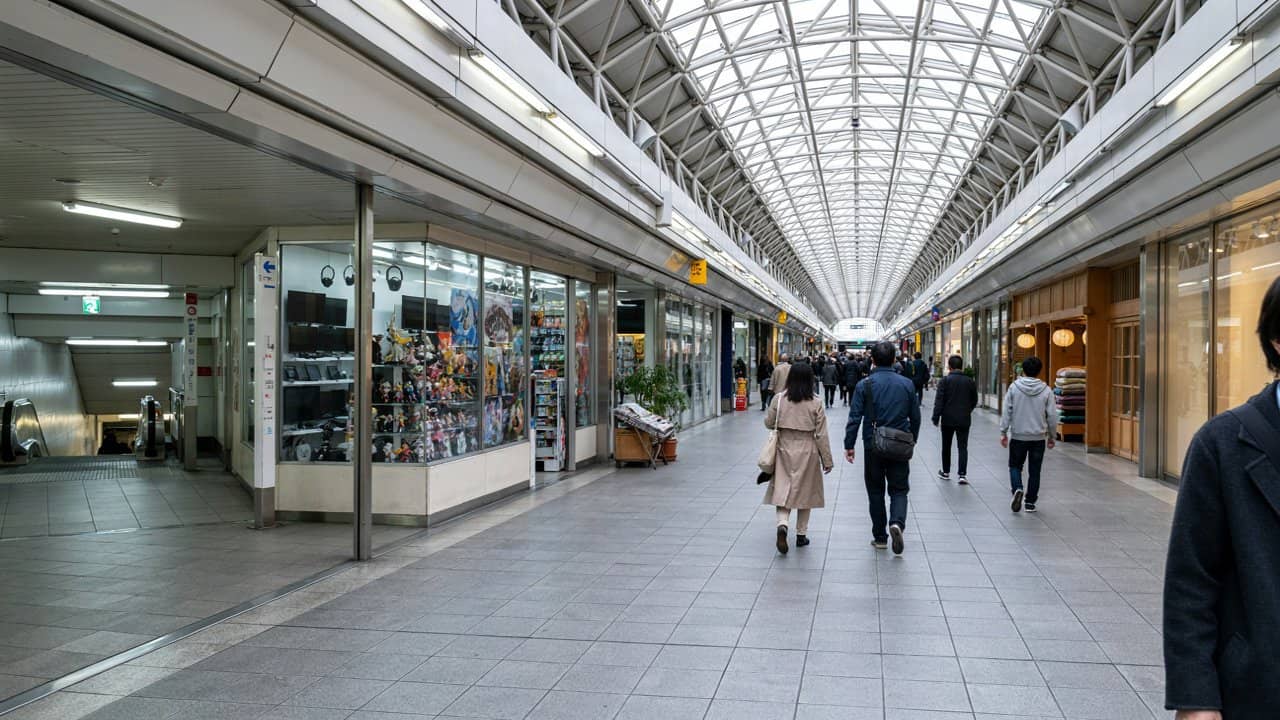
Image generated with Ai
An apartment hotel announcement published on 1 September 2026 outlined accommodation plans for Osaka’s Namba–Nipponbashi area in Japan. The Planned KOUSA Apartment Hotel was scheduled to open on 1 October, targeting families, groups and longer stays. The release verifies an announced timetable, but it does not independently establish that opening occurred. For readers researching Osaka Travel, the immediate priority is confirming availability before booking. The development concerns accommodation and neighbourhood exploration; it introduces no visa or passport changes.
Accommodation Plans Lead the Osaka Travel Evidence
The central story concerns an announced accommodation project. National tourism figures, transport connections and tax rules explain its setting, but they do not prove its commercial performance. The percentages below represent an editorial assessment of this report’s emphasis, not official statistics or measured tourism effects.
Advertisement
Advertisement
| News component | Share of story | Officially verified finding | Relevance to travellers | Official source |
|---|---|---|---|---|
| Accommodation plans | 50% | Release specifies 80 rooms and capacity for 476 guests | Describes announced accommodation scale | Original project announcement |
| Destination and transport | 20% | Namba has established underground and railway connections | Helps assess location suitability | Official regional tourism guidance |
| Tourism demand | 15% | Japan recorded 3,098,900 arrivals in August 2026 | Provides national market context | Official national arrival statistics |
| Accommodation costs | 10% | Published nightly tax bands range from exemption to ¥500 | Supports budgeting | Prefectural government |
| Entry requirements | 5% | Entry conditions remain nationality and passport dependent | Requires separate document checks | Foreign affairs ministry |
The findings establish a project announcement and its wider travel context. They do not establish completed opening, occupied rooms or additional visitor spending.
Current Status Requires Operational Confirmation
The Planned KOUSA Apartment Hotel announcement gives the address as 3-7-2 Nipponbashi, Naniwa Ward, Osaka. It specifies 5,440.72 square metres of floor space and room arrangements intended for four to eight guests. These are published project specifications, rather than independently inspected facilities.
Advertisement
Advertisement
For Osaka Travel planning, the distinction remains practical. An announced capacity does not establish available rooms for particular dates. Travellers should confirm current operations, sleeping arrangements and booking conditions directly before paying.
Why Group Accommodation Matters
The proposal’s relevance centres on travellers seeking rooms suitable for several people. Its stated design addresses families, groups and extended visits. That explains the intended audience without proving that guests have used the accommodation or experienced its proposed services.
Advertisement
Advertisement
The Osaka Travel significance remains local and accommodation-focused. No verified evidence reviewed connects the project with new flights, railway capacity or border changes. Nor does it establish lower prices or improved room availability across the city.
The Announced Timetable
The September announcement set reservations to begin on 7 September 2026. It also scheduled the property’s website for mid-September and identified 1 October 2026 as the planned opening date.
Advertisement
Advertisement
As of 5 October 2026, the release confirms those announced milestones. It does not independently verify their completion. Reporting should preserve that distinction rather than convert an earlier schedule into evidence of operation.
Understanding the Context Behind the Development
The announcement presents neighbourhood engagement as part of its accommodation concept. However, the available evidence does not establish a definitive, independently verified cause for the investment decision.
Official destination information supplies useful background. It explains the area’s attractions and connections, without demonstrating that any single feature caused the project.
An Established Visitor District
Namba forms part of Minami, Osaka’s southern commercial and entertainment district. Official guidance identifies shopping, restaurants and cultural venues alongside several railway connections. These existing features help visitors assess the neighbourhood.
Advertisement
Advertisement
Nearby Culture and Shopping
Nipponbashi adds electronics shopping and popular culture to the wider area. Official guidance also identifies market and theatre attractions nearby. This supports destination context, while leaving the project’s actual contribution to local businesses unmeasured.
Osaka Travel Statistics Need Careful Interpretation
Japan’s official August 2026 estimate recorded 3,098,900 international visitor arrivals, down 9.6% against August 2025. Nevertheless, 14 markets recorded their highest August totals. Italy and Spain recorded their highest totals for any month. Demand therefore varied between markets.
These are national entry figures, not Osaka hotel statistics. They count repeat entries and include some arrivals beyond leisure tourism. They cannot establish occupancy, bookings or room shortages around Namba. A property’s guest capacity and Japan’s arrival total measure different things.
Published Statements Describe Intentions
The Planned KOUSA Apartment Hotel release describes shared spaces, neighbourhood information and design intended to connect guests with local culture. That is an announced objective, not a measured visitor outcome.
Separately, prefectural guidance explains that accommodation-tax revenue supports tourism promotion and improvements to the visitor environment. This states the tax’s public purpose; it does not establish financial support for this project.
Traveller and Tourism Effects Remain Distinct
Families and groups can assess the announced room arrangements against their needs. However, no verified operating results reviewed show how guests have used the property or whether stays have become longer.
Advertisement
Advertisement
For Osaka Travel businesses, economic effects remain unresolved. No verified figures establish additional employment, restaurant spending or neighbourhood sales linked to the project. Those claims would require evidence beyond specifications and design intentions.
Wider Industry Analysis Depends on Delivery
The announcement illustrates an accommodation model aimed at multiple guests and longer visits. As analysis, its practical value depends on suitable room layouts, transparent charges and reliable services.
It does not establish a citywide industry shift. One proposed property cannot demonstrate changing prices, investment returns or visitor preferences across Osaka. Wider conclusions require comparable evidence from additional accommodation businesses and reporting periods.
Japan’s National Market Provides Background
Official August reporting identified reduced flight services and typhoon-related cancellations among factors affecting some visitor markets. This helps explain why substantial travel volumes can coexist with an annual decline.
The figures provide national background rather than a direct explanation for the hotel proposal. Comparisons with overseas destinations would need matching periods and definitions. No such comparison is necessary to establish this project’s announced local scope.
Practical Costs and Entry Requirements
Osaka’s published accommodation tax applies per person, per night. Charges are ¥200 for accommodation fees from ¥5,000 to below ¥15,000, ¥400 from ¥15,000 to below ¥20,000, and ¥500 from ¥20,000. Below ¥5,000, no accommodation tax applies.
Advertisement
Advertisement
Compulsory cleaning and relevant service charges enter the taxable accommodation amount. Meals do not. Separately, visitors must check official entry conditions for their nationality and passport. An extended hotel booking does not extend permission to remain in Japan.
What Travellers Should Check Before Booking
Travellers considering this accommodation need current property information. The announcement alone does not justify changing existing plans.
- Confirm operations and availability for the intended dates.
- Check beds, occupancy limits and required facilities.
- Review cancellation terms and compulsory charges.
- Establish the correct station and arrival route.
- Verify applicable passport and entry requirements.
These checks address booking suitability without assuming a disruption or recommending cancellation.
What Happens Next Remains Unconfirmed
The Planned KOUSA Apartment Hotel announcement describes future development shaped by each location’s character. It does not provide confirmed opening dates for additional properties.
The immediate reporting gap concerns completed operations at the first property. No revised deadline or associated transport launch was verified. Future coverage should distinguish operational confirmation from promotional intentions and measure economic effects only when supporting data becomes available.
Confirmed Plans Still Need Confirmed Outcomes
The apartment hotel announcement gives travellers a clearer picture of proposed accommodation around Namba and Nipponbashi. Its published specifications and timetable establish plans, while actual opening and guest services still require operational confirmation. Osaka Travel decisions should combine that distinction with verified transport information, transparent accommodation costs and applicable entry requirements. National visitor figures provide background, but they do not prove demand for one property or additional neighbourhood spending. The next meaningful update is reliable evidence of operation and availability. Until then, travellers should confirm their booking details, and reporting should keep announced intentions separate from demonstrated outcomes and results.
Advertisement
