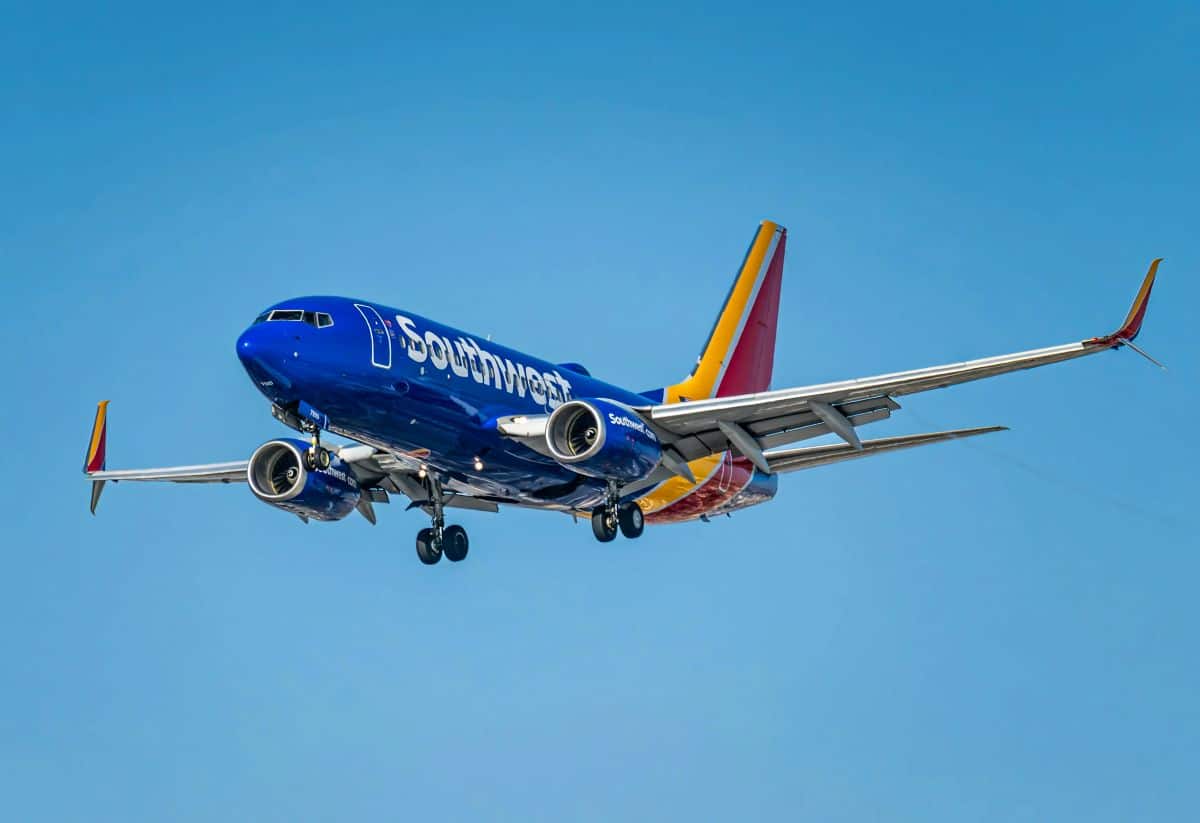
Southwest Airlines Flight SWA4592, a Boeing 737-800 from Chicago Midway to Atlanta, diverted to Nashville International Airport on July 16, 2026.
Southwest Airlines Flight SWA4592, a Boeing 737-800, from Chicago Midway to Hartsfield-Jackson Atlanta, diverted to Nashville International Airport, Tennessee, United States on July 16th at 5:35 PM STD after an unexpected operational situation required the aircraft to change its planned route. The flight departed Chicago Midway International Airport before diverting away from its scheduled Atlanta destination and landing at Nashville International Airport instead. The reason behind the diversion was linked to standard aviation safety procedures, allowing the flight crew to make a careful operational decision while prioritising passengers and aircraft safety. The Boeing 737-800 aircraft, operating Flight SWA4592, was safely handled by Southwest Airlines teams following the diversion. This latest update examines the Chicago to Atlanta flight disruption, aircraft details, passenger impact and the importance of aviation safety measures.
Southwest Airlines Flight SWA4592 experienced a diversion on Thursday, July 16, 2026, while operating a scheduled service from Chicago Midway International Airport (MDW) to Hartsfield-Jackson Atlanta International Airport (ATL). The aircraft involved was a Boeing 737-800 registered as N8689C.
According to available flight tracking information, the aircraft departed Chicago Midway at approximately 2:40 PM and was scheduled to arrive in Atlanta at around 5:35 PM. However, the flight later changed its planned route and diverted to Nashville International Airport (BNA), Tennessee, instead of continuing to its intended destination.
Advertisement
The diversion was completed safely, allowing Southwest Airlines teams to assess the situation and provide passenger support.
Southwest Airlines Flight SWA4592 diverted from its planned Chicago to Atlanta route after an unexpected operational situation required the aircraft to change course. The exact reason behind the diversion was not immediately disclosed.
Flight diversions can occur for several reasons, including technical concerns, weather conditions, medical situations involving passengers, air traffic restrictions or precautionary decisions made by flight crews.
In aviation, diversion decisions are made after careful evaluation of safety, aircraft capability and available airport facilities. Nashville International Airport provided a suitable alternative location where the aircraft could land and airline teams could manage the disruption.
Advertisement
Advertisement
Returning to a major airport with operational resources allows airlines to support passengers more effectively. Flight crews follow strict procedures to ensure safety remains the highest priority during unexpected situations.
The aircraft involved in the diversion was a Boeing 737-800 operated by Southwest Airlines. The aircraft carried registration number N8689C and was assigned to operate the domestic route between Chicago Midway and Atlanta.
The Boeing 737-800 is one of the most widely used commercial aircraft models worldwide. Airlines operate the aircraft extensively because of its reliability, passenger capacity and suitability for short and medium-distance routes.
Southwest Airlines operates a large Boeing 737 fleet, making the aircraft type central to its domestic network across the United States. The airline uses these aircraft to connect major cities and regional destinations.
Following a diversion, airline maintenance and operational teams typically review the aircraft before it returns to normal service. These checks ensure that any operational concerns are properly addressed.
Passengers travelling on Southwest Airlines Flight SWA4592 experienced disruption after the aircraft did not complete its scheduled journey to Atlanta. Instead, travellers arrived at Nashville International Airport following the diversion.
The Chicago–Atlanta route is an important domestic connection used by business travellers, leisure passengers and those making onward connections. Any disruption can affect travel schedules, meetings and connecting flights.
After a diversion, airlines generally provide passengers with updated information about their next steps. This may include arranging alternative transportation, rescheduling the flight or providing assistance at the diversion airport.
Although diversions can create inconvenience, they are an established safety measure within commercial aviation. Airlines prioritise safe outcomes over maintaining the original flight schedule when unexpected circumstances occur.
Passengers affected by such disruptions are advised to follow airline announcements and remain in contact with customer service teams for the latest updates.

Nashville International Airport served as the alternative landing location for Southwest Airlines Flight SWA4592 after the aircraft diverted from its Chicago–Atlanta route.
Nashville is a major airport in the southeastern United States and provides extensive passenger services, airline support facilities and emergency response capabilities. These resources make it suitable for handling diverted aircraft.
Airlines consider several factors when selecting diversion airports, including location, weather conditions, runway availability, passenger facilities and operational support.
For Southwest Airlines, Nashville also represents an important airport within its broader network, allowing the carrier to access ground support and manage passenger needs.
The diversion demonstrates how airline operations rely on a connected network of airports across the United States. This flexibility allows carriers to respond quickly when flights cannot continue as originally planned.

The Southwest Airlines Flight SWA4592 diversion highlights the importance of safety procedures and operational flexibility in modern air travel. While passengers expect flights to follow planned schedules, unexpected situations can require immediate adjustments.
Flight crews, airline operations teams and airport authorities work together to evaluate conditions and determine the safest option available.
For travellers, diversions serve as a reminder that aviation decisions are based on protecting passengers and aircraft. Returning to or landing at an alternative airport is often the safest solution when continuing a journey is not considered appropriate.
Southwest Airlines’ ability to manage the diversion through Nashville demonstrates the importance of strong operational networks and experienced aviation teams.
Southwest Airlines Flight SWA4592, a Boeing 737-800 from Chicago Midway to Hartsfield-Jackson Atlanta, diverted to Nashville International Airport, Tennessee, United States on July 16, 2026, after an operational situation required a change to its planned route. The aircraft, registered as N8689C, landed safely at Nashville, allowing Southwest Airlines teams to support passengers and evaluate the circumstances. Although the exact cause of the diversion was not immediately confirmed, aviation procedures ensured that safety remained the priority. The incident highlights how airlines use trained crews, airport infrastructure and operational planning to manage unexpected disruptions while maintaining passenger confidence.
Advertisement
Tags: Chicago Illinois USA, chicago midway international airport, Hartsfield-Jackson Atlanta International Airport, Nashville International Airport, Nashville Tennessee USA
Advertisement
Advertisement













Friday, September 4, 2026

Friday, September 4, 2026

Friday, September 4, 2026

Friday, September 4, 2026

Thursday, September 3, 2026

Wednesday, September 2, 2026

Friday, September 4, 2026