

Italy’s BIT 2027 Targets Year-Round Tourism Growth as Thermal Spas, Winter Wellness and Harvest Experiences Reshape Travel Demand

Published
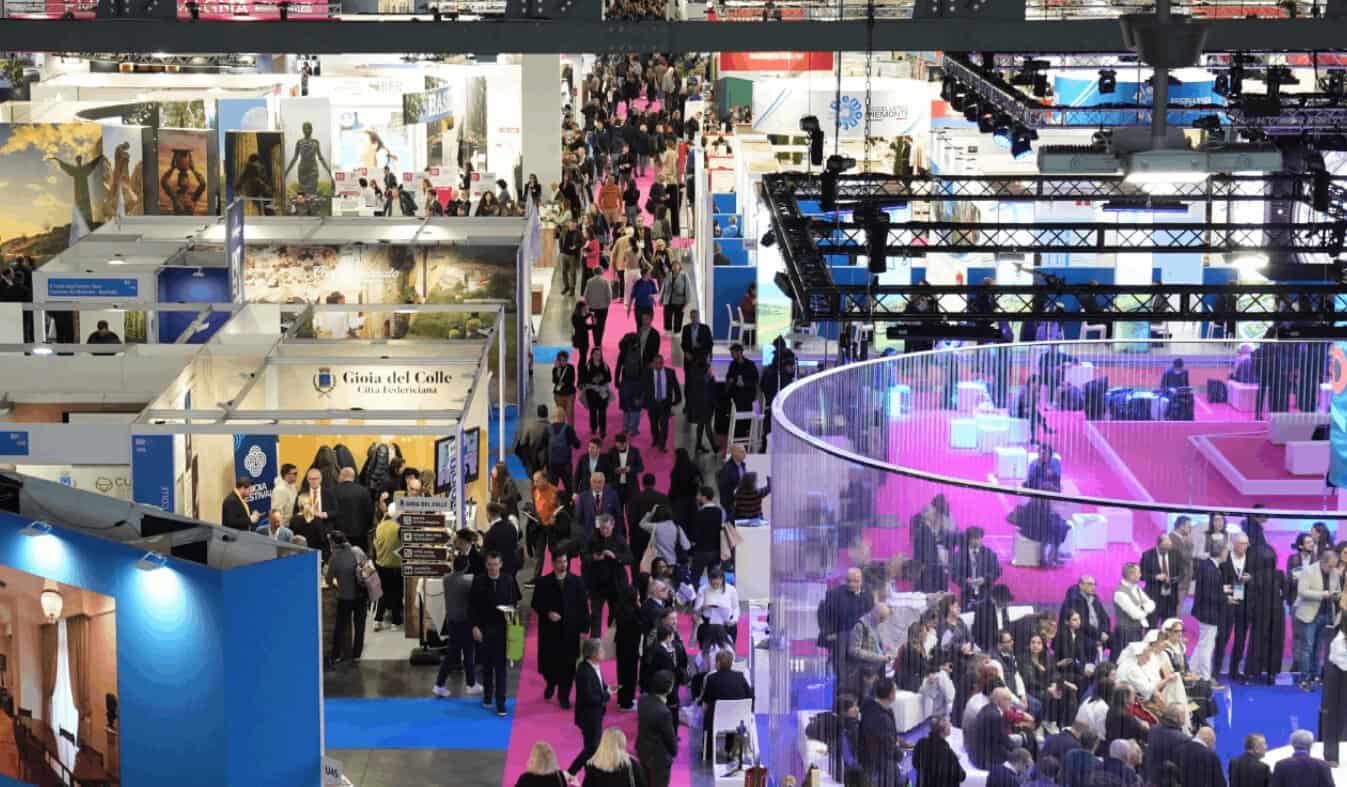
Autumn and winter are becoming increasingly important periods for tourism, as travellers seek wellness retreats, thermal spas, food experiences and wine-related activities beyond the traditional summer season. According to Virtuoso, autumn bookings increased by 59% in one year, while November departures across five European markets monitored by lastminute.com rose by 23%. Against this backdrop, BIT 2027, organised by Fiera Milano from 9 to 11 February 2027, will place travel motivations at the centre of its exhibition, highlighting wellness, thermal tourism, longevity and food and wine experiences as opportunities to reduce seasonality and develop new tourism demand.
Why Are Autumn and Winter Becoming More Important for Tourism?
Changing traveller preferences are creating opportunities for destinations and hospitality businesses to extend demand beyond the peak summer months. Rather than choosing trips solely for sightseeing or traditional holidays, travellers are increasingly interested in experiences linked to personal wellbeing, gastronomy, local culture and nature.
The latest figures cited by Virtuoso and lastminute.com illustrate this shift. Autumn bookings recorded a 59% annual increase, while November departures across five European markets tracked by lastminute.com grew by 23%. These figures suggest that travel demand is expanding into periods that have traditionally experienced lower visitor numbers in many destinations.
Seasonal tourism can benefit destinations by supporting hotels, restaurants, attractions and local businesses outside their busiest months. It can also give visitors opportunities to experience destinations in different conditions, whether through winter wellness stays, autumn harvest activities or regional food festivals.
Advertisement
Advertisement
BIT 2027 will address these developments through its Why | Travel by Motivation project. The initiative is designed to examine the motivations influencing destination choices and connect these interests with business opportunities for the travel industry.
Two of its principal themes will be Wellness, Thermal & Longevity and Food & Wine Experiences, both of which can encourage travel beyond the traditional summer holiday period.
Advertisement
Advertisement
How Is Wellness Tourism Expanding Across Global Markets?
Wellness tourism is benefiting from growing interest in experiences that support physical and mental wellbeing. The Global Wellness Institute valued the global wellness economy at US$6.8 trillion in its Global Wellness Economy Monitor 2025. The sector has recorded average annual growth of 6.2% since 2019, while the Middle East and North Africa registered annual growth of 7.2%.
These figures highlight the scale of the wider wellness economy and its growing importance across international markets. For tourism businesses, wellness can include spa treatments, thermal bathing, outdoor activities, meditation, healthy food and stays designed around relaxation.
Travellers are also looking beyond conventional spa facilities. Hilton’s 2027 Trends Report found that 79% of travellers consider the outdoors essential for relaxation, while 65% seek experiences that promote calm. Hilton also reported a 60% year-on-year increase in outdoor wellness treatments across its properties.
These findings suggest that wellness experiences are expanding into outdoor environments and nature-based activities. Hotels and destinations can respond through treatments in natural settings, outdoor relaxation spaces and experiences that combine wellbeing with local landscapes.
Wellness tourism is also attracting travellers across different age groups. While established markets continue to generate demand for spa breaks and thermal treatments, younger travellers are increasingly considering wellness when planning holidays.
For destinations seeking to reduce seasonality, this broader appeal creates opportunities to develop products for autumn and winter, when relaxation, thermal bathing and indoor wellness facilities can become particularly attractive.
Advertisement
Advertisement
What Makes Italy’s Thermal Tourism Market Significant?
Italy offers an established thermal tourism sector with substantial visitor spending. According to the Tourism Economy Observatory of the Chambers of Commerce, operated by Unioncamere and ISNART, thermal tourism generated approximately 24 million overnight stays in 2025.
Direct spending exceeded €5 billion, with international visitors accounting for 60% of that expenditure, equivalent to approximately €3 billion.
The figures underline the economic significance of thermal tourism and its contribution to Italy’s visitor economy. Thermal destinations can attract visitors through mineral-rich waters, spa treatments, therapeutic facilities and accommodation packages that encourage longer stays.
The market also includes high-spending travellers. According to the cited data, one in two thermal spa tourists qualifies as a high spender, with average daily expenditure of €256. Millennials account for 30.8% of these visitors.
This demographic mix indicates that thermal tourism is not limited to older travellers or traditional health-focused holidays. Younger visitors are also contributing to demand, creating opportunities for businesses to combine thermal facilities with contemporary hospitality, relaxation and lifestyle experiences.
For Italian destinations, thermal tourism can support travel throughout the year, depending on local facilities and operating schedules. It can also connect accommodation providers with restaurants, cultural attractions and other businesses that benefit from visitors staying beyond the peak summer season.
Advertisement
Advertisement
Why Are Younger Travellers Choosing Wellness Holidays?
Wellness tourism is increasingly appealing to younger travellers who want holidays that combine relaxation with physical and mental wellbeing.
Research by Awaze, conducted by Nomad Studios and Customer IQ among British travellers, found that 52% of Gen Z respondents had taken at least one wellness holiday in three years. The proportion was almost twice that recorded among previous generations. The research also found that 59% of respondents would spend at least £250 more per person on a wellness stay.
These findings suggest that wellness is becoming a more prominent consideration in holiday planning, particularly among younger consumers. Experiences involving relaxation, nature, spa facilities and healthier routines can provide an alternative to holidays focused primarily on sightseeing or entertainment.
Payment flexibility is another factor influencing travel purchasing decisions. Compass’ HeyLight Focus on Travel Observatory found that 26% of Italians were interested in spreading holiday costs across instalments. Six in ten respondents said they would use this option to purchase additional experiences during their stay.
Compass launched HeyLight Travel, a deferred-payment solution, at BIT 2026. Revolut has also incorporated accommodation bookings into its app through Stays, offering up to 10% cashback on spending.
These developments illustrate how financial services and digital platforms are becoming part of the travel planning and purchasing process. For tourism businesses, flexible payment options and integrated booking tools may help customers manage holiday budgets while considering additional experiences.
Advertisement
Advertisement
However, wellness demand extends beyond payment arrangements and hotel facilities. The central consideration is the experience travellers want from their time away, whether that means improving their wellbeing, spending time outdoors or enjoying a slower pace of travel.
Which Winter Destinations Combine Wellness and Local Culture?
Winter wellness experiences can combine thermal facilities with cultural activities, natural landscapes and regional traditions. Several destinations outside the traditional European spa circuit illustrate how these elements can support seasonal tourism.
Tunisia: Thermal Springs and Sahara Traditions
Tunisia offers thermal and cultural experiences during the colder months. At Korbous on Cap Bon, the Aïn Atrous thermal spring flows directly into the Mediterranean Sea, creating a distinctive setting for visitors interested in thermal bathing and coastal scenery.
Further south, Douz hosts the International Sahara Festival annually in late December. The event features horse races, music and Bedouin traditions, offering visitors a cultural experience alongside the region’s desert landscapes.
Together, thermal attractions and cultural events provide different reasons to visit Tunisia during winter, extending the destination’s appeal beyond its coastal summer tourism.
Algeria: Historic Baths and Desert Landscapes
Algeria combines a long thermal bathing tradition with dramatic natural landscapes. The petrified waterfalls of Hammam Meskoutine reflect a thermal heritage dating to Roman times, while ancient baths remain in use and are supplied by mineral-rich waters.
Advertisement
Advertisement
The country’s Great South offers a different experience. Tassili n’Ajjer, a UNESCO World Heritage Site, is known for its sandstone formations and rock paintings. In the Hoggar Mountains, visitors to Assekrem can stay in a refuge at an elevation of approximately 2,800 metres and watch the sunrise.
Timimoun, often known as the red oasis, features fortified clay villages, palm groves irrigated through ancient underground channels and dried-up salt lakes.
These destinations demonstrate how winter travel can combine nature, heritage and opportunities for reflection. However, travel in remote desert and mountain areas requires appropriate planning, local guidance and attention to seasonal conditions.
Sri Lanka: Whale Watching, Rail Journeys and Ayurveda
Sri Lanka offers opportunities to combine wildlife, landscapes and traditional wellness practices. From December to April, visitors travelling from Mirissa can seek opportunities to observe blue whales and sperm whales.
Inland, the train journey between Kandy and Ella passes through tea plantations and scenic highland landscapes, creating an alternative to coastal tourism.
Ayurveda also contributes to the country’s wellness offering through practices that include vegetable-oil massages, dietary approaches and meditation. These experiences can be incorporated into longer stays that combine relaxation with cultural exploration.
Advertisement
Advertisement
Taiwan: Thermal Bathing and Lantern Celebrations
Taiwan combines urban attractions with thermal bathing. Taipei’s Beitou district is home to a historic public bath dating to 1913, which now operates alongside a museum.
The destination also offers seasonal cultural experiences. The 2027 Lantern Festival falls on 20 February, with Pingxi’s traditional celebrations featuring paper lanterns released into the night sky.
Since January 2026, EVA Air has operated a daily direct service between Milan Malpensa and Taipei, connecting travellers with the airline’s wider Asian network. The service provides an air link between Italy and Taiwan for visitors interested in combining urban experiences, thermal bathing and cultural events.
How Are Italian Hotels Developing Wellness Experiences?
Hotels are increasingly positioned as wellness destinations in their own right, rather than simply accommodation providers serving nearby attractions.
On Ischia, Hotel Terme San Michele & SPA, part of BWH Hotels, operates in Sant’Angelo. Its facilities include natural thermal pools, mud treatments and inhalation therapies, with views overlooking a rocky islet connected to the island by a narrow strip of sand.
The property combines accommodation with thermal and wellness facilities, allowing guests to make relaxation a central part of their stay.
Advertisement
Advertisement
On Sicily’s southwestern coast, Torre del Barone Resort & Spa in Sciacca, part of Mangia’s and Gruppo Aeroviaggi, offers regeneration programmes near the sea. Its pools use sulphurous water maintained at a constant temperature.
These examples illustrate how hotel facilities can contribute to a destination’s appeal during cooler months. Thermal pools, spa treatments and wellness programmes can provide reasons to travel outside the summer period, while coastal settings and local attractions help broaden the overall experience.
For the wider tourism sector, such offerings can support longer stays and encourage visitors to explore the surrounding area, including local restaurants, cultural sites and regional products.
How Are Food and Wine Experiences Supporting Seasonal Tourism?
Food and wine tourism offers another route to reducing seasonality by connecting visitors with harvests, traditional production methods and regional culinary heritage.
The World Food Travel Association’s Food Travel Monitor 2026 found that 66% of travellers value food and wine experiences more than they did five years ago. The findings point to the growing importance of gastronomy in shaping travel decisions.
Italy has also recorded growth in food and wine-related travel. According to ENIT data cited in the Italian Food and Wine Tourism Report 2025, international food and wine-related stays increased by 176% over ten years, reaching 760,000 arrivals in 2024.
Advertisement
Advertisement
A study presented by AITE, the Italian Association of Food and Wine Tourism, estimates that approximately 18 million Italians will participate in wine-related experiences in 2026. This represents an increase of 4.5 million compared with 2024.
These experiences can include wine tastings, vineyard visits, food festivals, harvest participation and tours of traditional production sites. They also allow visitors to learn about local ingredients, agricultural practices and the communities that sustain regional food cultures.
Autumn and winter are particularly relevant because many agricultural activities follow seasonal cycles. Visitors can take part in olive harvesting, learn about truffle hunting, explore saffron production or discover traditional methods of preserving and processing food.
Italy: Olive Oil, Truffles, Saffron and Chestnuts
Across central Italy, olive mills open to visitors on weekends in October and November, demonstrating pressing techniques and offering tastings of freshly produced oil.
In the Apennines, visitors can accompany truffle hunters and their dogs through woodland searches. Some inland areas also offer saffron harvesting from mid-October to early November, allowing participants to observe early-morning flower picking and the manual separation of red stigmas.
Mountain villages preserve chestnut traditions through metati, traditional stone drying houses where chestnuts are slowly dried over smoke. Autumn festivals also serve necci, flatbreads made from chestnut flour.
Advertisement
Advertisement
These activities connect visitors with local producers and seasonal food traditions. They can also direct spending towards rural communities, supporting small businesses and providing additional reasons to visit outside peak holiday periods.
Spain: Olive Harvest Experiences in Jaén
In Spain’s province of Jaén, the Oleotour programme invites visitors to participate in olive-related experiences between October and December.
Activities include olive harvesting, visits to olive mills and opportunities to learn about production processes. Visitors can also take home a bottle of their own oil, making the experience more personal.
By linking agricultural production with tourism, programmes such as Oleotour provide a way for rural areas to attract visitors during the harvest season while promoting local products and traditions.
Japan: Winter Sake Production in Nagano
Japan’s winter sake season provides another example of production-led tourism. The Kurabito Stay programme in Nagano Prefecture allows visitors to spend two or three days experiencing the work of kurabito, the artisans involved in sake production.
Participants can learn about processes ranging from cooking rice to preparing koji, a key ingredient in fermentation.
Advertisement
Advertisement
Rather than focusing only on tasting, the experience introduces visitors to the skills and traditions behind the product. This creates a closer connection between tourism, local craftsmanship and cultural heritage.
Canada: Ice Wine Harvesting in Niagara
In Canada’s Niagara Peninsula, ice wine producers harvest grapes at night when temperatures reach at least eight degrees below zero.
The region’s January festival creates a tasting trail, with visitors able to sample local products at participating venues. One tasting room is designed to resemble an igloo and is maintained at minus ten degrees Celsius.
The harvest and tasting experiences demonstrate how specific climatic conditions can become part of a destination’s tourism identity. They also provide a seasonal attraction during winter, when some other forms of outdoor tourism may be less prominent.
What Can the Blue Zones Teach Wellness Travellers?
Interest in wellness tourism also extends to the Blue Zones, areas associated with high concentrations of people who live to an advanced age. These include Sardinia in Italy, Okinawa in Japan, Ikaria in Greece, Costa Rica’s Nicoya Peninsula and Loma Linda in California.
These communities are often discussed in connection with lifestyle patterns that include seasonal and predominantly plant-based diets, regular physical activity and strong social relationships. Shared meals and wine also form part of some local traditions.
Advertisement
Advertisement
For travellers, these destinations can offer opportunities to explore local food cultures, walking routes, community life and regional approaches to daily living. Their appeal lies in the possibility of understanding how food, movement, social interaction and local environments contribute to a distinctive way of life.
However, the presence of these characteristics should not be interpreted as proof that any single practice guarantees longevity. The Blue Zones concept is better understood as a way of exploring lifestyle patterns and cultural traditions rather than a substitute for individual medical advice.
How Will BIT 2027 Connect Travel Motivations with Business Opportunities?
BIT 2027 will organise its exhibition around seven thematic clusters and one cross-cutting hub under the Why | Travel by Motivation project. The concept aims to connect the reasons people travel with opportunities for tourism businesses and industry professionals.
The Wellness, Thermal & Longevity cluster will cover medical wellness, longevity travel and demand for physical and mental rejuvenation. Food & Wine Experiences will focus on gastronomy as a driver of destination discovery, local identity and cultural engagement.
The Tech, Hospitality & Innovation hub will connect the thematic clusters and examine tools designed to facilitate travel management.
Emanuele Guido, Head of Home, Fashion and Leisure Exhibitions at Fiera Milano, said the project would place the motivations behind travel choices at the centre of the exhibition.
Advertisement
Advertisement
“With Why | Travel by Motivation, we are putting the why of travel centre stage – what really drives people’s choices,” Guido said. He explained that travel motivations were becoming more diverse, from personal wellbeing to experiences centred on food, wine and local destinations.
Guido also highlighted the potential of wellness and food-related clusters to generate demand and contribute to reducing seasonality. The exhibition aims to provide the travel market with opportunities to understand changing preferences and connect supply with demand.
BIT 2027 will bring international buyers specialising in the thematic areas together with exhibitors, with the aim of developing targeted business relationships.
The event will also host the Travel Makers Fest, BIT’s tourism festival inspired by contemporary thought festivals. The 2027 edition will focus on The Power of Trust, examining trust in the travel sector as artificial intelligence becomes more involved in travel planning.
Hilton’s report found that 70% of travellers trust hotel staff to help plan their trips. The finding highlights the continuing importance of human expertise alongside digital tools, particularly when travellers are choosing experiences that involve personal preferences, wellbeing and unfamiliar destinations.
The 47th edition of BIT will take place at Fiera Milano from 9 to 11 February 2027.
Advertisement
