
Discover Why TUI and Viking Warn Travelers as Low Water Levels Threaten Rhine and Danube Holidays Across Europe

Published
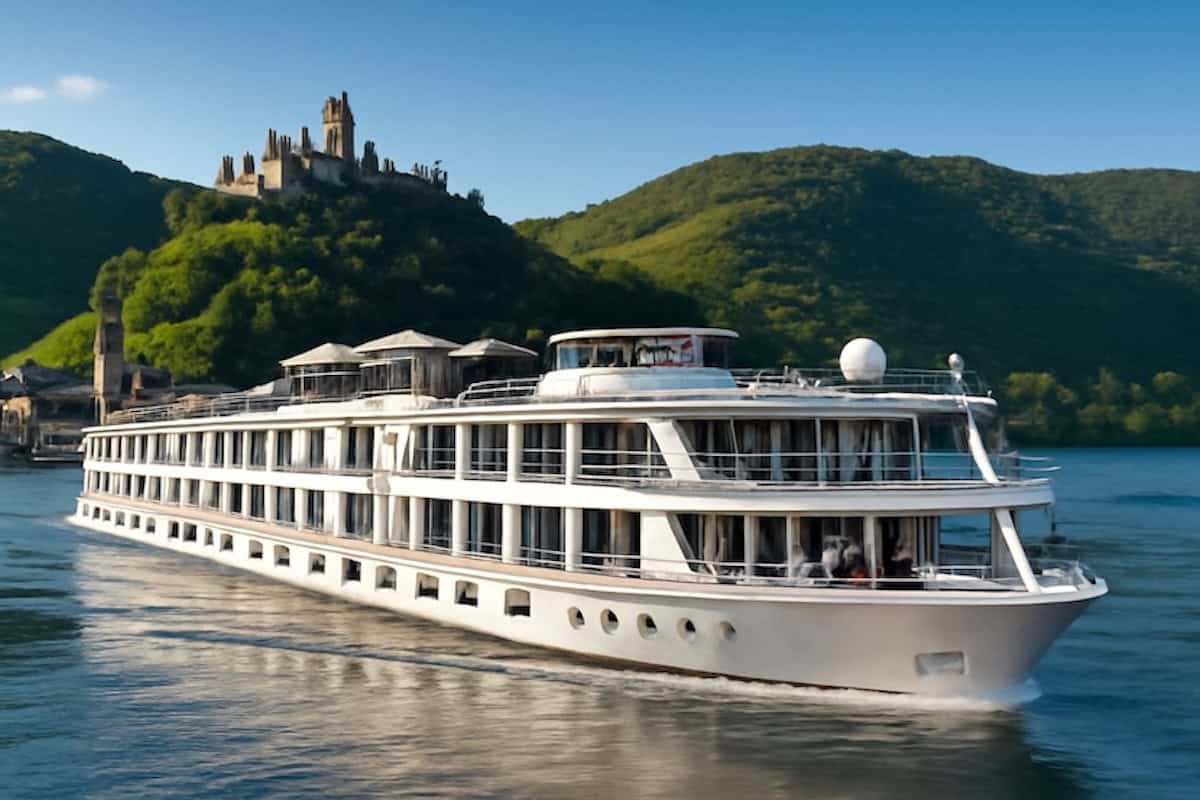
Image generated with Ai
Travel And Tour World urges travelers to discover why TUI and Viking warn travelers as low water levels threaten Rhine and Danube holidays across Europe. The latest warning matters because Rhine and Danube holidays attract travelers seeking memorable European experiences. However, changing water conditions could affect some journeys and create unexpected travel adjustments. Therefore, travelers planning Rhine holidays or Danube holidays should understand what the warnings mean before departure. TUI and Viking are closely watching conditions as travelers prepare to explore Europe. Meanwhile, low water levels remain an important concern for river cruising. Read the entire story to discover what travelers need to know.
European river cruises are facing a fresh challenge as changing water conditions create uncertainty for travelers exploring some of the continent’s most popular waterways. TUI and Viking have warned passengers that river conditions could affect planned journeys.
For tourists, the development is important because river cruises are often booked months in advance. Travelers typically plan flights, hotels, sightseeing tours and transfers around fixed cruise schedules.
However, river travel depends heavily on navigable water levels. When conditions become difficult, cruise operators may need to modify their plans.
Advertisement
Advertisement
That could mean changes to sailing arrangements, transportation, docking points or sightseeing schedules.
Advertisement
Advertisement
Why Low Water Levels Matter for River Cruise Travelers
Unlike ocean cruise ships, river vessels operate within waterways that can experience significant changes in depth.
Low water can make certain sections difficult to navigate. Cruise companies must therefore monitor conditions throughout a voyage.
The Rhine and Danube are particularly important for European river tourism. They pass through or connect numerous destinations that attract international visitors throughout the year.
A change affecting one part of a river can potentially influence the wider itinerary.
For passengers, this means that the journey advertised at the time of booking may occasionally require operational adjustments.
Advertisement
Advertisement
TUI Travelers Could See Itinerary Changes
TUI River Cruises is among the operators monitoring conditions across European waterways.
When water levels create navigation difficulties, cruise companies can consider different operational solutions. These may include changes to sailing plans or the use of road transportation for selected sections.
Such arrangements can allow travelers to continue their holidays even when a ship cannot complete the original route.
For tourists, however, the experience may feel different from the itinerary they initially expected.
A passenger who planned to wake up beside a particular European city could instead arrive by coach. Similarly, a scheduled sailing between two destinations could be replaced by alternative transportation.
Advertisement
Advertisement
Travelers should therefore pay close attention to updates received from their cruise operator.
Viking Passengers Also Need to Stay Alert
Viking is another major name in European river cruising that has been monitoring water conditions.
Recent reports have highlighted operational difficulties involving Viking vessels on European rivers. These developments have renewed attention on how changing water conditions can affect river-based holidays.
For passengers, the most important point is that river conditions can change quickly.
An itinerary may therefore be reviewed before or during a cruise.
Advertisement
Advertisement
Travelers should avoid relying solely on an itinerary received months earlier. Instead, they should check the latest information provided by their cruise company before departure.
Rhine and Danube Remain Major Tourist Routes
The Rhine and Danube are among Europe’s best-known river cruise destinations.
The Rhine offers access to historic cities, medieval towns, castles and famous European landscapes. The Danube connects a wide range of destinations and provides access to several major cultural centers.
These rivers also form part of Europe’s important inland waterway network.
That makes them valuable not only for tourism but also for wider transportation and economic activity.
Advertisement
Advertisement
For cruise passengers, their popularity means that even relatively small operational changes can affect large numbers of holidaymakers.
Travelers Should Prepare for Flexible Arrangements
Passengers preparing for a European river cruise should consider flexibility when organizing their trip.
The first step is to monitor official cruise-company communications. Updates should be checked shortly before departure and during the journey.
Travelers should also keep their luggage organized for possible transportation changes.
A coach transfer between destinations can involve different luggage arrangements from a conventional sailing. Keeping essential medication, documents and valuables in hand luggage can therefore be useful.
Advertisement
Advertisement
Travelers with independent plans should also leave sufficient time between their cruise and onward journey.
Be Careful With Flights After Your Cruise
International tourists should pay particular attention to post-cruise flight arrangements.
A river cruise itinerary can change when water conditions become difficult. Although operators may work to keep passengers moving according to schedule, delays or revised arrangements can occur.
Booking a flight immediately after expected disembarkation can therefore create unnecessary pressure.
Allowing additional time between the cruise and an international flight provides greater protection against unexpected changes.
Advertisement
Advertisement
This is especially important for travelers connecting to long-haul flights or separate accommodation.
A Disruption Does Not Always Mean Cancellation
The latest warnings should not automatically be interpreted as a complete shutdown of European river cruising.
Cruise operators have several ways to respond when navigation conditions become challenging.
A vessel may operate on an accessible section while passengers use alternative transportation elsewhere. Docking arrangements can also change.
The result can be an altered holiday rather than a cancelled holiday.
Advertisement
Advertisement
For many travelers, this distinction is important.
A modified journey can still provide opportunities to explore European cities, enjoy local attractions and experience the region’s famous river landscapes.
Water Conditions Are Becoming More Important for Tourism
The situation also highlights a wider environmental issue affecting European travel.
Water availability varies considerably across the continent. Drought and changing weather patterns can influence rivers, reservoirs and other freshwater resources.
For tourism, these changes can become increasingly relevant.
Advertisement
Advertisement
River cruising is particularly sensitive because ships depend directly on navigable waterways.
Travelers should therefore recognize that weather and water conditions can sometimes influence holidays in ways that are less obvious when making a booking.
What Travelers Should Do Before Booking
Tourists considering a European river cruise should research the season carefully.
They should check the cruise company’s terms and conditions and understand how itinerary changes are handled.
Travel insurance is also worth considering. Travelers should examine coverage for delays, transportation changes and other disruptions before purchasing a policy.
Advertisement
Advertisement
It is also sensible to avoid building an overly rigid schedule around the cruise.
Keeping accommodation, flights and sightseeing plans flexible can make unexpected changes easier to manage.
European River Cruising Still Offers a Unique Experience
Despite the challenges, European river cruising remains an attractive way to explore multiple destinations during one vacation.
Passengers can visit historic cities while traveling through scenic landscapes without repeatedly changing hotels.
The current warnings simply demonstrate why travelers need to remain flexible.
Advertisement
Advertisement
TUI and Viking passengers should follow official updates and prepare for possible changes to their plans.
For global tourists, the message is straightforward. Do not panic, but do plan carefully.
European river conditions can influence itineraries, but a change does not necessarily mean the holiday will be lost.
With realistic expectations, flexible arrangements and regular communication with the cruise operator, travelers can still enjoy a memorable journey through Europe’s iconic waterways.
Conclusion
European river cruising remains an exciting way to discover iconic destinations, but travelers should prepare for possible changes. Low water levels can affect Rhine and Danube holidays, while TUI and Viking continue monitoring conditions closely. Therefore, passengers should check official updates before departure and remain flexible with their plans. Travel And Tour World urges travelers to allow extra time for connections and avoid tightly scheduled arrangements after their cruise. Most importantly, a potential disruption does not necessarily mean a cancelled holiday. With careful planning, updated information and realistic expectations, travelers can still enjoy the remarkable landscapes, historic cities and cultural experiences offered by Rhine and Danube journeys across Europe.
Advertisement
