
Greece Leads Global Shipping as Island Travellers Face a Different Ferry Reality Beyond Summer Travel

Published
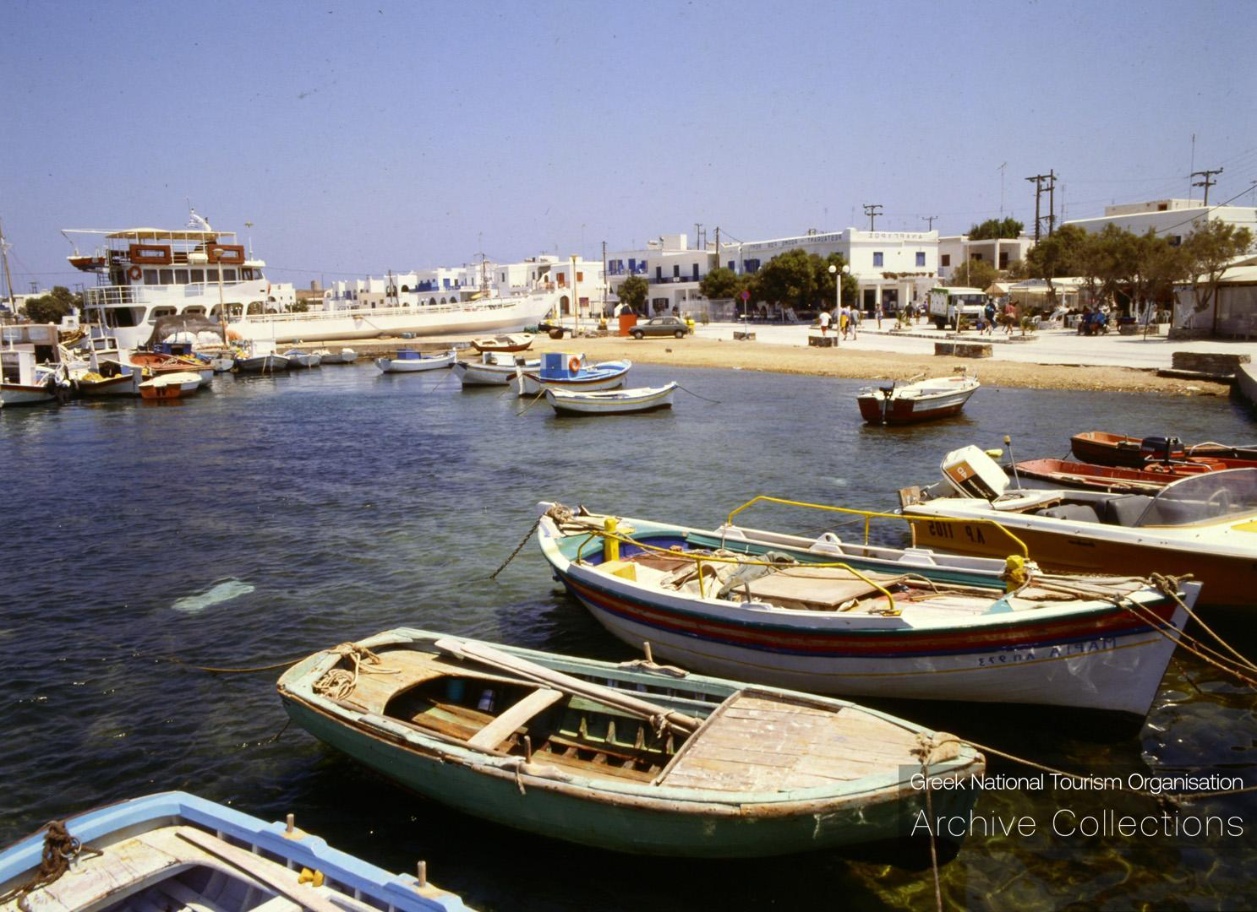
Although Greece operates a large volume of the world’s merchant fleet, ferry travel within Greece follows its own set of regulations. During World Maritime Day in September 2026, visitors to Greece may find it more productive to ask about ferry services instead of shipping services. Traditionally, the transport industry in Greece relied on shipping services. However, transport services and connectivity to Greece’s islands have become more reliant on scheduled ferry services. Weather conditions and ferry schedules impact travel to the Greek islands as much as fares. Shipping services play a key role in Greece’s international trade and transport, but they do not connect the island’s population with the mainland. Ultimately, it is up to travelers to determine the transport services that best suit their needs.
A global fleet is not an island ferry timetable
The Union of Greek Shipowners’ 2025–26 report puts the Greek-owned fleet at nearly 5,800 vessels. It says those ships account for more than 19% of global merchant fleet capacity and 61% of the EU-controlled fleet’s capacity. These figures describe commercial shipping on a global scale. They do not measure the number of passenger ferries sailing between Greek islands. ugs.gr
Advertisement
Advertisement
That distinction matters when a traveller plans a journey from Piraeus to Naxos, or tries to connect from Naxos to a smaller island. The useful questions are practical: Does the ferry run on the chosen date? Is the arrival late at night? How much does a cabin or vehicle add to the fare? Is there enough time to make the next connection?
A large national fleet cannot answer those questions. Greek-owned merchant vessels carry goods and energy around the world, often under flags other than Greece’s. Passenger services depend on a separate network of operators, approved routes, ports and public-service agreements.
Advertisement
Advertisement
The figures behind the ferry question
| Measure | Latest cited result | What it tells travellers |
|---|---|---|
| Greek-owned merchant fleet | Nearly 5,800 vessels, UGS 2025–26 | Greece’s global shipping scale; not the number of island ferries |
| Inbound traveller flows | Up 6.4% in 2025, Bank of Greece | More visitors entered Greece; the figure does not show service on any one ferry route |
| Travel receipts | €23.63 billion in 2025, up 9.4%, Bank of Greece | Tourism’s economic importance, including demand that island transport helps serve |
| Passenger traffic at Greek ports | Down 1.0% in Q1 2026 year on year, ELSTAT provisional data | A national winter-period indicator; it cannot establish whether a particular island has adequate service |
The tourism results come from the Bank of Greece’s final 2025 travel data. The port figure comes from the Hellenic Statistical Authority’s first-quarter 2026 release. Together, they show why national growth and an individual traveller’s experience need separate scrutiny. bankofgreece.gr
Advertisement
Advertisement
Summer demand does not describe a winter journey
Greece’s island economy draws strength from visitors, especially when travel peaks. The Bank of Greece says the Southern Aegean accounted for the largest share of the country’s travel receipts and overnight stays in 2025. Its national figures also show that inbound travellers rose faster than overnight stays: 6.4% against 1.6%. bankofgreece.gr
Those totals tell a strong tourism story. They cannot tell someone booking a November trip whether a convenient sailing will be available. A visitor choosing several islands needs to examine every leg, including the return to the mainland.
Winter services also face the ordinary limits of travel by sea. In January 2026, Blue Star Ferries published weather-related changes affecting routes through Paros, Naxos, Donoussa, Astypalea and other islands. One listed Piraeus–Astypalea itinerary was cancelled, while other departures changed time or route. That notice documents a specific disruption; it does not mean winter services generally stop. Blue Star Ferries
The lesson is simple. A published route is the starting point for planning, and a live operator notice is essential close to departure. Anyone making an onward flight or holding a hotel booking on another island should allow for the possibility of a changed sailing.
Why the state supports some island routes
For island residents, a ferry is far more than a holiday connection. It links communities with work, education, appointments and supplies. Visitors use that same network, particularly outside the busiest months.
Advertisement
Advertisement
Greece’s Ministry of Maritime Affairs and Insular Policy invited bids in April 2026 for public-service ferry routes covering the 2026–27 operating period. Such agreements matter because a route’s public value may extend beyond its appeal to summer tourists. The invitation is evidence of a planned contracting process, not proof that every proposed service has begun operating. ΥΝΑΝΠ
The ministry has also set out a move towards four-year contracts, running from November 2025 to October 2029, for supported services. It presented the longer period as a way to improve route reliability and allow newer vessels to enter service. Travellers should still check the approved timetable for their exact journey; a multi-year agreement does not fix every departure time years in advance. ΥΝΑΝΠ
A separate ministry plan, published in April 2026, addresses renewal of Greece’s passenger-shipping fleet. The aim concerns the vessels that serve passengers, unlike the merchant-fleet figures that prompted this story. It would be premature to promise a better trip on a particular route until new ships or service changes are confirmed there. ΥΝΑΝΠ
Ferry fares need a journey-wide check
A low headline fare may be only one part of an island trip. Travellers may need to pay for a vehicle, a reserved seat or a cabin. An overnight arrival can also create an extra hotel or transfer cost.
Prices and offers vary by route, date, passenger and booking conditions. Blue Star Ferries, for example, has advertised discounts tied to particular routes and travel periods, as well as separate conditions for island residents. A resident discount should not be treated as a fare available to every international visitor. bluestarferries.com
Advertisement
Advertisement
The most useful comparison is the full cost of the itinerary. Look at each ferry leg, any overnight stay between connections and the cost of changing a booking. Compare those details on the operator’s booking page before paying; a fare quoted for a summer sailing cannot establish the price of a winter departure.
A practical route check before booking
- Search each leg separately. A mainland-to-island ferry does not establish that a convenient onward island connection exists.
- Check the actual travel date. Seasonal and weekday patterns can differ from the route shown in a general destination guide.
- Allow time between services. Weather or a timetable change can affect an onward ferry, flight or hotel arrival.
- Review the final fare. Include seats, cabins, vehicles and the conditions attached to any discount.
- Recheck operator notices. Do this near departure, especially during unsettled winter weather.
What the gap means for tourism businesses
Reliable access affects more than the person holding a ferry ticket. A hotel must know when guests can arrive. A tour operator needs enough time between ports to offer an excursion. Local restaurants and shops depend on people being able to reach the island and leave as planned.
This is particularly relevant to year-round island tourism. Promoting quieter months is easier when visitors can assemble a workable journey. A beautiful destination alone cannot solve a missed connection or an arrival after local transport has finished for the day.
The same issue affects international travel planning. A visitor flying into Athens may see the airport as the beginning of the trip, but the ferry and any overnight wait determine when the island holiday starts. National aviation access and national shipping capacity do not replace a route-level itinerary.
There is a wider economic reason to follow the issue closely. The Bank of Greece recorded €23.63 billion in travel receipts in 2025. That does not show how much of the total depended on ferries, but it establishes the size of the visitor economy served by Greece’s transport network. bankofgreece.gr
Advertisement
Advertisement
Frequently asked questions
Do Greek islands have ferries in winter?
Some do. Service depends on the island, route and date. Check the operator’s current timetable for every leg rather than assuming a summer sailing runs throughout the year.
Can winter weather change a booked ferry?
Yes. Operators may change or cancel sailings when conditions require it. Check official service notices close to departure and leave room in the itinerary for a disrupted connection. Blue Star Ferries
Does Greece’s huge shipping fleet mean cheaper ferry tickets?
No direct link is established. The headline fleet figure concerns Greek-owned merchant shipping. A passenger fare depends on the specific sailing, ticket type, vehicle or cabin choice, and any eligible offer.
The journey behind the shipping headline
Greece has a vast maritime area and thousands of islands. For tourists, and particularly for those needing to use ferry services, the right connections at the right prices are essential. Domestic services are subsidized by the state and the tenders for these contracts and the associated fleet plans affect the available connections. The timetables and routes are determined by the transport companies. Travelers need to plan connections and check the timetables to make sure they don’t miss their booked connection. For sailing outside the main touristic season, travelers should have information about the particular routes they plan to take. Each ticket booked tells a traveler’s story within the context of all the tickets available.
Advertisement
