
Germany Alongside Romania And Other Countries Power Bulgaria Tourism Surge As Millions Of International Travellers Continue Choosing The Balkan Destination In June: You Need to Know

Updated
Published
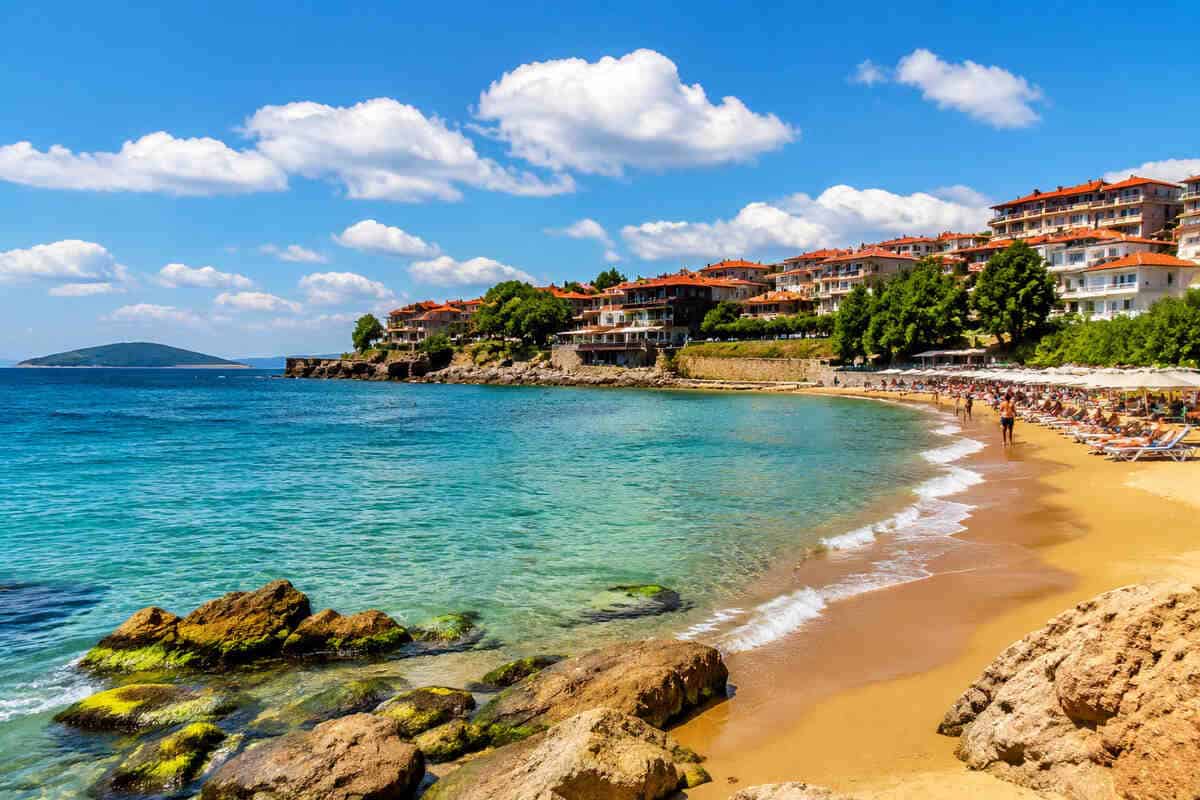
Germany alongside Romania and other major European markets helped power Bulgaria’s tourism performance in June, as the Balkan destination attracted 1.42 million foreign visitors despite a slight 0.2% year-on-year decline. The strong visitor flow was supported by high demand from European Union travellers, who represented 57% of all international arrivals, with Romania emerging as the largest EU source market and Germany remaining one of the country’s key tourism partners. Additional arrivals from Turkey and other European countries further strengthened Bulgaria’s summer travel momentum.
According to official statistics, Bulgaria welcomed approximately 1.42 million foreign visitors in June, representing a 0.2% year-on-year decrease. The decline was limited, showing that the country’s tourism sector maintained relatively stable international interest during the summer travel period.
Regional Travel Continues To Drive Bulgaria’s International Visitor Growth
The latest tourism figures show that Bulgaria’s visitor economy continues to depend heavily on short-distance European travel. A significant share of international arrivals came from nearby countries, supported by convenient transport connections, regional tourism demand and seasonal summer travel patterns.
Around 30% of all foreign visitors in June travelled through Bulgaria as part of transit journeys, highlighting the country’s important position as a regional travel corridor. Bulgaria’s location in Southeast Europe allows it to serve both as a holiday destination and as a route connecting different European and neighbouring markets.
Advertisement
Advertisement
The strong presence of transit visitors also reflects Bulgaria’s role between major travel regions, including Central Europe, the Balkans and Turkey. Many travellers crossing the country contribute to overall visitor numbers while supporting spending in transport, accommodation, food services and local businesses.
European Union Visitors Represent Majority Of Foreign Arrivals
Visitors from European Union countries continued to form the largest group of international travellers to Bulgaria during June. EU citizens accounted for 812,800 arrivals, representing around 57% of all foreign visitors recorded during the month.
Advertisement
Advertisement
The figures demonstrate the importance of the European market for Bulgaria’s tourism industry, especially during the peak summer travel season. Strong connectivity within the EU, easier border movement and established holiday routes continue to support visitor flows from European destinations.
Among EU countries, Romania remained Bulgaria’s largest source market, contributing around 30% of all EU visitors during June. The neighbouring country’s strong connection with Bulgaria continues to encourage frequent leisure, business and short-break travel.
Germany ranked as another important European market, accounting for approximately 15% of EU visitors. German travellers remain a valuable segment for Bulgaria’s tourism sector due to demand for coastal holidays, cultural experiences and nature-based tourism.
Romania And Germany Strengthen Bulgaria’s European Tourism Network
The continued performance of Romania and Germany highlights Bulgaria’s ability to attract visitors from both neighbouring and Western European markets.
Romania’s position as the leading EU source market is supported by geographical proximity and strong road links between the two countries. Many Romanian travellers choose Bulgaria for summer holidays along the Black Sea coast, family trips and weekend escapes.
Germany’s contribution reflects the country’s long-standing importance in Bulgaria’s tourism landscape. German visitors have traditionally been among the key international groups travelling to Bulgaria, particularly for beach resorts, historical attractions and outdoor experiences.
Advertisement
Advertisement
The balance between nearby regional travellers and visitors from larger European economies provides stability for Bulgaria’s tourism sector, helping reduce dependence on a single market.
Turkey Remains The Dominant Non-EU European Market
Outside the European Union, Bulgaria continued to receive significant visitor numbers from neighbouring European countries. Total arrivals from other European nations reached 525,600 in June.
Turkey represented the largest share of this segment, accounting for 46% of visitors from non-EU European markets.
The strong Turkish visitor presence reflects close geographic, economic and cultural connections between the two countries. Frequent cross-border movement, road accessibility and business links continue to support travel between Turkey and Bulgaria.
Turkey’s importance as a tourism market also demonstrates Bulgaria’s position as a destination attracting both holidaymakers and regional travellers moving across Southeast Europe.
Bulgaria Tourism Sector Maintains Stability During Summer Season
Although international arrivals recorded a slight annual decline, Bulgaria’s tourism performance remained broadly stable in June. The country continued to benefit from strong demand from European Union markets, neighbouring countries and regional travellers.
Advertisement
Advertisement
The latest figures highlight the importance of maintaining diverse international markets to support long-term tourism resilience. While traditional European markets remain essential, Bulgaria continues to attract visitors through its combination of coastal destinations, cultural heritage, natural landscapes and strategic location.
Germany alongside Romania and other European markets strengthened Bulgaria’s tourism performance in June, as 1.42 million foreign visitors arrived, driven by strong EU travel demand and continued interest from key regional markets.
Bulgaria’s tourism sector maintained strong international appeal in June, supported by steady visitor demand from Germany, Romania, Turkey and other key European markets. Although foreign arrivals recorded a slight annual decline, the country continued to attract millions of travellers, with EU visitors forming the backbone of international tourism. The latest figures highlight Bulgaria’s resilience as a summer destination and the continued importance of regional connectivity, diverse source markets and European travel demand in sustaining future tourism growth.
Advertisement
