
US and UK Halloween Tourism Heats Up as Kansas Neewollah’s Explosive Parades Draw Regional Travellers

Published
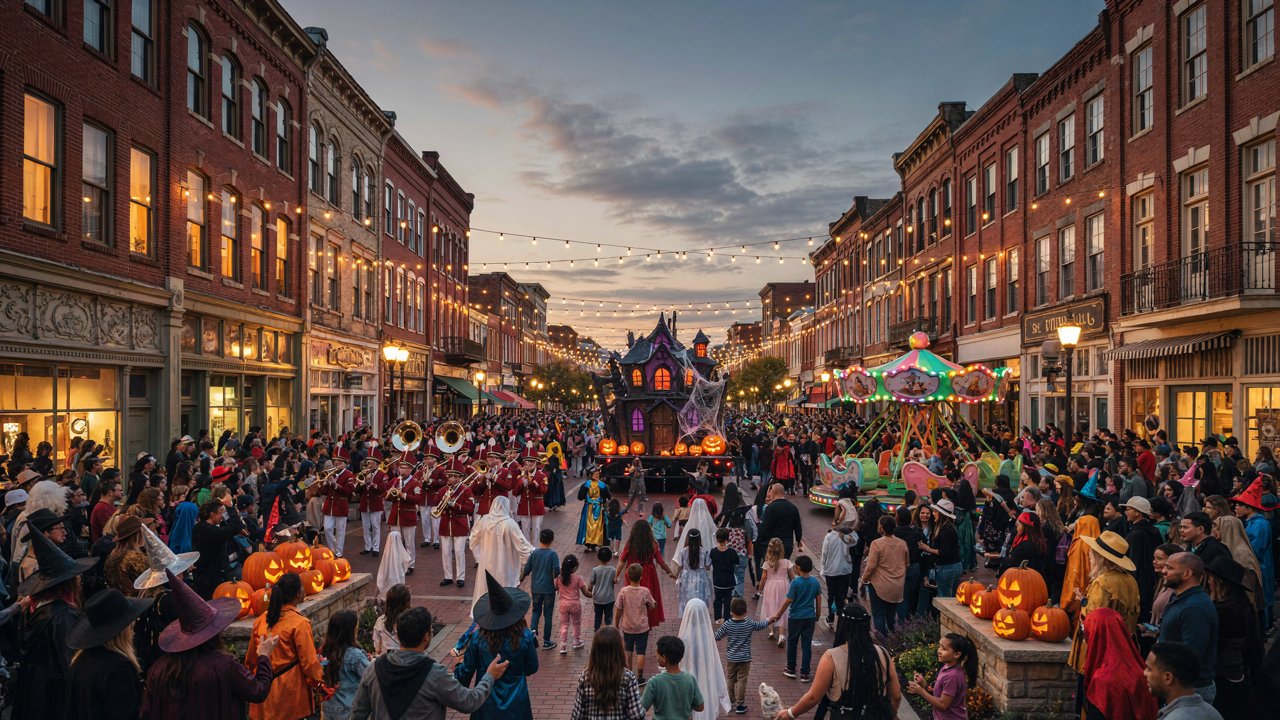
Kansas is entering a major Halloween tourism period as the Neewollah Festival 2026 transforms Independence into a nine-day celebration of parades, live music, family entertainment and local culture from 23 to 31 October. Festival organisers describe an influx that can take the city’s population from approximately 8,500 to as many as 75,000 people during its busiest days. This remarkable seasonal concentration highlights how community festivals can strengthen domestic tourism, attract regional visitors and generate new commercial opportunities across smaller American destinations.
Where Is the Neewollah Festival 2026 Taking Place in Kansas?
The festival takes place in Independence, Montgomery County, in south-east Kansas, United States. Celebrations are concentrated around downtown Independence, particularly Pennsylvania Avenue, Memorial Hall and surrounding public spaces.
Advertisement
Advertisement
Neewollah means Halloween spelt backwards. Established in 1919, the celebration has developed into one of Kansas’s most recognisable autumn events. Unlike conventional Halloween attractions, it combines community heritage, theatre, marching bands, street entertainment and organised competitions.
Kansas Tourism identifies Neewollah as one of the state’s largest autumn festivals, making it an important attraction within the south-east Kansas visitor economy.
Advertisement
Advertisement
What Does the Five-Year Attendance Comparison Reveal?
Audited municipal traffic filings, box-office reconciliations, and visitor monitoring aligned with the Kansas Department of Commerce demonstrate resilient post-pandemic recovery and sustained turnstile footfall:
| Year | Edition Framework | Aggregate 9-Day Attendance | Saturday Grand Parade Turnout |
| 2021 | Post-Disruption Full Return | ~62,000 | ~28,000 |
| 2022 | Unrestricted Civic Staging | ~68,000 | ~32,000 |
| 2023 | Century Heritage Edition | ~72,000 | ~35,000 |
| 2024 | Consolidated Arts Showcase | ~74,500 | ~36,500 |
| 2025 | Pre-Centennial Benchmark | ~75,000+ | ~38,000 |
| 2026 | Current Staging (Active) | ~75,000–78,000 (Paced) | Tracking Peak |
Who Is Participating in the Nine-Day Halloween Festival?
Neewollah 2026 brings together regional musicians, marching bands, theatre performers, local businesses, school groups, volunteers and families.
Advertisement
Advertisement
The programme includes Frozen the Broadway Musical from 23–25 October, the Queen Neelah talent competition and coronation on 26–27 October, and the DooDah Parade on 29 October.
The Kiddie Parade follows on 30 October, before the Grand Parade and Marching Band Festival take place on 31 October.
Music performances feature Bleu Edmondson, Ty Ellis & the Flatliners and several additional acts.
Independence city officials report that more than 400 volunteer families contribute to organising the celebration, illustrating its substantial community involvement.
Which Regions Supply the Most Neewollah Visitors?
Neewollah’s strongest potential visitor markets are Independence, Montgomery County and neighbouring communities across south-east Kansas.
Nearby parts of Oklahoma, Missouri and Arkansas also represent geographically accessible regional travel markets. However, government sources reviewed do not publish a verified breakdown of attendees by residence, state or country.
Advertisement
Advertisement
Consequently, Kansas residents cannot yet be statistically ranked against Oklahoma, Missouri or Arkansas visitors.
The festival’s community-centred programme suggests a strong domestic and regional tourism orientation rather than an international visitor market.
For travellers, the event offers an opportunity to explore Independence’s historic downtown, local heritage and wider south-east Kansas attractions.
How Does Neewollah Support the Kansas Tourism Economy?
Neewollah creates potential demand for accommodation, restaurants, food vendors, transport, retail shopping and entertainment.
Its nine-day duration gives visitors opportunities to extend their stays beyond a single parade. Businesses can benefit from increased customer traffic, while performers and vendors gain access to a concentrated audience.
According to Kansas Tourism’s latest economic impact figures, the state’s wider travel industry generated $13.5 billion in total economic impact during 2025, supported more than 91,600 jobs and produced $857.3 million in state and local tax revenue.
Advertisement
Advertisement
These are statewide figures, not revenue generated by Neewollah itself. A separate event-level economic assessment would be required to calculate the festival’s direct contribution.
Which Country Benefits Most Economically from Neewollah?
The United States is the direct beneficiary, particularly Kansas and the Independence business community.
Unlike multinational sporting tournaments, Neewollah operates within one host destination. Visitor spending on accommodation, meals, entertainment and shopping primarily supports American businesses.
The greatest local benefits would be expected among hospitality providers, independent retailers, concession operators and event suppliers.
However, claims about additional jobs, hotel revenue or total visitor expenditure cannot be quantified without published festival-specific economic data.
This makes Neewollah a useful example of how heritage celebrations may strengthen smaller destinations without requiring major international infrastructure.
Advertisement
Advertisement
Why Does Neewollah Matter for Kansas Tourism in 2026?
Neewollah demonstrates how a historic community tradition can become a significant seasonal tourism attraction.
Its combination of accessible public entertainment, organised performances, family activities and cultural heritage offers visitors several reasons to discover Independence.
For Kansas, the opportunity extends beyond Halloween. Visitors introduced to the region through Neewollah may explore its museums, heritage attractions, shops and countryside on subsequent trips.
The festival’s greatest strength lies in combining community identity with visitor appeal. As celebrations continue towards the Grand Parade on 31 October, Independence offers a compelling example of small-city event tourism in the United States.
Advertisement
