
Spain Nears 100 Million Tourists as Capacity Crisis Sparks Shift Toward High-Value, Sustainable Tourism

Published
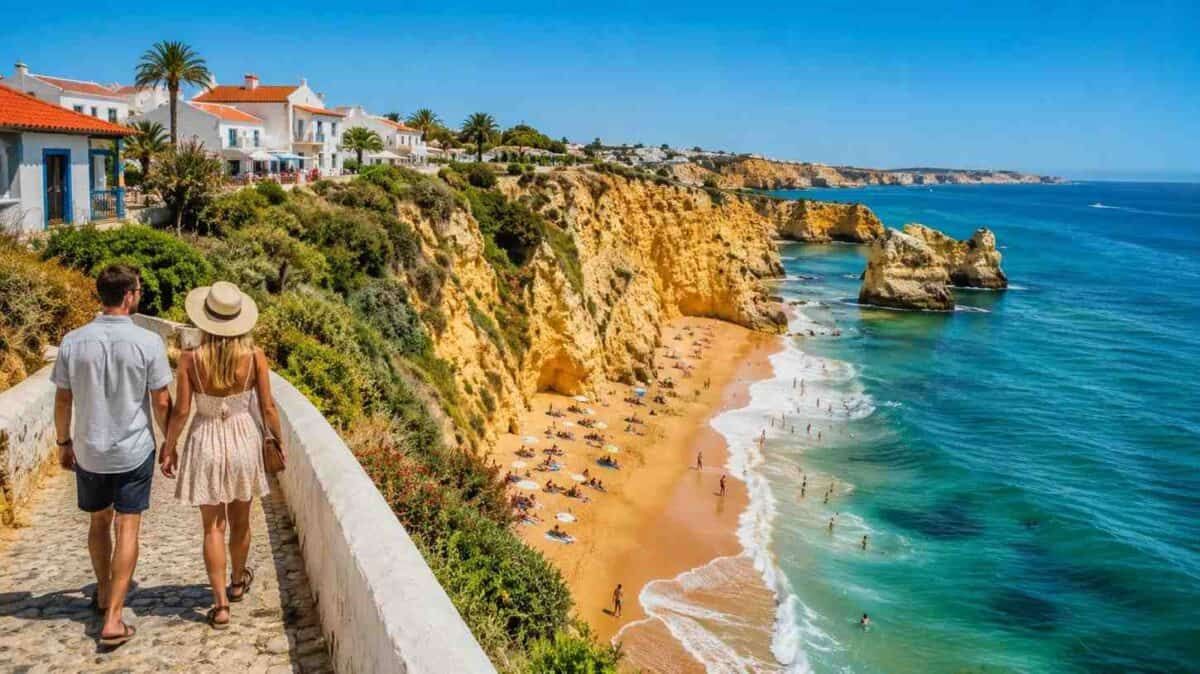
Image generated with Ai
Spain is on course to welcome nearly 100 million international visitors, a milestone that would cement its position among the world’s most visited countries. Yet the remarkable growth of the tourism industry has also ignited a national debate over whether the country has reached the limits of its tourism capacity. Economists, policymakers, and industry leaders are increasingly asking whether Spain is becoming a victim of its own success—a phenomenon often described as “dying of success.”
Tourism remains one of Spain’s strongest economic engines, contributing more than 12% of the country’s Gross Domestic Product (GDP) and supporting a similar share of national employment. However, the rapid expansion of visitor numbers has intensified concerns about overcrowding, housing shortages, environmental pressures, and the long-term sustainability of an economy heavily dependent on mass tourism.
Advertisement
Advertisement
As travel patterns evolve and competition among destinations intensifies, experts argue that Spain’s future lies not in attracting ever-larger numbers of visitors but in creating a tourism model centered on quality, sustainability, and higher economic value.
Tourism Continues to Power Spain’s Economy
Spain has enjoyed years of record-breaking tourism growth, fueled by its Mediterranean beaches, historic cities, renowned gastronomy, cultural attractions, and well-developed hospitality sector. According to Spain’s National Statistics Institute (INE) and tourism authorities, international arrivals have continued to rise steadily following the post-pandemic recovery, placing the country within reach of the symbolic 100 million visitor mark.
Advertisement
Advertisement
The industry’s economic contribution extends well beyond hotels and restaurants. Tourism supports airlines, retail businesses, transportation services, entertainment venues, cultural institutions, and thousands of small and medium-sized enterprises across the country. It also generates significant tax revenue and employment opportunities in regions where tourism is the primary economic activity.
Advertisement
Advertisement
Despite these benefits, many economists caution that relying too heavily on visitor growth presents increasing structural challenges. While the tourism sector creates millions of jobs, many positions remain seasonal, relatively low-paid, and concentrated in lower-skilled service industries, limiting productivity gains across the wider economy.
The Hidden Costs of Record Visitor Numbers
The success of Spain’s tourism industry has brought a range of unintended consequences that are becoming more visible each year.
Popular destinations such as Barcelona, Mallorca, Ibiza, Málaga, Seville, and parts of the Canary Islands regularly experience severe overcrowding during peak travel periods. Streets, beaches, airports, public transportation, and heritage sites often operate at or beyond their intended capacity during the summer months.
Advertisement
Advertisement
One of the most contentious issues is housing affordability. The rapid growth of short-term tourist rentals has reduced the supply of long-term housing in many cities, contributing to rising rents and making it increasingly difficult for local residents to find affordable accommodation. Municipal governments across Spain have responded with tighter regulations on tourist apartments and licensing in an effort to restore balance between tourism and residential needs.
Environmental pressures have also intensified. Higher visitor numbers increase demand for water, energy, waste management, and transportation infrastructure. These challenges are particularly acute in drought-prone regions where water resources are already under stress due to prolonged periods of below-average rainfall.
Advertisement
Advertisement
At the same time, higher tourist demand has contributed to localized inflation in accommodation, dining, and everyday services, increasing living costs for residents in some of Spain’s most visited destinations.
Climate Change Is Reshaping Travel Patterns
Spain’s tourism sector is also adapting to changing traveler preferences influenced by climate change.
Southern Europe has experienced increasingly frequent heatwaves and prolonged periods of extreme summer temperatures. For some visitors, especially families and older travelers, intense heat is making traditional summer holidays less attractive.
This has contributed to the emergence of “coolcations,” a travel trend in which tourists increasingly choose cooler destinations in northern Europe rather than Mediterranean locations during the hottest months. Countries such as Norway, Sweden, Finland, Scotland, and parts of Iceland have benefited from growing interest among travelers seeking milder summer conditions.
Rather than abandoning Spain altogether, many visitors are also shifting the timing of their holidays. The traditional peak season is gradually expanding into what tourism experts describe as de-seasonalization, with increasing numbers of travelers choosing to visit during September, October, and November when temperatures are more comfortable and popular attractions are less crowded.
Advertisement
Advertisement
This trend presents an opportunity for Spain to spread visitor demand more evenly throughout the year while easing pressure on infrastructure during the busiest summer months.
From Quantity to Quality
Against this backdrop, tourism specialists increasingly argue that Spain should move away from measuring success primarily by visitor numbers.
Instead, they advocate for a quality-driven tourism strategy that focuses on attracting travelers who stay longer, spend more, and seek premium experiences rather than simply increasing overall arrivals.
Such a strategy would encourage investment in higher-quality accommodation, luxury and boutique hotels, cultural tourism, gastronomy, wellness retreats, business events, eco-tourism, and personalized travel experiences. Higher-value tourism can generate stronger economic returns without placing proportionally greater pressure on local infrastructure and public services.
Industry analysts note that increasing average visitor spending often delivers greater economic benefits than pursuing continued growth in total arrivals alone.
Advertisement
Advertisement
Encouraging Tourism Beyond Traditional Hotspots
Another pillar of Spain’s evolving tourism strategy involves better distributing visitor flows across the country.
Much of Spain’s tourism remains concentrated in coastal destinations and internationally recognized cities. Meanwhile, many inland provinces and northern regions possess significant cultural, historical, natural, and culinary attractions that remain comparatively under-visited.
Promoting destinations in regions such as Castilla y León, Aragón, Extremadura, Galicia, Asturias, Cantabria, Navarra, and inland Andalusia could help reduce congestion in heavily visited coastal areas while creating new economic opportunities for rural communities.
Improved transportation links, destination marketing, digital tourism services, and investment in regional hospitality infrastructure are expected to play a key role in achieving this more balanced distribution.
Building a More Sustainable Tourism Future
Spain’s tourism industry stands at an important crossroads. Reaching nearly 100 million international visitors represents an extraordinary achievement and highlights the country’s enduring global appeal. However, the debate over tourism’s carrying capacity suggests that future success cannot be measured solely by arrival statistics.
Advertisement
Advertisement
The growing consensus among economists, tourism experts, and policymakers is that sustainability, quality, and resilience must become central pillars of Spain’s long-term tourism strategy.
By encouraging higher-value tourism, extending travel beyond the peak summer season, investing in premium visitor experiences, and promoting lesser-known destinations, Spain has an opportunity to protect one of its most important industries while improving quality of life for residents and preserving the country’s natural and cultural assets.
As global travel continues to evolve, Spain’s challenge will not simply be attracting more visitors—it will be ensuring that tourism growth delivers lasting economic prosperity without compromising the destinations that have made the country one of the world’s premier travel destinations.
Advertisement
