
Vietnam Travel Paralyzed Today as Typhoon Wipha Unleashes Flooding and Over 100 Flight Delays, Impacting VietJet Air and National Routes

Published
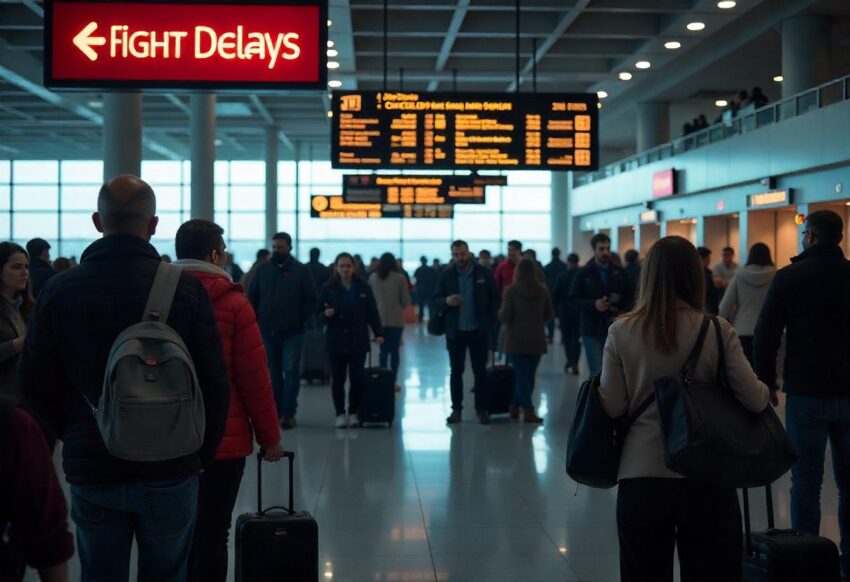
Image generated with Ai
Vietnam’s travel infrastructure has become a nightmare maze after Typhoon Wipha raced through the region dousing it with heavy rain, pelting winds and flooding streets and arteries choking traffic between cities and the countryside. With more than 100 departures at airports throughout Vietnam, such as Hanoi, Ho Chi Minh City, Da Nang, and Phu Quoc, the storm devastated company operations and those of other Vietnamese airlines like VietJet Air. With the country reeling from the most disruptive weather system of the season, authorities have issued emergency warnings of floods and landslides, prompting emergency measures and grounding many air routes.
Typhoon Wipha has unleashed a travel and weather emergency across northern and central Vietnam today, bringing torrential rain, damaging winds, and major flight disruptions across key international and domestic airports. The powerful storm has triggered over 100 flight delays and cancellations, stranding passengers and disrupting operations for VietJet Air, Vietnam Airlines, and several other major international carriers. With rainfall totals exceeding 200mm in some areas, authorities have issued urgent warnings for flash floods, landslides, and dangerous sea conditions, especially across coastal and mountainous regions.
Advertisement
Advertisement
As the storm batters provinces from Quang Ninh to Thanh Hoa, transport systems and airports across Hanoi (Noi Bai), Ho Chi Minh City (Tan Son Nhat), Da Nang, and Phu Quoc are experiencing significant setbacks. Maritime agencies and hydrometeorological experts have declared vast swaths of territory unsafe for travel, leading to ripple effects across Vietnam’s tourism and aviation sectors just as summer travel peaks.
Typhoon Wipha’s Current Position and Trajectory
At 7:00 a.m. on July 22, Typhoon Wipha was located:
Advertisement
Advertisement
- 202 kilometers south-southwest of Quang Ninh
- 67 kilometers southeast of Hai Phong
- 25 kilometers east of Hung Yen
- 45 kilometers northeast of Ninh Binh
At its center, the storm packed sustained level 9 winds, ranging from 75 to 88 kilometers per hour, with gusts peaking at level 11. Wipha is continuing to move west-southwest at around 15 kilometers per hour and is forecast to weaken into a low-pressure system over upper Laos by the morning of July 23. Despite this weakening trend, its present impact across Vietnam remains severe.
Coastal Areas and Islands Face Ferocious Conditions
Several maritime zones and island districts are being battered by high winds and storm surges. Areas including Bach Long Vy, Co To, Van Don, Cat Hai, and Hon Dau Island are reporting winds as high as level 10, with wave heights ranging from two to four meters. Sea conditions have been declared extremely rough, and all vessels have been urged to remain docked. Coastal infrastructure and transportation remain at high risk, with roads leading to island ferries already flooded or blocked by debris.
Advertisement
Advertisement
Hydrometeorological experts have warned that coastal and maritime conditions remain hazardous for all transportation and industrial activities. Ports and offshore energy facilities are also under monitoring.
Torrential Rainfall and Widespread Flood Warnings
The National Centre for Hydrometeorological Forecasting reports intense, sustained rainfall across northern and north-central provinces. Rainfall has already exceeded 200 millimeters in several areas. Forecasts indicate up to 150 millimeters could fall within just a three-hour window in some parts, significantly raising the risk of urban and flash flooding.
From Quang Ninh to Thanh Hoa, and extending into parts of Ha Tinh province, rainfall is expected to persist. These regions are particularly vulnerable to landslides due to steep terrain and already saturated soil. Mountainous areas are being closely monitored as the potential for rapid landslide events increases with every additional hour of rainfall.
Vietnam’s Airports Crippled by Over 100 Delays and Cancellations
Vietnam’s four busiest airports are facing major disruption today due to the storm’s impact on both local weather and airline scheduling. The grand total of flight interruptions reported today across the country includes:
- Total flight delays: 113
- Total flight cancellations: 2
Noi Bai International Airport (Hanoi)
Noi Bai reported 39 delayed flights and two cancellations today. VietJet Air faced seven delays, while Vietnam Airlines experienced 10 delays. International carriers were also affected, with:
- China Eastern cancelling two flights
- Air China delaying four out of six scheduled departures
- Japan Airlines and Malaysia Airlines each reporting full disruption of their small number of flights
The effect of these delays rippled outward to connecting flights and inbound routes across the Asia-Pacific region.
Advertisement
Advertisement
Tan Son Nhat International Airport (Ho Chi Minh City)
Though not in the direct path of the storm, Tan Son Nhat still recorded 49 delays. Most of these were caused by upstream ripple effects or storm-related safety concerns. Key impacts include:
- Vietnam Airlines with 22 delays
- VietJet Air with 13 delays
- AirAsia with a 33% delay rate
- China Southern Airlines with a 28% delay rate
While no cancellations were recorded at this airport, ground operations faced difficulties adjusting to new scheduling pressures and aircraft availability.
Da Nang International Airport
Da Nang saw 21 delays today with no flight cancellations. The delays were more balanced across carriers:
- Vietnam Airlines had 9 delayed flights
- VietJet Air reported 7 delays
- Bamboo Airways experienced 2 delays
- Pacific Airlines and AirAsia had scattered interruptions
Despite being further from the storm’s center, weather conditions in Da Nang are cloudy and unstable due to Wipha’s wider influence.
Phu Quoc International Airport
Phu Quoc, known for its pristine beaches and island tourism, reported four delayed flights with no cancellations. Most notably:
- AirAsia delayed 2 out of 4 scheduled flights
- Vietnam Airlines had 1 delay
- Pacific Airlines reported 1 delay
Although Phu Quoc was not directly affected by the core of the storm, residual delays were triggered by aircraft being repositioned or held at other major hubs.
Advertisement
Advertisement
Flight Disruptions by Airport
| Airport | Delays | Cancellations |
|---|---|---|
| Noi Bai (Hanoi) | 39 | 2 |
| Tan Son Nhat (Ho Chi Minh City) | 49 | 0 |
| Da Nang | 21 | 0 |
| Phu Quoc | 4 | 0 |
| Total | 113 | 2 |
VietJet Air Among the Most Impacted Carriers
VietJet Air, one of the nation’s leading low-cost carriers, experienced extensive disruption across all major airports. The airline reported a total of 27 delays and no cancellations, broken down as follows:
- Noi Bai: 7 delays
- Tan Son Nhat: 13 delays
- Da Nang: 7 delays
- Phu Quoc: 0 delays
This has affected thousands of domestic passengers and caused significant overcrowding at check-in areas and boarding gates.
Vietnam Airlines Also Faces Major Operational Setbacks
The national carrier Vietnam Airlines is also heavily impacted today, with a total of 42 delayed flights across four major airports:
- Noi Bai: 10 delays
- Tan Son Nhat: 22 delays
- Da Nang: 9 delays
- Phu Quoc: 1 delay
Despite avoiding outright cancellations, the volume and duration of delays have disrupted international departures and connections to Europe, East Asia, and Australia.
Travel Warnings and Infrastructure Threats
Government agencies have issued high-level warnings for both inland and coastal travel. Key threats include:
- Uprooted trees
- Downed power poles
- Damaged rural roads
- Flooded highways
- Toppled billboards and communication towers
Local police forces are coordinating with disaster response teams to close vulnerable roads and monitor bridges at risk of collapse due to rising waters. In addition, many areas have already reported isolated power outages due to wind-related damage to electrical grids.
Advertisement
Advertisement
Impact on Tourism and Local Economy
The typhoon has arrived at the peak of Vietnam’s summer travel season, affecting both international arrivals and domestic tourists. Key tourism destinations like Halong Bay, Ninh Binh, and Sapa are seeing cancellations or delayed tours.
- Tour operators have suspended cruise services in Halong Bay
- Inland resorts have reported reservation changes
- Restaurants, taxis, and tour guides are facing business losses
- Flights to secondary cities, often preferred by budget tourists, are most heavily disrupted
The tourism sector, which contributes significantly to the country’s GDP, is expected to take a temporary hit in both revenue and traveler satisfaction.
Emergency Measures and Evacuation Plans
The Vietnamese government has activated national disaster protocols, including:
- Evacuation of vulnerable areas in Hai Phong and Thanh Hoa
- Deployment of search-and-rescue teams to flood zones
- Suspension of school and public transportation services in affected provinces
- Closure of ports and coastal ferries
Local authorities have also opened temporary shelters for displaced residents and tourists unable to return home due to transport disruption.
International Airlines and Regional Spillover
With Vietnam being a hub for many Asia-Pacific flights, the disruptions are impacting a range of international carriers. Airlines such as Japan Airlines, China Eastern, Air China, Malaysia Airlines, and Etihad Airways have all experienced delays or rerouting issues. Travelers connecting through Vietnam to destinations like Thailand, Singapore, Australia, and South Korea are facing missed connections and rescheduled itineraries.
Outlook: What Happens Next?
Typhoon Wipha is expected to weaken significantly by July 23 as it moves west into upper Laos. However, rainfall will continue across Vietnam into the next day, particularly in highland and midland areas.
Advertisement
Advertisement
Flood risks remain high, especially where rivers are rising quickly or drainage systems are blocked. Cleanup efforts will be complex, particularly in rural provinces with limited access and in mountain areas with landslide damage.
Advisory for Travelers
Travelers in Vietnam today are advised to:
- Monitor airline websites and apps for real-time updates
- Postpone non-essential travel to affected provinces
- Check hotel rebooking policies
- Keep emergency supplies handy if traveling by road
- Avoid coastal or mountain travel until storm warnings are lifted
International tourists planning arrivals in Hanoi or Da Nang should expect continued delays, limited ground transportation, and weather-related rescheduling.
Typhoon Wipha brings severe flooding, dangers to Vietnam today Controlled from Vietnam over 100 delayed flights and domestic airline huge loss from flood and danger. Cheap carriers such as VietJet Air and others have been hit hard as the airports are unable to function in the face of the storm’s strong winds and driving rains.
Typhoon Wipha has severely impacted Vietnam’s travel and transportation networks today, unleashing torrential rain, widespread flooding, and disrupting over 100 flights. VietJet Air and Vietnam Airlines have seen significant delays, while airports across Hanoi, Ho Chi Minh City, Da Nang, and Phu Quoc struggled to maintain operations. With coastal areas under flood watch and mountain regions bracing for landslides, the storm has placed enormous strain on emergency services, airlines, and the nation’s tourism economy. Though the worst may pass by tomorrow, the effects of Typhoon Wipha will likely ripple through Vietnam for days to come.
Advertisement
