
Kyoto Travellers Could Pay More as the City is Planning Major Bus Fare Changes to Offer Locals Better Value

Published
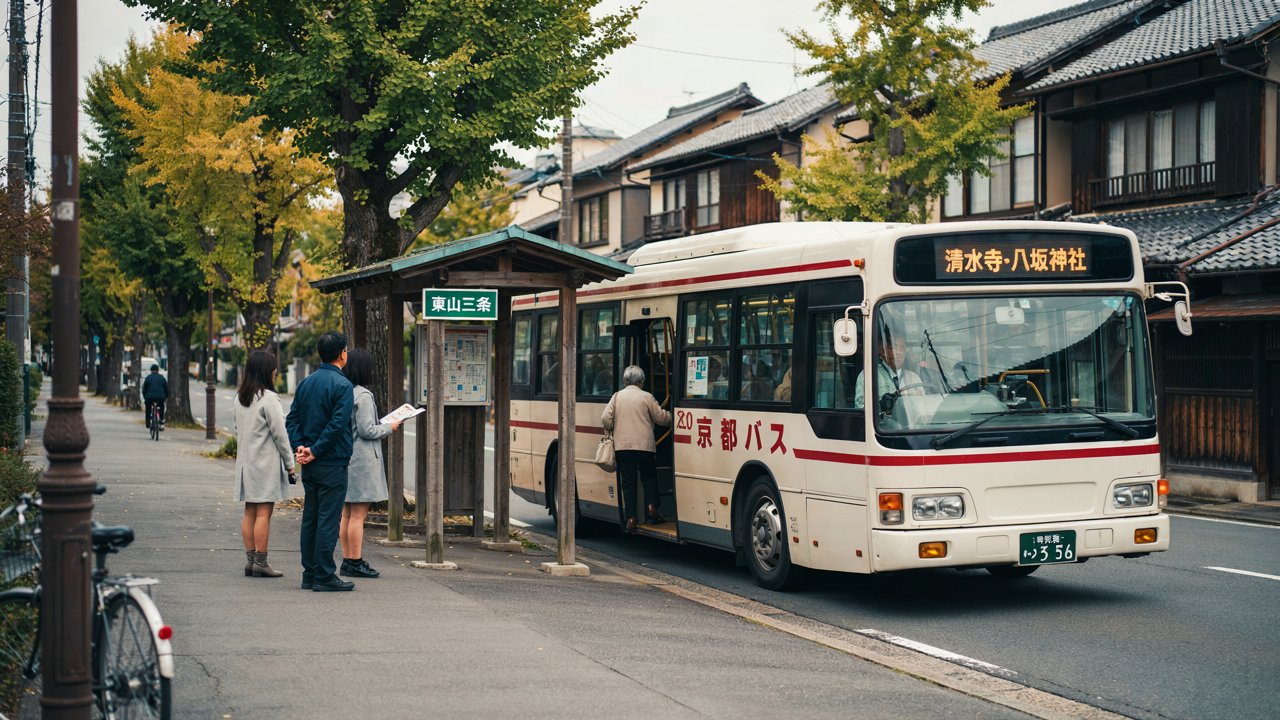
Image generated with Ai
Kyoto, Japan, is preparing a Bus Fare reform that would raise ordinary adult charges for non-residents while discounting journeys for registered residents. The official outline, dated 3 June 2026, proposes approximately ¥350–¥400 for flat-fare journeys, compared with today’s ¥230, and ¥200 for eligible residents. Implementation is targeted during Japan’s 2027 financial year, subject to approval and preparations. The proposal affects Japanese visitors and overseas tourists alike because eligibility depends on residence. Travellers face no immediate increase under this proposal and should use current published charges until implementation is confirmed.
What the Evidence Establishes About Major Bus Fare Changes
The central development concerns planned local transport pricing. It does not establish a nationwide transport increase or a new immigration requirement. The table below separates the main subjects according to their relevance to this report. Its percentages represent an editorial assessment of story emphasis, not government statistics, spending allocations or measured tourism effects. Current castle admission information appears only as supporting sightseeing context. It requires separate evidence from the transport proposal.
Advertisement
Advertisement
| News Component | Share of Story | Officially Verified Finding | Relevance to Travellers | Official Source |
|---|---|---|---|---|
| Transport pricing | 45% | Ordinary adult flat-fare charges would rise under the proposal | Potential increase in local journey costs | Municipal transport proposal |
| Resident access | 25% | Discount eligibility depends on registered residence | Nationality alone does not determine the category | Municipal eligibility guidance |
| Technical preparation | 20% | The 2026 budget proposal includes support for private bus participation | Implementation requires equipment and identification systems | Municipal budget proposal |
| Heritage admission | 10% | Existing castle and palace charges are separately published | Visitors must budget for the correct ticket | Official municipal attraction guidance |
| Total | 100% | Editorial allocation only | Not an official statistical breakdown | — |
The evidence establishes a proposed pricing framework and preparations for delivery. It does not demonstrate that higher charges have already changed bookings, visitor spending or transport choices. The scope is local, even though international visitors would encounter it. Reading the proposal as a completed policy would obscure the most important practical distinction: passengers need an approved amount and operating date before changing their actual transport allowances.
Crowding and Operating Costs Explain the Proposed Reform
The published explanation identifies crowding on certain bus sections and during particular periods. It acknowledges that some waiting passengers cannot board. Rising staffing costs, inflation and expenditure associated with managing overtourism also support the stated case for reform. The objective is to balance everyday access with visitor demand. Those circumstances explain why pricing has entered the discussion, but they do not prove that the proposed system will reduce queues or improve punctuality. Such results require evidence after implementation.
Advertisement
Advertisement
The documented sequence places existing operating guidance before the new proposal. Guidance dated December 2024 describes flat-fare services and routes where charges vary by the section travelled. The June 2026 outline then sets out the planned resident-priority arrangement. For visitors, Major Bus Fare Changes would therefore alter the cost of certain ordinary journeys rather than replace the entire transport network. A railway ticket, distance-based journey or separate operator’s service cannot automatically be assigned the proposed flat-fare amount. Route identification remains essential when comparing travel costs.
The Proposed Figures Show a Significant Budget Difference
Moving from ¥230 to ¥350–¥400 would add ¥120–¥170 per ordinary adult journey. Calculated against the existing amount, the increase would be approximately 52.2%–73.9%. Four separately paid journeys would cost ¥1,400–¥1,600 instead of ¥920, adding ¥480–¥680. For two adults making those journeys, the additional total would be ¥960–¥1,360. These are calculations using the published proposal, not official forecasts of daily visitor expenditure. They exclude passes, concessions and routes with different pricing.
Advertisement
Advertisement
The proposed resident price represents a different comparison. Against today’s ordinary adult charge, ¥200 would be ¥30 lower, a reduction of approximately 13%. This illustrates the gap between resident and non-resident treatment without predicting how either group will travel. The Bus Fare comparison becomes useful when applied to a specific itinerary. It becomes misleading if presented as the unavoidable cost of a Kyoto holiday. Travellers using valid passes may have a different total, while future ticket arrangements still require confirmation.
Major Bus Fare Changes Require Reliable Registration and Equipment
The planned discount would use automatic identification linked to an eligible payment method. Cash and coupon-ticket payments would not qualify. Alternatives for residents without the preferred identification remain under consideration. The proposal also intends to retain existing commuter-pass prices and considers relief for other frequent users. These provisions recognise that some non-residents depend on Kyoto’s buses for regular journeys. They should not be described as final passenger instructions while detailed arrangements remain unresolved.
Advertisement
Advertisement
Technical preparation extends beyond municipal buses. The 2026 budget proposal lists ¥261 million for support associated with private bus operators’ participation. It describes identification systems and fare-equipment modifications over the 2026 and 2027 financial years. That is evidence of planned implementation work, not confirmation of identical charges across all operators. For travel businesses, the analytical implication is straightforward: customer advice needs route-specific information. The available evidence does not establish changed hotel demand, airline operations or regional tourism competitiveness. International comparisons would add little without matching rules and measurements.
Practical Checks Keep Transport and Castle Costs Separate
Nijō Castle’s published adult charges remain ¥800 for admission or ¥1,300 including Ninomaru Palace. Honmaru Palace viewing costs ¥1,000, with admission separate, and requires advance reservation. The exhibition and collection gallery costs another ¥100, also excluding admission. The reviewed official material did not establish a new resident-versus-visitor castle pricing schedule. These existing categories give travellers a sound budgeting reference. They do not confirm that the transport proposal and attraction charges form one approved package.
Current bus instructions also remain relevant. Ordinary services generally use rear-door boarding, front-door exit and payment when leaving, although exceptions exist. Distance-based services require the correct boarding record. Preparing payment and charging prepaid cards beforehand can help avoid delays. The points below concern actual journey planning rather than unsupported advice to cancel or change a holiday. Travellers should monitor future announcements while continuing to use current operating information.
- Identify whether each route uses flat-fare or distance-based pricing.
- Check current ticket prices and coverage before purchasing a pass.
- Prepare payment before boarding and follow the service’s instructions.
- Budget separately for castle admission and palace viewing.
- Reserve Honmaru Palace before visiting.
- Confirm the implementation date before applying proposed transport prices.
What Comes Next for Major Bus Fare Changes
The announced next steps include detailed discussions, a proposed fare-ordinance amendment and a national application to change the upper fare limit. The target falls within April 2027–March 2028, rather than a confirmed launch day. Final information will need to clarify the approved price, registration procedures and treatment of other tickets. These are the developments that will turn the proposal into a practical passenger arrangement. Until then, the direction is clearer than the operating detail.
Kyoto’s proposed reform would create different ordinary journey costs for residents and visitors, while requiring approval and practical preparation. The published figures help travellers assess potential spending, but they do not establish an immediate increase or a universal holiday cost. Bus Fare planning should therefore use current charges until implementation is confirmed. Future ticket arrangements, registration procedures and the final operating date remain important. Existing castle prices require separate attention. For tourism services, accurate passenger information will matter more than assumptions about demand. Travellers should follow official updates as the proposal moves towards decisions that determine its practical local reach.
Advertisement
