

Nepal Tourism Signals Bold Power Shift as Private Sector Unites to Challenge Tourism Board and Reshape Governance

Published
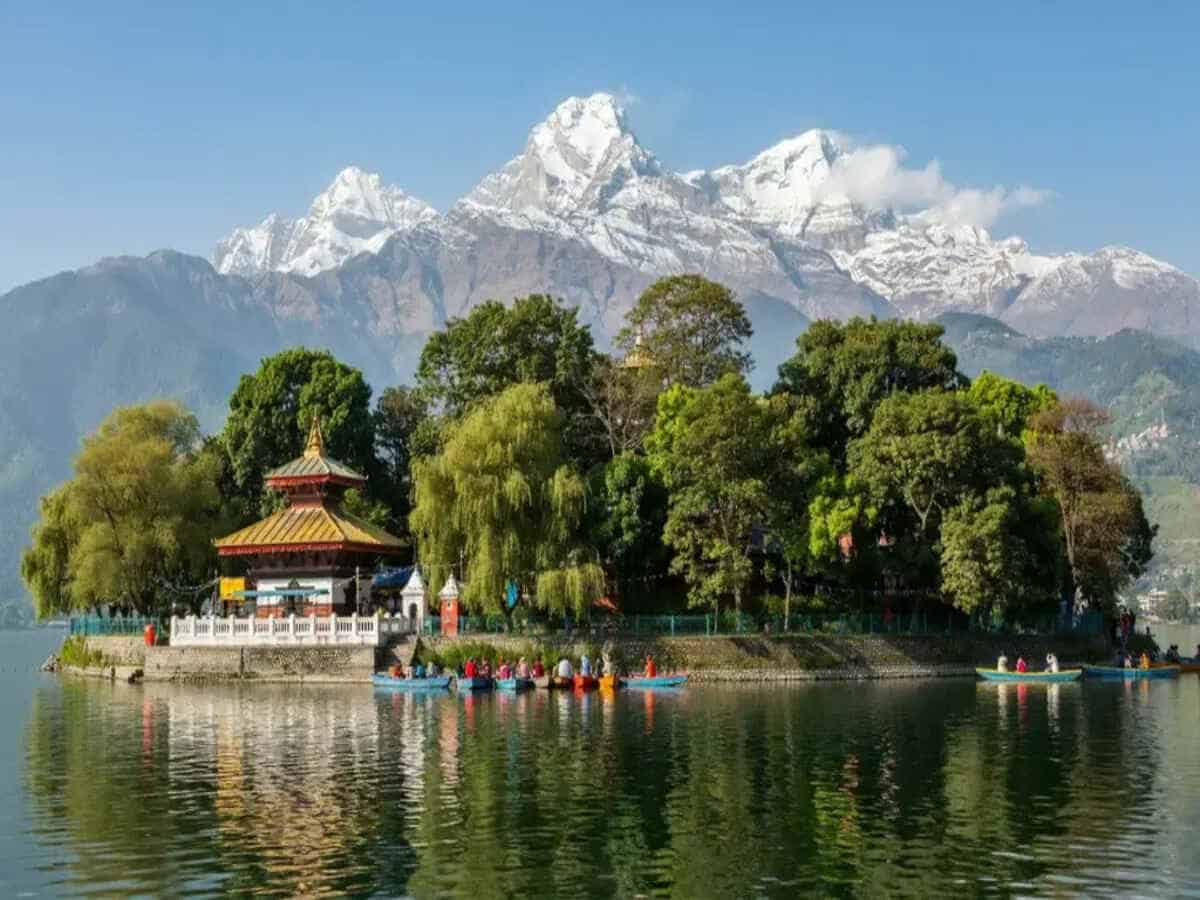
Nepal’s tourism groups unite to challenge the Tourism Board over weak promotion and governance, demanding major reforms.
Nepal’s private sector tourism associations are coming together to form the Nepal Tourism Federation in what could be a significant step in rethinking the country’s domestic tourism industry. The move comes after a number of complaints about the Nepal Tourism Board’s performance, tourism promotion, disaster response and government policies. In an attempt to bolster Nepal’s international tourism image, as well as to improve the country’s tourism-related competitiveness, businesses across the private sector are beginning to band together.
Advertisement
Advertisement
Nepal Tourism Industry Takes a Bold Step Towards Greater Private-Sector Influence
Nepal’s private tourism industry is moving towards a significant institutional change following a meeting of major tourism organisations in Kathmandu on 4 October 2026. The associations agreed to pursue the establishment of the Nepal Tourism Federation, a proposed national umbrella body intended to strengthen coordination and represent shared industry interests.
The initiative reflects growing demands for a stronger private-sector voice in tourism development. Participating organisations want closer cooperation on policies, destination marketing, investment and operational challenges. Rather than depending entirely on existing institutions, the federation would provide a platform for discussing industry priorities directly with government authorities. Its formation remains a proposal, with formal arrangements still to be developed.
Advertisement
Advertisement
Leading Tourism Associations Forge a Powerful Alliance for Industry Reform
The proposed federation brings together influential organisations representing accommodation, trekking, mountaineering, rafting, aviation and international tourism promotion. Participants include the Hotel Association Nepal, Trekking Agencies Association of Nepal, Nepal Mountaineering Association, Expedition Operators Association, Nepal Association of Rafting Agencies, PATA Nepal Chapter and Airlines Operators Association of Nepal.
The initiative follows the guiding principle “One Team, One Vision, One Voice”, emphasizing cooperation across different tourism sectors. The proposed organisation aims to develop common positions on issues affecting businesses nationwide. Existing associations would continue representing their specialist sectors, while the federation would coordinate broader concerns, strengthen industry advocacy and support discussions with government institutions.
Advertisement
Advertisement
Nepal Tourism Board Faces Growing Demands for a Major Institutional Overhaul
The Nepal Tourism Board has become a central focus of the industry’s proposed reforms. Established in 1998 through legislation, the board operates as a public-private partnership responsible for developing and marketing Nepal as an international tourism destination.
However, private-sector representatives have raised concerns about its working methods, spending priorities and effectiveness in supporting tourism growth. They argue that greater attention should be given to measurable promotional results rather than administrative activities.
The board’s official governance structure already provides for five private-sector representatives alongside five government representatives and a chief executive officer. The current dispute therefore concerns the effectiveness of industry participation and institutional accountability, rather than the complete absence of private-sector representation.
International Tourism Marketing Faces Calls for a Sweeping Strategic Reset
Improving Nepal’s global destination marketing strategy is another major priority behind the federation initiative. Tourism businesses want promotional spending to deliver clearer commercial benefits through visitor growth, market diversification and stronger international visibility.
Industry representatives are calling for greater use of digital technology, artificial intelligence, tourism research and market intelligence. These tools could help identify changing travel preferences and improve campaigns aimed at international visitors.
Nepal Tourism Board has already identified digital transformation and artificial intelligence as important development priorities, including during national tourism discussions in September 2026. The private sector’s challenge is to translate these priorities into effective programmes that support travel businesses and emerging destinations.
Advertisement
Advertisement
Tourism Leadership and Governance Face a Defining Test of Accountability
The private sector is also seeking greater transparency and professional independence in tourism leadership. Industry representatives have expressed concern about political influence over senior appointments and the management of tourism institutions.
Particular attention has focused on the selection of the Nepal Tourism Board’s chief executive officer. Tourism businesses want the appointment process to prioritise international market knowledge, industry experience and a credible development strategy.
The wider demand is for leadership capable of improving accountability, strengthening business cooperation and producing measurable results. Greater transparency in appointments, budget decisions and programme evaluation could help rebuild confidence between private operators and public institutions while supporting more consistent long-term tourism planning.
Nepal’s Emerging Destinations Could Benefit from Stronger Tourism Investment
The proposed federation is seeking wider investment in destinations beyond Nepal’s established tourism centres. The country offers Himalayan trekking, mountaineering, wildlife experiences, cultural heritage and adventure activities, but stronger infrastructure and targeted promotion could help spread visitor demand.
Better destination planning could create opportunities for accommodation providers, guides, transport businesses and communities in less-visited regions.
Nepal Tourism Board’s Sustainable Tourism Project already includes work on trekking infrastructure, digital marketing and local enterprise development. The initiative covers routes in areas including Manaslu, Kanchenjunga and the Api-Saipal region.
Advertisement
Advertisement
Industry representatives want such development efforts to become more coordinated, commercially effective and accessible to local tourism businesses.
Floods and Landslides Intensify Pressure for Stronger Tourism Emergency Systems
Recent natural disasters have added urgency to demands for improved tourism safety and emergency management. Private operators have criticized what they consider delays in assistance following floods and landslides affecting travellers, tourism workers and local communities.
The Nepal Tourism Board reported operating dedicated help desks in September 2026, working with tourist police, government agencies and industry organisations to assist affected people.
Nevertheless, tourism representatives are seeking stronger rescue coordination, faster emergency assistance and improved support for victims’ families.
These demands are particularly important in mountainous regions, where difficult terrain and disrupted roads can complicate rescue operations. Effective emergency systems are essential for protecting visitors and supporting destination confidence.
TIMS Trekking Funds Become a Major Focus of Rescue and Relief Demands
The Trekkers’ Information Management System, widely known as TIMS, has become another important issue in the reform debate.
Advertisement
Advertisement
The system helps maintain information about trekkers and supports safety management on designated trekking routes. Official trekking association guidance identifies worker welfare, rescue operations, tourism promotion and trail development among the purposes supported by TIMS revenue.
Private-sector representatives are demanding that available funds be released and used more effectively for rescue operations and disaster relief. The precise amount available for distribution has not been independently established.
Participating organisations have also expressed support for longer-term assistance to families affected by disasters, including educational support for children. Greater transparency over fund allocation could strengthen confidence in the system.
Nepal Airlines Faces Renewed Pressure for Commercial Restructuring
The proposed federation is also drawing attention to Nepal Airlines, whose financial and operational challenges remain a concern for tourism businesses.
Industry representatives argue that a commercially stronger national carrier could help improve international connectivity and support Nepal’s appeal to overseas visitors.
They favour examining a public-private partnership model that would place greater emphasis on professional management, operational efficiency and reduced political interference.
Advertisement
Advertisement
Nepal Airlines publishes financial statements through its official website, although a new restructuring agreement has not been established as part of this federation proposal.
Any substantial change would require government decisions, financial evaluation and a clear operational strategy. Reliable aviation connectivity remains important for tourism businesses seeking to attract international visitors.
New Tourism Act Could Unlock a More Competitive and Sustainable Industry
Legislative reform is another central demand. Tourism associations want a modern Tourism Act that supports investment, clearer regulation and sustainable industry development.
Nepal’s Ministry of Culture, Tourism and Civil Aviation maintains the country’s existing tourism legislation and has published materials relating to tourism policy and proposed institutional amendments.
The private sector wants future legislation to create a more predictable environment for accommodation investment, adventure tourism, transport services and destination infrastructure.
An updated framework could also address tourism safety, environmental protection and business coordination. However, the federation’s demands should not be confused with enacted legal changes. New legislation would still require the relevant government and legislative processes.
Advertisement
Advertisement
Nepal Tourism Enters a New Chapter as Industry Seeks Lasting Structural Change
The proposed Nepal Tourism Federation marks an important effort to strengthen private-sector participation in the country’s tourism development.
Its priorities extend beyond challenging the Nepal Tourism Board. They include improving destination marketing, strengthening leadership accountability, modernising tourism legislation, supporting disaster recovery and exploring changes to Nepal Airlines.
The initiative could help businesses present a more coordinated position when engaging with government institutions. However, its success will depend on formal establishment, effective leadership and practical cooperation between public and private stakeholders.
Nepal’s tourism industry signals a bold power shift as leading private-sector associations unite to form a new federation, challenging the Nepal Tourism Board over weak destination promotion, governance concerns and limited industry influence while demanding greater accountability and sweeping reforms.
For Nepal’s tourism economy, the central challenge is turning industry demands into measurable improvements that benefit travellers, businesses and local communities while protecting the country’s natural and cultural attractions.
Advertisement
