
Italy Joins Spain and More as Slow Tourism and Simpler Itineraries Rise Across Europe in 2027

Published
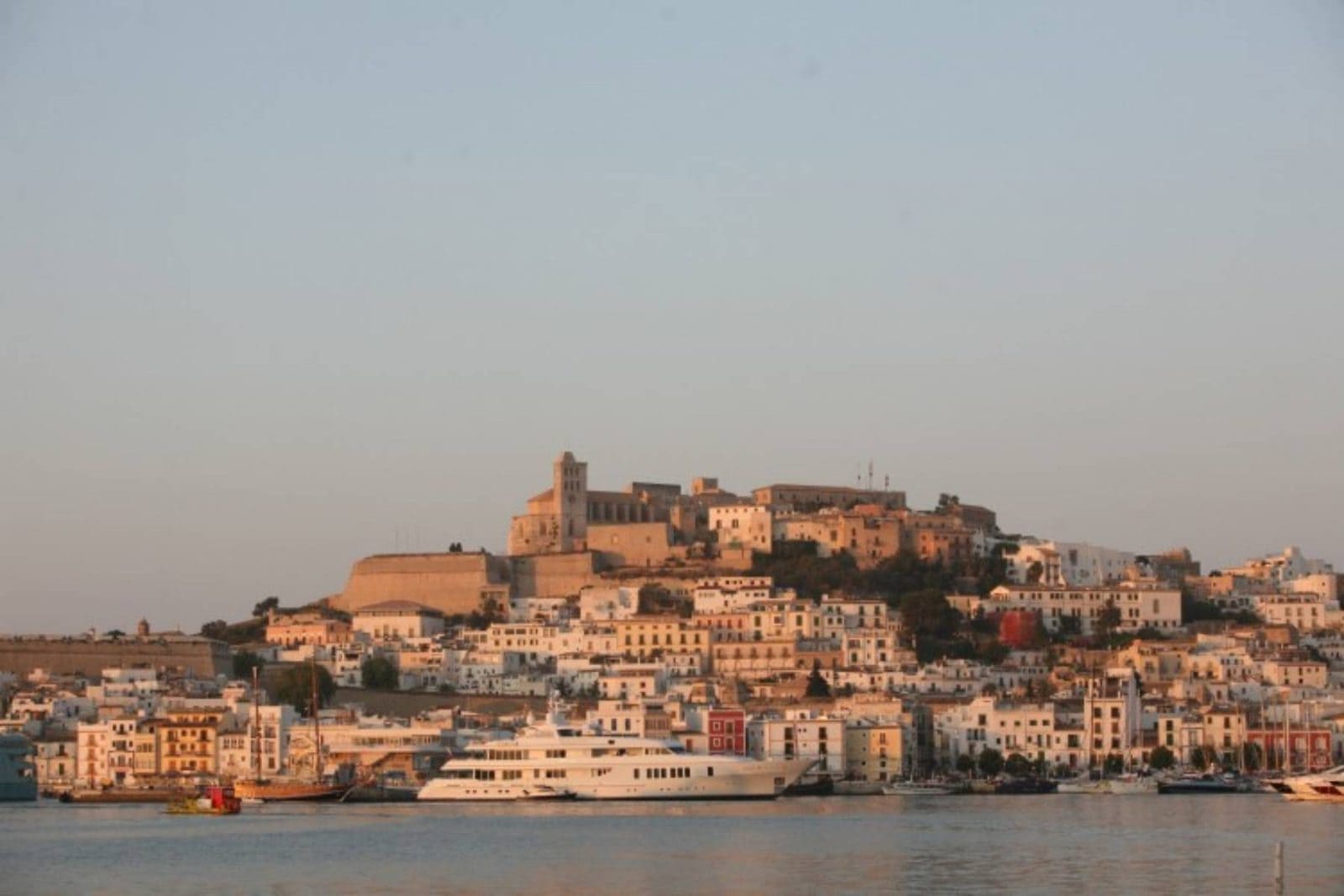
Italy joins Spain, Germany and France as travellers embrace slower holidays, longer stays and simpler trips in 2027, reflecting a wider change in how European holidays may be planned. Travellers are expected to place greater value on time, cultural depth, flexible itineraries, rail connections, wellness and meaningful local experiences rather than racing between multiple destinations. The shift does not mean Europeans will stop taking ambitious holidays. Instead, the emerging 2027 travel trends point towards spending more time within individual regions and allowing journeys themselves to become part of the experience. For global tourism, this could redirect demand towards longer, deeper and more geographically dispersed European stays.
- Slow travel is becoming a stronger European tourism theme.
- Longer stays could replace highly compressed multi-city itineraries.
- Rail networks make simpler European journeys increasingly practical.
- Culture, food, nature and local experiences fit the emerging pattern.
- Italy, Spain, Germany and France are well positioned for this travel model.
| 2027 travel theme | Expected traveller behaviour |
|---|---|
| Slow travel | Fewer destinations and more time in each place |
| Longer stays | Deeper exploration of cities and regions |
| Simple itineraries | Less pressure to maximise every day |
| Rail tourism | More journey-based European holidays |
| Cultural depth | Greater interest in history, food and communities |
2027 Travel Trends Put Time, Depth and Simplicity at the Centre of European Holidays
The emerging 2027 travel trends suggest that holiday planning may become less focused on packing the greatest possible number of attractions into limited time. Travellers could increasingly select one country, region or rail corridor and explore it at a more comfortable pace. This fits with wider European tourism policy encouraging off-season travel, less crowded destinations and greener transport. The European Commission advises travellers to consider trains and buses, support local businesses and explore lesser-known places outside peak periods. Its tourism guidance also identifies citizen science and nature protection as ways travellers can engage more closely with destinations.
Advertisement
Advertisement
- Fewer stops can provide more time for local exploration.
- Off-season travel can distribute tourism demand more evenly.
- Rail and public transport can complement slower itineraries.
- Local businesses may benefit from longer visitor engagement.
- Nature-based participation could deepen destination connections.
| Traditional holiday pattern | Emerging 2027 pattern |
|---|---|
| Numerous stops | Fewer bases |
| Packed sightseeing | Flexible exploration |
| Peak-season concentration | Greater off-season interest |
| Attraction checklist | Cultural and local immersion |
| Fast transfers | Journey-focused transport |
Italy Is Well Positioned as Longer Stays Gain Greater Importance
Italy provides particularly relevant evidence for the longer-stay discussion. ISTAT recorded almost 47 million arrivals and nearly 148 million overnight stays during the second quarter of 2026. Arrivals were slightly lower than a year earlier, falling 0.8%, yet overnight stays increased 3.9%. Foreign visitors generated 61.6% of total overnight stays, while international tourist nights increased 4.6%. The difference between arrivals and overnight growth is important for the slow-travel discussion because it indicates stronger accommodation demand without equivalent arrival growth. Italy’s combination of regional cities, rural landscapes, coastlines, food tourism and extensive rail connections creates favourable conditions for travellers wishing to explore fewer destinations more thoroughly.
- Italy recorded nearly 148 million overnight stays in Q2 2026.
- Overnight stays rose 3.9% year on year.
- Foreign travellers generated 61.6% of total nights.
- International visitor nights increased 4.6%.
- The figures support a strong longer-stay tourism environment.
| Italy tourism indicator | Q2 2026 |
|---|---|
| Tourist arrivals | Nearly 47 million |
| Overnight stays | Nearly 148 million |
| Change in arrivals | -0.8% |
| Change in overnight stays | +3.9% |
| Foreign share of nights | 61.6% |
Italy’s first-quarter performance strengthens the picture. Accommodation establishments registered 23 million arrivals and 71.6 million overnight stays during the first three months of 2026. Arrivals increased 4.2%, while overnight stays climbed a much stronger 7.5%. Foreign visitor nights increased 12.3% and represented 54.6% of all overnight stays. The figures do not prove that every visitor is deliberately adopting slow travel, but they demonstrate why longer-duration tourism deserves attention. Destinations capable of encouraging visitors to remain several nights can generate accommodation, restaurant, cultural attraction and regional transport demand without depending entirely on ever-higher arrival numbers.
Advertisement
Advertisement
- Italian tourism began 2026 with strong overnight growth.
- Visitor nights grew faster than arrivals.
- International demand was particularly strong.
- Longer visits can spread spending across tourism sectors.
- Regional tourism could benefit from slower itineraries.
| Italy Q1 indicator | 2026 result |
|---|---|
| Arrivals | 23 million |
| Overnight stays | 71.6 million |
| Arrival growth | +4.2% |
| Overnight growth | +7.5% |
| Foreign overnight growth | +12.3% |
Spain Combines Huge Visitor Demand With Signs of Longer Holidays
Spain enters the 2027 travel trends discussion from a position of extraordinary tourism scale. According to Spain’s National Statistics Institute, the country welcomed more than 58.1 million international tourists during January-July 2026, an increase of 4.6% from the corresponding 2025 period. July alone brought 11.5 million international visitors. Yet one of the most relevant details for slower tourism appears in length-of-stay figures. Trips lasting four to seven nights remained the largest category in July, while visitor numbers for stays exceeding 15 nights increased 12.8% year on year. That makes duration an increasingly important dimension of Spain’s tourism performance.
- Spain exceeded 58.1 million international visitors by July.
- International arrivals grew 4.6% during the seven-month period.
- Four-to-seven-night visits remained the largest duration group in July.
- Visits exceeding 15 nights rose 12.8%.
- Longer stays could support wider regional dispersal.
| Spain tourism indicator | Latest 2026 figure |
|---|---|
| Jan-Jul international tourists | More than 58.1 million |
| Jan-Jul annual growth | +4.6% |
| July international tourists | 11.5 million |
| July annual growth | +4.6% |
| Growth in stays above 15 nights | +12.8% |
Spending patterns also strengthen the commercial argument for deeper travel. International tourists spent €18.218 billion in Spain during July 2026, 10.9% more than a year earlier. Average expenditure reached €1,579 per tourist, while daily expenditure reached €218. Across January-July, international visitor spending reached €82.054 billion, up 7.8%. These figures matter because tourism strategies do not have to depend exclusively on increasing visitor volumes. Longer stays, higher-value experiences, regional gastronomy, cultural tourism and activity-based travel can increase economic value while giving tourists reasons to move beyond heavily visited landmarks and coastal hotspots.
Advertisement
Advertisement
- Spain continues to generate strong international tourism spending.
- July spending reached €18.218 billion.
- Spending increased faster than arrival numbers.
- Longer trips can expand spending beyond accommodation.
- Regional experiences can support greater tourism dispersion.
| Spain visitor spending | 2026 |
|---|---|
| July international spending | €18.218 billion |
| Annual July growth | +10.9% |
| Average spend per tourist | €1,579 |
| Average daily spend | €218 |
| Jan-Jul spending | €82.054 billion |
Germany Shows Why Domestic Trips and Rail Travel Fit the Slow Tourism Shift
Germany offers a different but equally important model. Destatis reported 282.1 million overnight stays between January and July 2026, the highest figure recorded for that seven-month period and 0.4% above the previous 2019 record. Domestic guests generated 235 million nights, while international visitors accounted for 47.1 million. The scale of domestic demand matters when considering the prediction that “near” destinations could become increasingly attractive. Travellers do not necessarily need long-haul flights to create meaningful holidays. Strong domestic tourism, interconnected cities and regional landscapes allow shorter journeys to support longer destination stays while reducing the logistical complexity associated with multi-country itineraries.
- Germany set a January-July overnight record in 2026.
- Accommodation recorded 282.1 million visitor nights.
- Domestic travellers generated 235 million nights.
- Nearby travel already represents a major tourism market.
- Regional tourism fits simpler and slower travel planning.
| Germany tourism indicator | Jan-Jul 2026 |
|---|---|
| Total overnight stays | 282.1 million |
| Change from 2025 | +0.9% |
| Change from 2019 record | +0.4% |
| Domestic overnight stays | 235.0 million |
| International overnight stays | 47.1 million |
Germany’s transport geography makes the country particularly suitable for rail-centred holidays. The German National Tourist Board states that more than 800 daily connections operate across an approximately 40,000-kilometre rail network connecting around 5,700 stations. Long-distance trains generally connect major cities hourly, while regional services extend access beyond the largest urban centres. This infrastructure gives travellers opportunities to combine cities, countryside, smaller communities and natural landscapes without designing every holiday around flights or car transfers. Slow travel therefore does not necessarily mean slow transportation. Efficient rail can reduce transfer friction while allowing travellers to spend more usable time within fewer destinations.
- Germany has an extensive nationwide rail network.
- Around 5,700 stations provide broad geographical reach.
- More than 800 daily connections support destination access.
- Rail can link major cities with regional attractions.
- Efficient transport can make simpler itineraries practical.
| German rail tourism feature | Scale |
|---|---|
| Rail network | Approx. 40,000 km |
| Connected stations | Around 5,700 |
| Daily connections | More than 800 |
| Major-city frequency | Generally hourly |
| Tourism opportunity | City-to-region itineraries |
France Gives Travellers Scope to Stay Longer and Explore More Deeply
France adds another powerful dimension to the European slow-travel picture. INSEE reported that overnight stays in collective tourist accommodation outside campsites increased 1% during the second quarter of 2026 compared with the corresponding quarter of 2025. Hotel nights increased 1.4%, while resident and non-resident accommodation demand each rose 1%. These figures show continued accommodation growth across a country whose tourism geography stretches far beyond Paris. Regional cities, Atlantic and Mediterranean coastlines, Alpine destinations, rural communities, food-producing areas and heritage routes allow visitors to build holidays around one region rather than rapidly moving between famous landmarks.
- French tourist accommodation continued growing in Q2 2026.
- Hotel overnight stays rose 1.4%.
- Domestic and foreign demand both increased.
- France offers extensive regional tourism choices.
- Longer regional itineraries can complement major-city tourism.
| France accommodation indicator | Q2 2026 annual change |
|---|---|
| Collective accommodation excluding campsites | +1.0% |
| Hotel overnight stays | +1.4% |
| Resident visitor nights | +1.0% |
| Non-resident visitor nights | +1.0% |
| Business tourism | +6.0% |
Domestic travel also provides substantial foundations for the “near is the new far” idea. INSEE’s figures published in 2026 show that French residents made 195.9 million trips within metropolitan France and France’s overseas territories during 2025, generating 847.5 million nights. By comparison, trips elsewhere in Europe accounted for 24.1 million journeys and 141.8 million nights. The scale demonstrates how nearby tourism already forms a central part of French travel behaviour. For 2027, accessible countryside, smaller cities, gastronomy, heritage, coastal areas and rail-linked regional destinations could fit travellers seeking simpler holidays without sacrificing cultural variety.
- Domestic tourism represents a huge part of French travel.
- French residents generated hundreds of millions of domestic nights.
- Nearby escapes do not require sacrificing destination variety.
- Regional food and heritage can support deeper itineraries.
- Shorter travel distances can make spontaneous trips easier.
| French resident travel, 2025 | Trips | Overnight stays |
|---|---|---|
| France and overseas territories | 195.9m | 847.5m |
| EU and EFTA Europe | 24.1m | 141.8m |
| Outside Europe | 11.5m | 113.3m |
| Total | 231.4m | 1.103bn |
Rail Could Turn Simpler European Holidays Into a Major 2027 Travel Opportunity
Rail travel connects many elements of the predicted shift towards simpler European holidays. In May 2026, the European Commission proposed measures intended to make cross-border journeys easier to search, compare and book, especially trips involving different rail companies. The proposed framework would allow travellers to combine services from multiple operators into a single booking while strengthening passenger protection across the journey. For countries such as Italy, Spain, Germany and France, easier rail booking could support multi-stop tourism without recreating the complexity associated with hyper-optimised itineraries. Travellers could build holidays around two or three meaningful bases instead of attempting to cover an entire continent in days.
- European rail booking could become more integrated.
- Cross-border journeys remain an important policy focus.
- Simplified ticketing could reduce travel-planning friction.
- Rail fits two- or three-base European holidays.
- Better connections can support regional tourism dispersal.
| Rail travel issue | Direction proposed in 2026 |
|---|---|
| Multiple operators | Easier combined booking |
| Separate tickets | More integrated journey options |
| Passenger protection | Coverage across complete journeys |
| Journey comparison | Easier identification of alternatives |
| Tourism impact | Simpler cross-border rail planning |
Wellness, Nature and Cultural Depth Could Replace the Traditional Holiday Checklist
The broader 2027 travel trends go beyond simply staying somewhere longer. The emerging model gives greater importance to how destinations feel and what travellers learn from them. Wellness could shift beyond treatment-led breaks towards quiet environments, outdoor activity, nature, movement and restorative schedules. Cultural travel could focus less on collecting famous attractions and more on architecture, local history, food traditions, workshops and community knowledge. Nature travel may become more participatory. European Commission sustainable tourism guidance already encourages responsible engagement with protected areas, local businesses, off-season destinations and citizen-science activities. These experiences naturally reward travellers who dedicate more time to individual places.
Advertisement
Advertisement
- Wellness can extend beyond spas and scheduled treatments.
- Cultural depth rewards longer stays.
- Local food and heritage can become primary travel motivations.
- Nature tourism can include active conservation participation.
- Less crowded destinations may gain greater visibility.
| Travel interest | Slow-travel application |
|---|---|
| Wellness | Rest, nature and low-pressure schedules |
| Culture | Local history and expert interpretation |
| Food | Regional producers and longer dining experiences |
| Nature | Walking, conservation and citizen science |
| Heritage | Deeper exploration instead of rapid sightseeing |
AI Travel Planning Could Increase Demand for Reliable Human and Official Information
Artificial intelligence is likely to remain important in travel research, but greater automation can also increase the need for verification. Travellers researching Italy, Spain, Germany or France may encounter automated itineraries, synthetic imagery, outdated transport information or recommendations without transparent sourcing. For complex holidays, the value of official destination information, transport operators, accommodation providers and first-hand expertise therefore remains significant. AI can help structure possibilities, but transport schedules, entry rules, attraction access and operational changes should still be checked against authoritative sources. This creates a 2027 travel environment in which technology and human expertise are more likely to complement each other than operate as direct substitutes.
- AI can accelerate destination research.
- Automated information still requires verification.
- Official transport information remains essential.
- First-hand local expertise can add contextual value.
- Technology works best when paired with authoritative sources.
| Planning requirement | Reliable approach |
|---|---|
| Inspiration | AI and destination research |
| Transport times | Official operators |
| Entry requirements | Government authorities |
| Attraction access | Official destination or venue websites |
| Local context | Qualified local expertise |
Travel and Tourism Impact Could Shift From Visitor Volume Towards Visitor Value
For the tourism industry, slower holidays could influence accommodation, attractions, restaurants, transport providers and destination management. Longer stays give travellers more opportunities to spend across different businesses while encouraging exploration beyond overcrowded landmarks. Spain’s 2026 figures demonstrate why visitor expenditure matters alongside arrival growth, while Italy’s accommodation statistics show nights increasing faster than arrivals during parts of the year. Germany demonstrates the scale of nearby domestic travel, and France shows the continuing importance of regional tourism. Together, these patterns suggest destinations could increasingly judge success using length of stay, geographical dispersal, seasonal balance and visitor expenditure rather than relying exclusively on record arrival numbers.
- Longer stays can spread expenditure across more businesses.
- Regional tourism can reduce dependence on landmark destinations.
- Off-season demand may improve tourism seasonality.
- Rail can distribute visitors between cities and regions.
- Tourism value can matter as much as headline arrival totals.
| Potential impact | Tourism benefit |
|---|---|
| Longer stays | More local expenditure opportunities |
| Fewer destinations per trip | Greater destination engagement |
| Regional travel | Wider geographical distribution |
| Off-season holidays | Better seasonal balance |
| Rail-based journeys | Stronger inter-regional connectivity |
Conclusion
Italy joins Spain, Germany and France as travellers embrace slower holidays, longer stays and simpler trips in 2027, signalling a potentially important change in European tourism behaviour. The emerging traveller appears less focused on racing through a checklist and more interested in meaningful time, cultural understanding, comfortable transport, local experiences and flexibility. Slow travel does not require abandoning famous destinations or modern technology. Instead, it reshapes how people use them. Italy, Spain, Germany and France have the regional diversity, cultural depth and transport networks needed to support this transition, making slower and more deliberate European holidays one of the most significant 2027 travel trends to watch.
Advertisement
