
Hubei Unveils Five Specialized Tourism Routes for International Visitors at Xiangyang Conference

Published
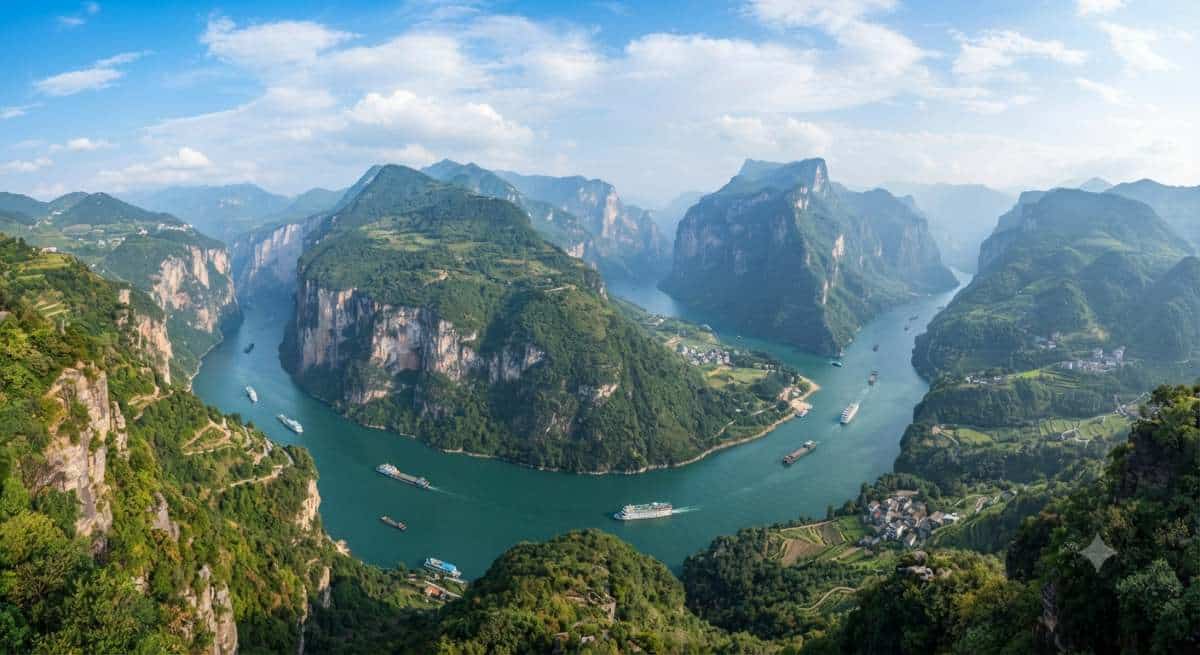
Central China’s Hubei Province has launched five tourism routes tailored for overseas visitors, aiming to turn its rich cultural and natural resources into market-ready inbound tourism products. This significant strategic initiative was officially unveiled at the 2026 Hubei Culture and Tourism Development Conference, which was held on Thursday in Xiangyang City. As global travel demand continues to evolve toward more specialized and immersive experiences, regional authorities have focused intently on bridging local assets with international expectations. By introducing these carefully curated pathways, the region seeks to capture a larger share of the global travel market, providing international guests with structured access to some of China’s most celebrated landmarks and historical treasures.
Background and Context
The historical background and contemporary context of this regional tourism push are deeply rooted in the area’s profound cultural heritage and diverse natural landscapes. In recent years, local governance and industry leaders have prioritized the integrated development of culture and tourism to maximize economic and social benefits. Statistical records indicate that the region received nearly 1 billion tourist visits in 2025, with overall tourism revenue exceeding 1 trillion yuan. Building upon this robust baseline, planners have sought to address the specific preferences of global travelers by moving beyond generalized sightseeing toward structured, thematic exploration in Hubei. The announcement event in Xiangyang City also featured dedicated business-matching activities between local tourism operators and international travel agencies, fostering direct communication channels to facilitate future tourism packaging and commercial partnerships.
Advertisement
Advertisement
Impact on Travellers
The newly introduced travel pathways and associated initiatives are expected to significantly enhance the overall journey for international visitors. Rather than navigating fragmented regional options, global travelers will benefit from itineraries designed to offer seamless movement and deeper engagement. The five designated routes comprise a Yangtze River journey featuring the Three Gorges and Three Kingdoms culture, an ecological tour covering Shennongjia, Wudang Mountain, and the Three Gorges, a cultural itinerary linking Zhengzhou, Xiangyang, and Suizhou, a revolutionary heritage tour of Hong’an and Honghu, and an urban tour of Wuhan and Hubei. Furthermore, these itineraries incorporate local cuisine, intangible cultural heritage activities, and emerging urban consumption experiences. Supplementing these routes, eight themed travel experiences have been introduced, covering world heritage, Yangtze River sightseeing, Jingchu culture, technological innovation, traditional Chinese medicine and wellness, contemporary lifestyles, festivals, and seasonal flower viewing, thereby ensuring a comprehensive and enriching travel experience.
Industry Insights
From an industry perspective, these developments represent a strategic evolution in how regional destinations market themselves to international trade partners. Tour operators and global travel agencies are continually seeking integrated, high-quality products that can be easily marketed to distinct consumer segments. By bundling natural wonders, historical narratives, and contemporary lifestyle elements into cohesive packages, local stakeholders are addressing the operational needs of overseas distributors in Hubei. A provincial culture and tourism official noted that the new offerings are expected to provide overseas tour operators with more integrated options and enhance the region’s appeal as an international cultural tourism destination. This structured approach helps streamline the booking and planning process for global travel enterprises, encouraging long-term collaboration and sustained visitor flows.
Advertisement
Advertisement
Practical Information
For international visitors and industry professionals looking to engage with these offerings, several structural details and administrative avenues have been established. The formal rollout was anchored by the 2026 Hubei Culture and Tourism Development Conference in Xiangyang City, where business-matching engagements took place. Media and trade inquiries regarding these tourism products are managed through official channels, with specific contact information provided by representatives such as contact person Mr. Liu, reachable via telephone at 86-10-63074558. Travel planners are advised to coordinate through authorized international travel agencies participating in the recent business-matching programs to secure bookings that incorporate the newly launched routes and themed travel experiences.
Comparison with Previous Policies or Developments
When compared against previous regional tourism policies and developments, this latest initiative marks a distinct shift toward international market customization and product commercialization. Historically, regional tourism growth relied heavily on domestic volume, achieving massive milestones such as nearly 1 billion tourist visits and over 1 trillion yuan in revenue during 2025 largely through domestic travel patterns. Previous promotional efforts often lacked the targeted, multi-thematic packaging specifically tailored for overseas inbound visitors. The current strategy moves away from generalized attraction marketing by systematically organizing assets into distinct thematic routes of Hubei and specialized categories—such as traditional Chinese medicine and wellness, technological innovation, and world heritage—thereby addressing the nuanced demands of modern international travelers more effectively than older, less differentiated frameworks.
Advertisement
Advertisement
Advertisement
