

Philippines Joins Thailand, Indonesia, Malaysia, Vietnam, Singapore and More Countries as Southeast Asia Becomes the Ultimate Travel Powerhouse for Space, Authenticity, Natural Wonders, Cultural Depth and Diverse Tropical Island Escapes

Updated
Published
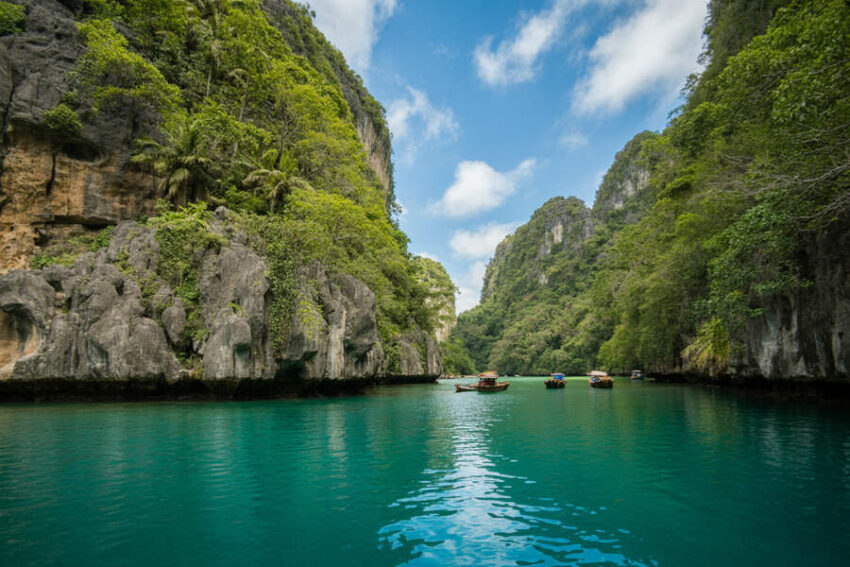 Image generated with Ai
Southeast Asia is becoming a stronger global travel powerhouse because the Philippines, Thailand, Indonesia, Malaysia, Vietnam, Singapore and other regional destinations are offering travellers the rare mix of open space, real culture, natural beauty and diverse island experiences that crowded hotspots can no longer fully provide. As modern tourists look for holidays that feel more personal, peaceful and meaningful, the region is standing out with its beaches, rainforests, heritage towns, food culture, city gateways, hidden islands and local communities. The Philippines is adding fresh strength to this shift with its 7,641 islands, while Thailand, Indonesia, Malaysia, Vietnam and Singapore continue to widen the region’s appeal through tropical escapes, cultural depth, strong connectivity and unforgettable travel choices.
Southeast Asia is entering a powerful new travel chapter as the Philippines joins Thailand, Indonesia, Malaysia, Vietnam, Singapore and more countries in offering travellers more space, deeper authenticity, rich culture, natural wonders and diverse island escapes far beyond the usual crowded holiday hotspots.
Across the region, travel is no longer only about famous beaches, luxury resorts or quick city breaks. A new kind of traveller is looking for room to breathe. They want clean coastlines, local food, heritage towns, island-hopping routes, slow villages, living culture and nature that still feels raw. This is where Southeast Asia is gaining fresh global attention. The region is becoming one of the world’s most complete travel zones because it offers tropical beauty, cultural variety, strong air access and many different experiences within a short regional distance.
The Philippines is now standing at the centre of this shift. With 7,641 islands, it gives travellers a rare chance to move beyond one single beach destination. It offers lively island energy, quiet retreats, diving sites, mountain landscapes, heritage towns, surf communities and local cultural experiences. It is not being positioned as a simple replacement for Bali or Phuket. It is being seen as a wider and more flexible evolution of the Southeast Asian island holiday.
Advertisement
Advertisement
The Philippines rises as a spacious tropical alternative
The Philippines brings together space, beauty and variety in a way that makes it highly attractive to modern travellers. Its archipelagic shape naturally spreads visitors across many islands. This helps create a feeling of privacy and discovery. Instead of one crowded centre, travellers can choose from many different routes, moods and landscapes.
Advertisement
Advertisement
Boracay remains one of the country’s most recognised beach destinations, known for its bright white sand and lively holiday energy. Palawan adds a more dramatic side with limestone cliffs, blue lagoons and hidden coves. Siargao offers surf culture, relaxed island life and a slower rhythm that appeals to younger travellers and nature lovers. Camiguin and Romblon bring a quieter charm, with more untouched scenery and intimate travel experiences away from mass tourism.
This variety gives the Philippines a strong edge. A traveller can enjoy a social beach holiday, a private island stay, a diving journey, a food-led cultural trip or a heritage escape within one country. The result is a destination that feels broad, open and personal.
Advertisement
Advertisement
Beyond the beaches, the Philippines also offers highlands, volcanoes, heritage towns and cities filled with local life. Vigan brings historic streets and old-world character. Cebu connects island travel with urban culture. Manila remains the main international gateway and adds the pulse of a major Asian capital. These layers make the country more than a tropical beach stop. They turn it into a complete travel story.
Thailand remains a giant of tropical tourism
Thailand continues to hold a powerful place in Southeast Asia travel. Phuket, Krabi, Koh Samui and other coastal destinations have long attracted beach lovers from around the world. The country combines island holidays with temples, street food, wellness travel, nightlife, shopping and cultural discovery.
Phuket remains one of the region’s best-known island names. It offers strong resort infrastructure, international access and a wide tourism base. Yet the wider shift in travel behaviour is pushing many visitors to look beyond the most crowded areas. This is where Thailand’s broader destination network becomes important. Travellers can move from famous beaches to quieter islands, mountain towns and cultural centres.
Advertisement
Advertisement
Thailand’s strength lies in its ability to offer both comfort and discovery. It is familiar enough for first-time visitors, yet varied enough for repeat travellers. In the larger Southeast Asia travel story, Thailand plays the role of an established tourism powerhouse that continues to influence regional demand.
Indonesia expands the meaning of island travel
Indonesia is one of Southeast Asia’s most diverse island nations. Bali has become a global tourism icon, but the country’s travel identity goes far beyond one island. Indonesia offers volcanic landscapes, rice terraces, diving regions, cultural villages, spiritual traditions and remote coastal escapes.
Bali remains a major magnet for global travellers because of its beaches, culture, wellness scene and strong hospitality network. However, the rise of interest in less crowded travel is encouraging visitors to look at other Indonesian destinations as well. Lombok, Flores, Komodo, Java and other areas add different layers of nature and culture.
Indonesia’s strength comes from scale and contrast. It can offer popular resort travel, deep cultural routes, wildlife journeys, marine adventures and slow island exploration. In the regional travel movement, Indonesia represents both mass appeal and hidden depth.
Malaysia blends islands, rainforest and cultural diversity
Advertisement
Advertisement
Malaysia offers a strong mix of tropical islands, urban comfort, rainforest adventure and multicultural heritage. Langkawi brings island leisure. Penang offers food, history and culture. Sabah and Sarawak on Borneo add rainforest, wildlife, mountains and indigenous heritage.
Malaysia’s appeal comes from balance. It is modern and accessible, yet deeply connected to nature and tradition. Travellers can move from city skylines to island beaches, then into rainforest landscapes. This makes it valuable for visitors who want more than a single type of holiday.
Its cultural diversity also strengthens the travel experience. Food, festivals, architecture and local communities reflect different influences, giving travellers a layered sense of place. In the Southeast Asia travel powerhouse narrative, Malaysia adds depth through nature, culture and easy regional access.
Vietnam brings coastlines, heritage and slow discovery
Vietnam has become one of Southeast Asia’s most attractive destinations for travellers seeking history, food, landscapes and coastal beauty. It offers cities, rivers, mountains, old towns and beaches in one long and varied country.
Destinations such as Da Nang, Hoi An, Ha Long Bay, Phu Quoc and the Mekong Delta show how wide Vietnam’s travel appeal has become. Visitors can explore lantern-lit streets, coastal resorts, limestone seascapes, river life and highland scenery.
Advertisement
Advertisement
Vietnam’s strength is its emotional travel value. It feels alive, layered and deeply local. Street food, markets, traditional towns and natural landscapes create strong memories. For travellers who want authenticity and cultural depth, Vietnam remains one of the region’s strongest choices.
Singapore adds world-class access and urban travel power
Singapore plays a different but vital role in Southeast Asia tourism. It is not known for vast island chains in the same way as the Philippines or Indonesia, but it is one of the region’s most important gateways. Its global connectivity, cruise links, clean urban design, luxury hotels, food culture and attractions make it a key travel hub.
For many international visitors, Singapore acts as an entry point into Southeast Asia. It offers comfort, safety, efficiency and strong infrastructure. It also works well as a stopover, city break, cruise base or luxury travel extension.
Singapore strengthens the region by giving Southeast Asia a polished urban tourism face. It connects global travellers with surrounding destinations and supports multi-country itineraries across the region.
Cambodia adds heritage, temples and cultural wonder
Advertisement
Advertisement
Cambodia brings a powerful heritage dimension to Southeast Asia’s travel identity. Its temples, historic sites, local communities and river landscapes appeal to travellers who want cultural depth and meaningful exploration.
The country’s tourism value is closely tied to history and heritage. Visitors are drawn to ancient architecture, spiritual landscapes and traditional life. Cambodia also offers quieter coastal and island experiences that can complement its temple tourism.
In the wider regional story, Cambodia adds a strong sense of memory, culture and discovery. It helps show that Southeast Asia is not only a beach region, but also a place of deep historical importance.
Laos offers slow travel, mountains and calm culture
Laos stands out for travellers who want peace, nature and slow movement. It offers river journeys, mountain landscapes, Buddhist culture and quiet towns. It is less fast-paced than many neighbouring destinations, which gives it a special appeal.
The country is ideal for visitors who want to move away from heavy crowds. Its charm lies in simplicity, calm and cultural warmth. Riverfront towns, temples and natural scenery create a gentle travel rhythm.
Advertisement
Advertisement
Laos adds balance to Southeast Asia’s tourism map. It gives the region a quieter, more reflective identity and supports the growing demand for slow, meaningful travel.
Brunei brings rainforest, heritage and quiet exclusivity
Brunei offers a quieter form of Southeast Asian travel. It is known for rainforest landscapes, cultural heritage and a more peaceful tourism atmosphere. Its appeal is not based on mass tourism, but on exclusivity, nature and calm discovery.
For travellers looking for something different, Brunei can provide a slower and less crowded experience. It brings a sense of privacy and cultural distinction. Its rainforest and heritage appeal make it part of the region’s broader nature-based travel offering.
In the headline’s wider meaning, Brunei supports the idea that Southeast Asia has many lesser-known destinations with strong potential.
Myanmar holds deep cultural and heritage appeal
Advertisement
Advertisement
Myanmar has long been associated with temples, heritage sites, river landscapes and traditional culture. Its travel identity is rooted in history, spirituality and ancient architecture.
While travel conditions can change, the country remains part of Southeast Asia’s cultural geography. Its historic towns, religious sites and landscapes show the region’s deeper heritage side. For the purpose of regional travel identity, Myanmar adds another layer of cultural richness and historical depth.
Timor-Leste emerges as a raw island frontier
Timor-Leste is one of Southeast Asia’s emerging travel names. It offers beaches, reefs, mountains and a more raw island experience. It is less developed for mass tourism, which can appeal to adventurous travellers seeking places that still feel undiscovered.
Its value lies in its freshness. Travellers looking for diving, coastal scenery and quiet exploration may see Timor-Leste as a future-facing destination. It adds a frontier quality to Southeast Asia’s travel map.
Why Southeast Asia is becoming the ultimate travel powerhouse
Advertisement
Advertisement
The strength of Southeast Asia comes from its mix of famous destinations and hidden alternatives. A traveller can enjoy the polished comfort of Singapore, the beaches of Thailand, the islands of the Philippines, the cultural depth of Vietnam, the rainforest of Malaysia, the temple heritage of Cambodia, the calm of Laos, the quiet nature of Brunei, the historical pull of Myanmar and the raw island beauty of Timor-Leste.
This range makes the region powerful. It does not depend on one destination or one type of holiday. It can serve luxury travellers, backpackers, families, honeymooners, adventure seekers, divers, culture lovers and slow travellers.
The Philippines adds fresh force to this regional movement because it offers exactly what many modern travellers now want. It gives space. It gives islands. It gives authenticity. It gives beaches without limiting the experience to beaches alone. Its improved accessibility through Manila, direct long-haul links from major North American cities, domestic flights and ferry networks also makes multi-island travel easier and more flexible.
As travellers move beyond crowded hotspots, Southeast Asia is becoming more valuable because it gives them choice. They can still visit world-famous places, but they can also move deeper into quieter islands, local communities and nature-led escapes.
The future of travel in the region will be shaped by this balance. Popular destinations will remain important. But the strongest growth in traveller imagination will come from places that feel personal, open and connected to local life. The Philippines, with its vast island network and rich cultural landscape, is now one of the clearest examples of that shift.
Southeast Asia is becoming a global travel powerhouse because the Philippines, Thailand, Indonesia, Malaysia, Vietnam, Singapore and other destinations are offering more space, authentic culture, natural beauty and diverse island escapes beyond crowded hotspots.
Advertisement
Advertisement
The Philippines strengthens this shift with its 7,641 islands, while its neighbours add beaches, rainforests, heritage cities, food culture and seamless travel choices for modern tourists.
Southeast Asia is no longer just a tropical escape. It is becoming a complete travel powerhouse built on space, authenticity, natural beauty, cultural depth and diverse island experiences. From the Philippines to Thailand, from Indonesia to Malaysia, from Vietnam to Singapore and beyond, the region is showing the world that the next great holiday is not only about where travellers go. It is about how deeply they feel the place once they arrive.
Advertisement
