

Japan Tourism Pushes Regional Travel as Fukuoka Hosts New Travel Tech Forum

Published
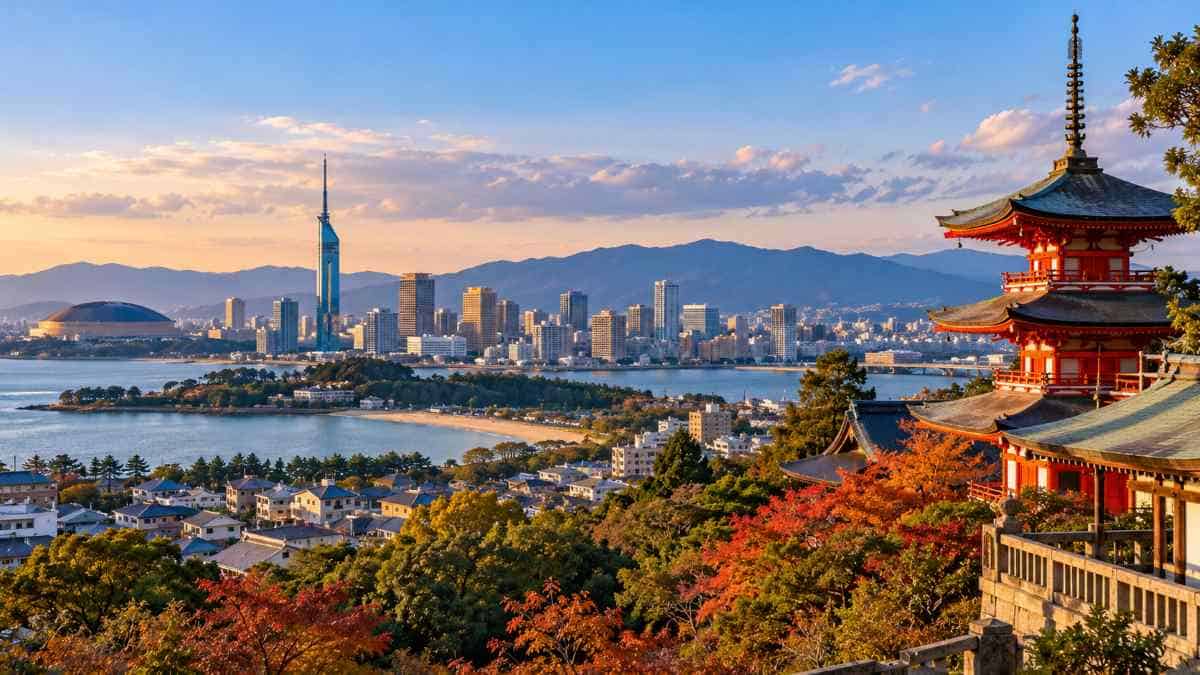
The Japanese tourism industry is increasingly focusing on regional tourism as Fukuoka plays host to the Asia New Travel Bootcamp 2026. The event will see the coming together of tourism entrepreneurs, operators, and destination representatives to discover new ways of travel. Taking place on October 6, this is the first time that the bootcamp is being held outside Okinawa. This is happening as Japan seeks to move away from traditional tourist destinations and increase tourism in regional areas. The latest tourism strategy of Japan focuses on regional attraction, digitisation and overtourism management.
Fukuoka Brings Asian Travel Innovation Together
Asia New Travel Bootcamp 2026 was held at Daimyo Conference in central Fukuoka, with a capacity of 150 participants.
The event connects tourism startups from across Asia with Japanese tourism businesses and ecosystem partners. Its 2026 programme focused particularly on wellness tourism and new ways of creating value beyond conventional inbound travel.
Five startups presented new tourism services and technologies during an Asia Tourism Pitch, while a separate local-focused session brought together practitioners from Fukuoka and Kyushu to discuss how tourism can generate benefits for destinations and residents.
Advertisement
Advertisement
The event follows earlier editions in Okinawa, where the 2025 programme attracted 206 participants from eight countries and featured 23 startups presenting to 129 tourism operators.
Japan Targets Tourism Beyond the Golden Route
Tokyo, Kyoto and Osaka remain essential destinations for international visitors, but rising visitor concentrations have created pressure on transport networks, attractions and local communities.
Advertisement
Advertisement
Japan’s national tourism policy now explicitly links stronger regional tourism with efforts to prevent and reduce overtourism. The Fifth Basic Plan for the Promotion of Tourism, covering 2026 to 2030, places greater emphasis on encouraging visitors to travel to regional areas while protecting residents’ quality of life.
The strategy includes specific targets for regional visitation and overnight stays, alongside measures addressing overtourism and tourism industry resilience.
For international travellers, the shift means Japan’s tourism map is becoming broader than the familiar Tokyo-Kyoto-Osaka itinerary.
Kyushu Offers a Different Japan Travel Experience
Kyushu is particularly well suited to this regional tourism strategy because it combines major cities with hot springs, volcanic landscapes, rural communities, coastal scenery and food traditions.
Fukuoka serves as the main gateway, with Fukuoka Airport located close to the city centre and extensive rail connections linking the city with other parts of Kyushu.
Travellers can continue towards Beppu and Yufuin for hot-spring experiences, Kumamoto for its castle and access to Mount Aso, or Nagasaki for its international history and cultural attractions.
Advertisement
Advertisement
Kagoshima adds another dimension with views of Sakurajima, while southern Kyushu provides opportunities for outdoor and wellness-focused itineraries.
Wellness Tourism Gives Regional Japan More Options
The focus on wellness at the Fukuoka bootcamp reflects a wider opportunity for regional Japanese destinations.
Hot-spring tourism is deeply established across Kyushu, with destinations such as Beppu, Yufuin and Kurokawa Onsen offering accommodation built around bathing, food and slower travel.
These destinations can provide an alternative to short city breaks by encouraging visitors to stay overnight and explore smaller communities.
The model also creates opportunities for local hotels, restaurants, transport operators, craft businesses and guides, allowing tourism spending to reach a wider network of regional businesses.
Digital Tourism Can Help Spread Visitor Demand
Japan’s tourism authorities are increasingly using digital technology to improve visitor experiences while supporting regional destinations.
Advertisement
Advertisement
The Japan Tourism Agency’s 2026 tourism DX programme includes support for digital booking and payment platforms, personalised recommendations and the use of travel data by destination management organisations.
The programme also specifically supports digital projects designed to attract visitors to regional areas, increase local spending and address overtourism.
This provides a policy framework that aligns closely with the technology-driven discussions taking place at events such as ANTB.
Digital booking platforms can make lesser-known attractions easier to discover, while real-time information can help visitors choose different travel times, routes and destinations.
Regional Rail Supports Kyushu Travel
Rail remains one of the most practical ways to explore Kyushu without relying entirely on private vehicles.
The Kyushu Shinkansen connects Fukuoka with Kumamoto and Kagoshima, while regional railways provide access to smaller cities, hot-spring towns and scenic areas.
Advertisement
Advertisement
Fukuoka’s position at the centre of the network gives international visitors an opportunity to arrive in Japan, experience a major Asian city and then continue into regional destinations without returning to the country’s main Golden Route.
Japan Tourism Looks Towards a Wider Visitor Map
Fukuoka boot camp has arrived at a very crucial period of time in the tourism industry of Japan. Expenditure from tourists visiting the country stood at ¥2.51 trillion during the second quarter of 2026 while the amount spent by each foreign visitor on average increased by 3.4% in comparison with the previous year to ¥245,000. The figures emphasize the economic importance of inbound tourism and the need for more balanced allocation of tourists to various destinations. In Kyushu, the combination of Fukuoka’s high connectivity, natural hot springs, cultural cities, and volcanoes offers an immediate solution to the congested routes found elsewhere in Japan. With Japan shifting towards digital tourism, regional content, and overtourism, Fukuoka and Kyushu will be crucial regions for testing new approaches to international tourism.
Advertisement
