

UAE Tourism Broadens Visa Access as Gulf Travel Integration Gains Pace

Published
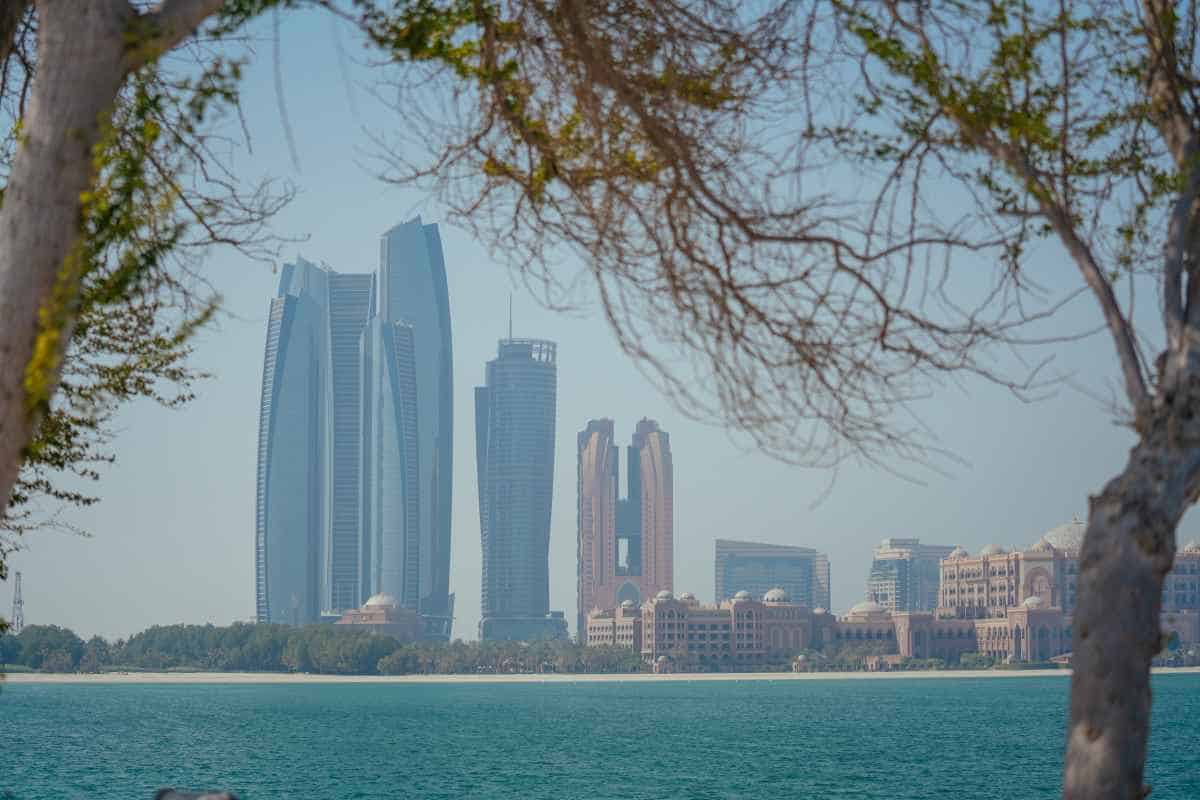
Visit Abu Dhabi
The United Arab Emirates is increasing access to its entry visa program as it seeks to provide easier access to travellers coming from a wider variety of international markets. In June 2026, the Federal Authority for Identity, Citizenship, Customs and Port Security (ICP) extended the eligible criteria for its unique entry visa program for citizens of India, Indonesia, Vietnam, Thailand, the Philippines, Kenya and South Africa with residence permits or visas issued by qualified countries. The list of qualified countries now includes the United States, European Union members, the United Kingdom, Japan, South Korea, Australia, New Zealand, Canada and Singapore. Depending on the category, the traveller will be provided either 14 days or 60 days of entry visa.
Dubai and Abu Dhabi Gain From Easier Entry
The policy is particularly relevant to the UAE’s two largest international gateways, Dubai and Abu Dhabi, where global aviation networks connect travellers with destinations across Europe, Asia, Africa and North America.
Advertisement
Advertisement
For eligible visitors, easier entry can make short UAE stays more practical. A traveller visiting family, attending a business meeting or taking a regional holiday can potentially build a Dubai or Abu Dhabi stopover into a wider itinerary rather than treating the UAE as a separate trip.
The 14-day entry visa can be extended once, while the 60-day category is issued for a single entry and is not extendable. Applicants must meet the nationality, qualifying residence and passport requirements set by the authorities.
Advertisement
Advertisement
The latest expansion also strengthens the UAE’s position among travellers from emerging source markets who already possess valid immigration credentials for major international economies.
Five-Year Tourist Visa Supports Repeat Travel
Alongside targeted entry access, the UAE continues to offer a five-year multiple-entry tourist visa designed for travellers who expect to visit the country repeatedly.
Advertisement
Advertisement
The visa operates on self-sponsorship and allows multiple entries. Visitors can generally stay for up to 90 days per visit, with an extension possible under the applicable rules, subject to the overall annual limits. The official UAE government platform says applicants need a bank balance of at least US$4,000 over the preceding six months, valid UAE health insurance and a return or onward ticket.
This is particularly useful for frequent leisure travellers, business visitors and people whose travel patterns combine holidays with regular commercial activity.
The self-sponsored structure also removes the need for a traditional local host or guarantor for this specific long-term tourist visa route, reducing one potential layer of administration.
Gulf Travel Integration Adds a Wider Dimension
The UAE’s visa changes come as Gulf countries continue working towards stronger integration of tourism, border and travel systems.
In September 2026, the GCC Committee of Directors General of Passports met in Bahrain to discuss passport-related services and ways to strengthen coordination among member states. The meeting followed earlier GCC work on a unified tourist visa project intended to make multi-country Gulf travel easier.
The direction matters for the UAE because Dubai and Abu Dhabi are already major gateways for visitors travelling across the wider Gulf.
Advertisement
Advertisement
Greater alignment between Gulf destinations could make multi-stop holidays more attractive, allowing international visitors to combine the UAE with Saudi Arabia, Bahrain, Oman, Qatar or Kuwait within a more connected regional journey.
Stopover Tourism Could Become More Valuable
For airlines, hotels, airports and tour operators, simpler entry procedures can create opportunities beyond conventional holiday demand.
A traveller flying through Dubai or Abu Dhabi may add two or three nights to an itinerary rather than making only a short connection. That can generate additional hotel nights, restaurant spending, shopping demand, attraction visits and local transport activity.
Business travel could also benefit. The UAE’s position as a commercial centre means corporate travellers often combine meetings, conferences and exhibitions with short leisure stays.
For Dubai, the opportunity extends across attractions, shopping districts, beaches and cultural sites. Abu Dhabi can add museums, waterfront experiences, major events and access to attractions such as Saadiyat Island and Yas Island.
UAE Positions Itself as a Gulf Gateway
The overall policy trend is that of making mobility the focus of the UAE’s tourism policy. In contrast to the strategy of focusing only on visa-free and visa-on-arrival countries, the country is also targeting travellers who have immigration status in other places, as well as long-term possibilities for frequent travellers. In light of the continued development of tourism connectivity among Gulf states, the UAE will stand to gain from travellers who wish to visit multiple destinations in one trip. For international tourists, the outcome may be a travel market in the Gulf region where both Dubai and Abu Dhabi serve as destinations and gateways to the rest of the Middle Eastern holiday destinations.
Advertisement
